Category: Ageing

Why Does Arthritis Flare Up in the Same Place?

Source: Miika Luotio on Unsplash

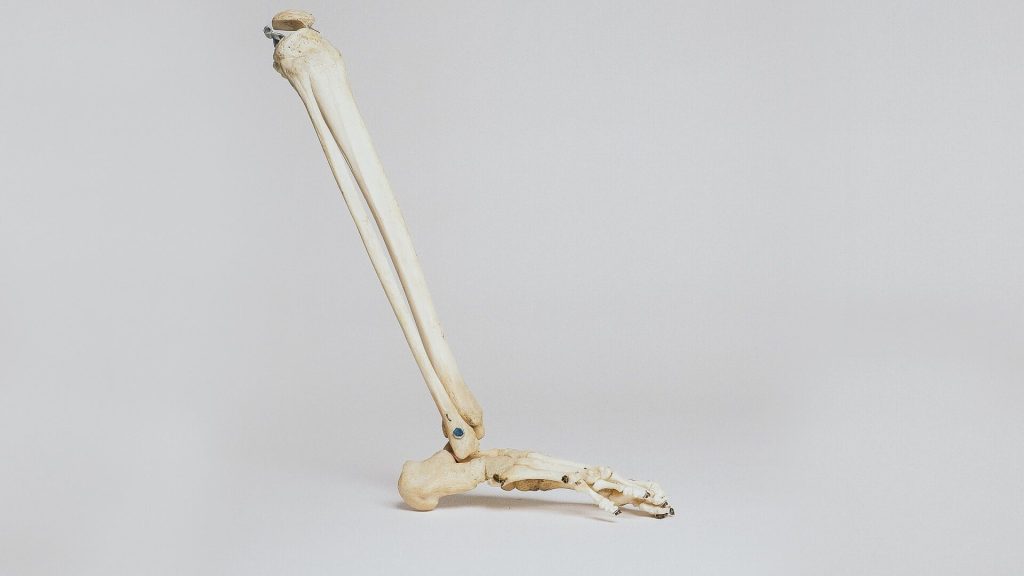
A new study has revealed why arthritis has a tendency to flare up in the same location instead of around the body.

When joints flare up in people with rheumatoid arthritis and related diseases, the joints involved are often the same as those previously affected. For example, if arthritis started in the right knee, it is much more likely to flare there than in the left knee, even if the arthritis had been in remission for years. Because of this, each patient develops a highly individual disease pattern, though why this is so has remained unclear.

“Overwhelmingly, flares occur in a previously involved joint,” said Peter Nigrovic, MD, chief of the division of immunology at Boston Children’s Hospital. “Something in that joint seems to remember, ‘this is the joint that flared before.’”

A new study, co-led by Dr Nigrovic and published in Cell Reports, shows where that memory is housed: in a type of immune cell called a tissue-resident memory T cell. Specifically, these T cells reside in the synovium, the tissue that lines the inside of the capsule surrounding the joint.
“We showed that these T cells anchor themselves in the joints and stick around indefinitely after the flare is over, waiting for another trigger,” said Dr Nigrovic. “If you delete these cells, arthritis flares stop.”

The team demonstrated this phenomenon in three separate mouse models of inflammatory arthritis. Two models used chemical triggers to cause joint inflammation, and the third had a protein knocked out that blocks the pro-inflammatory cytokine IL-1. Once activated, resident memory T cells in the joints rallied other immune cells, leading to an arthritis flares limited to specific joints. Elimination of these T cells prevented further flares from occurring.

“Right now, treatment of rheumatoid arthritis has to continue lifelong; although we can successfully suppress disease activity in many patients, there is no cure,” said Dr Nigrovic. “We think our findings may open up new therapeutic avenues.”

Dr Nigrovic also believes the findings apply to other types of autoimmune arthritis, including juvenile idiopathic arthritis.

Dermatology provided a cue for the researchers: tissue-resident memory T cells were originally found in skin, where a ‘memory’ pattern is well known to dermatologists. In psoriasis, for example, patients get recurrent plaques in the same places. The same often holds true in cutaneous hypersensitivity reactions, such as reactions to nickel in jewelry or wristwatches. “A person reacting to nickel through a belt buckle may also develop a rash on their wrist, where they wore a nickel-containing watch as a child,” observed Dr Nigrovic.

Source: EurekAlert!

Inflammatory Markers Found in Socially Isolated Older Adults

Photo by Kindel Media on Pexels

New research from the US has found that older adults who experienced social isolation had higher blood levels of interleukin-6 and C-reactive protein, two markers of inflammation that can have long-term negative impacts for the health of individuals as they age.

Social isolation is a risk factor for morbidity and mortality comparable to well-established risk factors including smoking, hypertension, and a sedentary lifestyle. The specific biological mechanisms that connect social isolation to morbidity and mortality remain unclear. 

The study, published in the Journal of the American Geriatrics Society, used data from the National Health and Aging Trends Study (NHATS), which included a nationally representative sample of 4648 Medicare beneficiaries aged 65 years and older. The researchers defined social isolation with a multi-domained typology that considers living arrangement, core discussion network, religious attendance, and social participation
The authors noted that clinical and social interventions that address social isolation among older adults may influence biological processes such as inflammation, as well as their potentially negative effects.

Credit: JAGS

“Our findings demonstrate an important association between social isolation and biological processes. This work is a step in the journey to disentangle the mechanisms by which social isolation leads to higher levels of morbidity and mortality,” said lead author Thomas K.M. Cudjoe, MD, MPH, of Johns Hopkins School of Medicine. “My hope is that investigators incorporate objective measures of social isolation and biological markers in future longitudinal studies so that we might continue to advance our understanding of these complex biopsychosocial interactions.”

Source: Wiley

A New Mechanism Explains Hair Loss in Men and Women

Bald man
Photo by Brett Sayles on Pexels

Studies of balding male mice have uncovered a possible cause of hair loss in men and women as well. The findings, published in Nature Aging, provide new insight into how hair and tissues age.

The study shows as hair stem cells age, they lose the adhesion that keeps them lodged inside the hair follicle. As their adhesiveness wanes, the stem cells escape from their location, called the bulge, into the dermis. Once outside their delicate microenvironment, they generally can’t survive.

“The result is fewer and fewer stem cells in the hair follicle to produce hair,” said lead author Rui Yi, the Paul E. Steiner Research Professor of Pathology at Northwestern University Feinberg School of Medicine. “This results in thinning hair and ultimately baldness during ageing.”

This finding could be applicable to older men and women with thinning hair as mice and humans share hair and stem cell similarities, Prof Yi said.

By labelling individual stem cells with a fluorescent marker, the researchers were able, for the first time, to track hair follicle ageing in real time in live animals. Scientists also discovered two key genes responsible for enhancing adhesiveness of the stem cells. They are now trying to reinstate these genes to see if that will reverse hair loss.

During follicles’ normal cycles of life and death, a large number of stem cells remain permanently lodged in the stem cell compartment of hair follicles to keep producing hair follicle cells.

“We believe this stem cell escape mechanism has never been reported before, because nobody could track the aging process in live animals,” Yi said.

Though scientists knew hair follicles become miniaturised during aging, how it happened was unclear. Many thought it was due to cell death or the inability of cells to divide as they age.

“We discovered, at least in part, it is due to hair follicle stem cells migrating away from their niche,” Prof Yi said. “Cell death also occurs during our observation. So, our discovery doesn’t dispute existing theories but provides a new mechanism.”

Source: Northwestern University

Older Patients with Advanced Lung Cancer Suffer Reduced Mobility

Source: Miika Luotio on Unsplash

New research found that older patients with non-small cell lung cancer often have low life-space mobility prior to starting lung cancer treatment. Life-space mobility is the ability to move within one’s environment from the home to the wider community. The findings were published in the Journal of the American Geriatrics Society.

The study recruited 93 patients aged 65 to 94 with advanced NSCLC starting palliative chemotherapy, immunotherapy, and/or targeted therapy from a Comprehensive Cancer Center, Veterans Affairs, and safety-net clinic. Patients completed geriatric assessments including Life-Space Assessment (LSA) pretreatment and at 1, 2, 4, and 6 months after treatment initiation. 

The Life-Space Assessment scores had a range of 0 to 120, with a score under 60 being considered restricted. The researchers found that the average pretreatment score was 67. On average, the score fell by 10 points from pretreatment to one month after treatment started and remained low at six months.  

The decline at one month was greater among patients with high anxiety. On the other hand, a lower body mass index prior to starting treatment was associated with an improvement in the score during treatment.  

“Life-space mobility is a well-studied patient-centered outcome in general aging research but is only now being examined for older adults with cancer,” said lead author Melisa L. Wong, MD, MAS, of the University of California, San Francisco. “Our study’s novel design provided a unique lens into how quantitative changes in life-space mobility are experienced qualitatively by older adults with lung cancer.”

Source: Wiley

Human Cells Resist Mutations Without Ageing Impacts

Source: Pixabay

Researchers have found that human cells and tissues cells tolerate many more mutations than previously thought, without impacting their function or showing the features associated with ageing.

To understand the impact of defective DNA replication on cancer risk and features associated with ageing, researchers compared DNA taken from individuals with inherited mutations in genes involved in DNA replication with DNA from individuals with normal versions of these genes. The results, published in Nature Genetics,  suggest that build-up of mutations in normal cells is unlikely to be the only factor in the development of age-related disease, adding to the ongoing debate about the causes of ageing.

One model of ageing suggests that accumulation of mutations in the DNA of healthy cells results in the changes that we see as the body grows older. This model is based on the observation that mutations accumulate in normal cells throughout life, theorising that the older people having more mutations compared to younger people results in impaired function of genes and disturbs cell function, ultimately leading to diseases of old age and the visible features typically associated with ageing.

However, this new research shows that human cells and tissues can function apparently normally with many more mutations than are usually present, suggesting that ageing may not solely be due to buildup of such mutations.

DNA replication is required to duplicate the DNA in a cell ready for cell division. It involves creating an entire error-free copy of the human genome from the existing strand, and is undertaken with very high accuracy in normal healthy cells by proteins called DNA polymerases. When the DNA polymerases have a mutation, causing them to be faulty, it leads to more DNA errors, or small mutations, accumulating with each and every cell replication.

In this study, researchers applied new techniques to sequence the DNA of normal cells and tissues from patients who have inherited mutated versions of the DNA polymerase genes, POLE and POLD1.

By comparing tissue samples with unaffected individuals, they found that normal tissues from those who had a faulty DNA polymerase had elevated mutation rates. These study participants did not, however, show features of early onset ageing or age-related diseases despite having accumulated numbers of mutations that would have made them hundreds of years old in terms of their ‘mutational age’. Therefore, other than an increased risk of certain cancers, the research shows that cells can accumulate many mutations and not show features associated with ageing, challenging the current model.

Further research is therefore needed to understand the biological processes underlying ageing.

Source: Wellcome Trust Sanger Institute

A ‘Fountain of Youth’ for Bone Marrow Stem Cells

Source: National Cancer Institute on Unsplash

Scientists have shown that reduced bone marrow stem cell function with ageing is due to changes in their epigenome, and they were able to reverse these changes in isolated stem cells by adding acetate. This ‘fountain of youth’ for the epigenome could become important for the treatment of diseases such as osteoporosis.

One responsible mechanism for age-related osteoporosis and fracture risk involves the impaired function of the bone-marrow stem cells, which are required for the maintenance of bone integrity. 

For a long time, researchers have looked at epigenetics as a cause of ageing. Epigenetics looks at changes that affect the activity of genes. One of these is changes in proteins called histones, which package and thus control access to DNA. In this study, the researchers investigated the epigenome of mesenchymal stem cells, which are found in bone marrow and can give rise to different types of cells such as cartilage, bone and fat cells.

“We wanted to know why these stem cells produce less material for the development and maintenance of bones as we age, causing more and more fat to accumulate in the bone marrow. To do this, we compared the epigenome of stem cells from young and old mice,” explained Andromachi Pouikli, first author of the study. “We could see that the epigenome changes significantly with age. Genes that are important for bone production are particularly affected.”

The researchers then sought to find out if it was possible to rejuvenate the epigenome of stem cells. To do this, they treated isolated stem cells from mouse bone marrow with a nutrient solution which contained sodium acetate. The cell converts the acetate into a building block that enzymes can attach to histones to increase access to genes, thereby boosting their activity. “This treatment impressively caused the epigenome to rejuvenate, improving stem cell activity and leading to higher production of bone cells,” Pouikli said.

To see if this change could also be responsible for increased fracture risk and osteoporosis with age, the researchers studied human mesenchymal stem cells from hip surgery patients. In elderly patients with osteoporosis, the same epigenetic changes seen with mice were also seen in these human cells.

“Sodium acetate is also available as a food additive, however, it is not advisable to use it in this form against osteoporosis, as our observed effect is very specific to certain cells,” cautioned study leader Peter Tessarz. “However, there are already first experiences with stem cell therapies for osteoporosis. Such a treatment with acetate could also work in such a case. However, we still need to investigate in more detail the effects on the whole organism in order to exclude possible risks and side effects.”

The results were published in the journal Nature Aging.

Source: Max Planck Society

Traitorous Immune Cells Explain Why the Elderly Feel the Cold

Photo by Adam Birkett on Unsplash

In a new study, Yale researchers found that the immune cells within fat that are designed to burn calories to protect us from cold temperatures start to turn against us as we age, making the elderly more vulnerable to the cold.

The study, published in Cell Metabolism, found that the fat tissue of older mice loses the immune cell group 2 innate lymphoid cells (ILC2) which restore body heat in cold temperatures. However, trying to stimulate production of new ILC2 cells in aging mice actually makes them more prone to cold-induced death, showing how difficult it is to solve aging-related problems.

“What is good for you when you are young, can become detrimental to you as you age,” said Vishwa Deep Dixit, the Waldemar Von Zedtwitz Professor of Comparative Medicine and of Immunobiology and co-corresponding author of the study.

Prof Dixit and former colleague Emily Goldberg, now an assistant professor at UCSF, were curious about why there are immune cells in fat tissue, as they are usually concentrated in pathogen-exposed areas like nasal passages, lungs, and skin. When they sequenced genes from cells of old and young mice they found that older animals lacked ILC2 cells, a deficit which limited their ability to burn fat in cold conditions.

When they introduced a molecule that boosts the production of ILC2 in aging mice, the immune system cells were restored but the mice were surprisingly even less tolerant of cold temperatures.

“The simple assumption is that if we restore something that is lost, then we are also going to restore life back to normal,” Dixit said. “But that is not what happened. Instead of expanding healthy cells of youth, the growth factor ended up multiplying the bad ILC2 cells that remained in fat of old mice.”

However, when ILC2 cells were taken from younger mice and transplanted into older mice, the older animals’ cold tolerance was restored.

“Immune cells play a role beyond just pathogen defense and help maintain normal metabolic functions of life,” Dixit said. “With age, the immune system has already changed and we need to be careful how we manipulate it to restore the health of the elderly.”

Source: SciTech Daily

Screening for AF in the Elderly Using Thumb ECGs Reduces Stroke Risk

Screening for atrial fibrillation in 75- and 76-year-olds using thumb ECGS could reduce the risk of stroke, severe bleeding and death, according to a large-scale Swedish study.

Atrial fibrillation (AF) is associated with a five-fold increased risk of stroke, and the symptoms are often deleterious since large blood clots can form in the heart, breaking free and posing a stroke risk. Still, countries do not screen the general population for atrial fibrillation, but rather treat those patients who are discovered during routine care. This study by the Karolinska Institutet in Sweden and published in The Lancet, investigated the effectiveness of screening for AF.

“There has never really been a study that examines if it would be beneficial to screen for atrial fibrillation, which is why we wanted to investigate it,” said Emma Svennberg, cardiologist at the Karolinska University Hospital, Huddinge, and researcher at the Department of Medicine, Huddinge, Karolinska Institutet.

The study included almost 28 000 participants aged 75 or 76, randomised to be invited either to screening or to a control group, who received standard care. Of those invited to screening, more than half choose to participate. They completed a health questionnaire and performed a so-called thumb ECG (electrocardiogram), which involves placing one’s thumbs on an ECG device that measures the heart’s electrical activity.

Those without atrial fibrillation were asked to record their heart rhythm twice daily for two weeks using the ECG device which they took home. If the device registered irregular heart rhythms, the participants were referred to a cardiologist for a standardised work-up and, if there were no contra-indications, initiation of oral anticoagulant therapy.

The study’s 28 000 participants were then followed for at least five years. More detections of atrial fibrillation were recorded in the screening group, which also had a slightly lower incidence of death, stroke and severe bleeding than the control group.

“In total, 31.9 percent of those in the screening group experienced a negative event compared to 33 percent in the control group,” said Johan Engdahl, adjunct lecturer at the Department of Clinical Sciences, Danderyds Hospital, at Karolinska Institutet. “Now, that may sound like a small difference, but you must bear in mind that only about half of those invited to screening participated and it’s possible we would have seen a more pronounced difference had more people turned up for screening. Those who participated in the screening had significantly fewer negative events.”

Based on the findings, the researchers estimated that at least 2300 cases of stroke or death could be avoided per year in Sweden if a national screening of atrial fibrillation in the elderly was introduced.

Source: Karolinska Institute

Parental Smoking Linked to Children’s Later Arthritis

Photo by Pawel Czerwinski on Unsplash

In a new study, parental smoking was linked to an elevated risk of children developing rheumatoid arthritis when they reach adulthood.

Drawing on data for 90 923 participants in the Nurses’ Health Study II (which included female registered nurses aged 25–42 years in 1989), the researchers found that 532 developed rheumatoid arthritis during a median follow-up of 27.7 years. Parental smoking when the participants were children was associated with a 75% higher risk of developing rheumatoid arthritis, even after controlling for personal smoking when the participants were adults. Among participants who went on to smoke as adults, this risk was even greater.

“These results suggest that early life inhalant exposures such as passive smoking may predispose individuals to develop rheumatoid arthritis later in life,” said senior author Jeffrey A. Sparks, MD, MMSc, of Brigham and Women’s Hospital.

“We used advanced statistical methods that allowed us to decipher the potential direct harm of early-life passive smoking experience on rheumatoid arthritis risk, while also taking into account factors occurring throughout adulthood,” added lead author Kazuki Yoshida, MD, ScD.

The study findings were published in Arthritis & Rheumatology.

Source: Wiley

Metabolism Through Life Varies in Unexpected Ways

Photo by Johnny Cohen on Unsplash

A new study published in Science suggests that falls in metabolism occur much later in life, with a peak at a much younger age than anticipated.

“There are lots of physiological changes that come with growing up and getting older,” said study co-author Herman Pontzer, associate professor of evolutionary anthropology at Duke University. “Think puberty, menopause, other phases of life. What’s weird is that the timing of our ‘metabolic life stages’ doesn’t seem to match those typical milestones.”

Together with an international team of scientists, Prof Pontzer analysed the average energy expenditure of more than 6,600 people ranging from one week old to age 95 as they went about their daily lives in 29 countries.

Previously, most large-scale studies measured how much energy the body uses to perform basic vital functions. But that amounts to only 50% to 70% of the calories we burn each day. It doesn’t take into account the energy we spend doing everything else.

To come up with a number for total daily energy expenditure, the researchers relied on the “doubly labeled water” method, a urine test that involves having a person drink water with isotopes of hydrogen and oxygen and measuring how quickly these were flushed. This gold standard technique for measuring energy expenditure in humans outside the lab since the 1980s, but studies have been limited in size and scope due to cost. To overcome this, multiple labs pooled their data.

The research into energy expenditures revealed some surprises: compared to body weight, infants had the highest metabolic rates of all, rather than people in their teens or 20s as might be expected.

Energy needs shoot up during the first 12 months of life, and by their first birthday, a one-year-old burns calories 50% faster for their body size than an adult.

This comes from more than just tripling their birth weight in the first year. “Of course they’re growing, but even once you control for that, their energy expenditures are rocketing up higher than you’d expect for their body size and composition,” said Pontzer, author of the book, “Burn,” on the science of metabolism. “Something is happening inside a baby’s cells to make them more active, and we don’t know what those processes are yet,” Pontzer said.

After this initial surge in infancy, the data show that metabolism slows by about 3% each year until we reach our 20s, when it stabilises.

Teenagers, despite their growth spurt, did not result in an uptick in energy intake once weight was accounted for. “We really thought puberty would be different and it’s not,” Pontzer said.

Midlife was another surprise, with a thickening waistline from the 30s often ascribed to a changing metabolism, but the results show other factors are responsible.

In fact, the researchers discovered that energy expenditures from the 20s to 50s were the most stable. Even during pregnancy, a woman’s calorie needs were no more or less than expected given her added bulk as the baby grows. Metabolism only declines after age 60, and only by 0.7% a year. A person in their 90s needs 26% fewer calories than one in midlife.

Lost muscle mass explains part but not all of the picture. “We controlled for muscle mass,” Pontzer said. “It’s because their cells are slowing down.”

The patterns held even when differing activity levels were taken into account.

Energy expenditure changes have been difficult to analyse because so much else is going on, Prof Pontzer said. But the research supports the idea that it’s more than age-related changes in lifestyle or body composition.

“All of this points to the conclusion that tissue metabolism, the work that the cells are doing, is changing over the course of the lifespan in ways we haven’t fully appreciated before,” Prof Pontzer said. “You really need a big data set like this to get at those questions.”

Source: Duke University