Year: 2026

Ibuprofen: How an Everyday Drug Might Offer Protection Against Cancer

Photo by Towfiqu barbhuiya: https://www.pexels.com/photo/bottle-with-pills-11361813/

Dipa Kamdar, Kingston University; Ahmed Elbediwy, Kingston University, and Nadine Wehida, Kingston University

Ibuprofen is a household name – the go-to remedy for everything from headaches to period pain. But recent research suggests this everyday drug might be doing more than easing discomfort. It could also have anti-cancer properties.

As scientists uncover more about the links between inflammation and cancer, ibuprofen’s role is coming under the spotlight – raising intriguing questions about how something so familiar might offer unexpected protection.

Ibuprofen belongs to the non-steroidal anti-inflammatory drugs (NSAIDs) family. The connection between NSAIDs and cancer prevention isn’t new: as far back as 1983, clinical evidence linked sulindac – an older prescription NSAID similar to ibuprofen – to a reduced incidence of colon cancer in certain patients. Since then, researchers have been investigating whether these drugs could help prevent or slow other cancers too.

NSAIDs work by blocking enzymes called cyclooxygenases (COX). There are two main types. COX-1 helps protect the stomach lining, maintains kidney function, and plays a role in blood clotting. COX-2, on the other hand, drives inflammation.

Most NSAIDs, including ibuprofen, inhibit both, which is why doctors recommend taking them with food rather than on an empty stomach.

Ibuprofen and endometrial cancer

A 2025 study found that ibuprofen may lower the risk of endometrial cancer, the most common type of womb cancer, which starts in the lining of the uterus (the endometrium) and mainly affects women after menopause.

One of the biggest preventable risk factors for endometrial cancer is being overweight or obese, since excess body fat increases levels of oestrogen – a hormone that can stimulate cancer cell growth.

Other risk factors include older age, hormone replacement therapy (particularly oestrogen-only HRT), diabetes, and polycystic ovary syndrome. Early onset of menstruation, late menopause, or not having children also increase risk. Symptoms can include abnormal vaginal bleeding, pelvic pain, and discomfort during sex.

In the Prostate, Lung, Colorectal, and Ovarian (PLCO) study, data from more than 42,000 women aged 55–74 was analysed over 12 years. Those who reported taking at least 30 ibuprofen tablets per month had a 25% lower risk of developing endometrial cancer than those taking fewer than four tablets monthly. The protective effect appeared strongest among women with heart disease.

Interestingly, aspirin – another common NSAID – did not show the same association with reduced risk in this or other studies. That said, aspirin may help prevent bowel cancer returning.

Other NSAIDs, such as naproxen, have been studied for preventing colon, bladder, and breast cancers. The effectiveness of these drugs seems to depend on cancer type, genetics, and underlying health conditions.

Ibuprofen’s broader potential

Ibuprofen’s possible cancer-protective effects extend beyond endometrial cancer. Studies suggest it may also reduce risk of bowel, breast, lung, and prostate cancers.

For example, people who previously had bowel cancer and took ibuprofen were less likely to experience recurrence. It has also been shown to inhibit colon cancer growth and survival, and some evidence even suggests a protective effect against lung cancer in smokers.

Inflammation is a hallmark of cancer and ibuprofen is, at its core, anti-inflammatory. By blocking COX-2 enzyme activity, the drug reduces production of prostaglandins, chemical messengers that drive inflammation and cell growth – including cancer cell growth. Lower prostaglandin levels may slow or stop tumour development.

But that’s only part of the story. Ibuprofen also appears to influence cancer-related genes such as HIF-1α, NFκB, and STAT3, which help tumour cells survive in low-oxygen conditions and resist treatment.

Ibuprofen seems to reduce the activity of these genes, making cancer cells more vulnerable. It can also alter how DNA is packaged within cells, potentially making cancer cells more sensitive to chemotherapy.

A word of caution

But not all research points in the same direction. A study involving 7,751 patients found that taking aspirin after an endometrial cancer diagnosis was linked to higher mortality, particularly among those who had used aspirin before diagnosis. Other NSAIDs also appeared to increase cancer-related death risk.

Conversely, a recent review found that NSAIDs, especially aspirin, may reduce the risk of several cancers – though regular use of other NSAIDs could raise the risk of kidney cancer. These conflicting results show how complex the interaction between inflammation, immunity, and cancer really is.

Despite the promise, experts warn against self-medicating with ibuprofen for cancer prevention. Long-term or high-dose NSAID use can cause serious side effects such as stomach ulcers, gut bleeding, and kidney damage.

Less commonly, they may trigger heart problems like heart attacks or strokes. NSAIDs also interact with several medications, including warfarin and certain antidepressants, increasing the risk of bleeding and other complications.

The idea that a humble painkiller could help prevent cancer is both exciting and provocative. If future studies confirm these findings, ibuprofen might one day form part of a broader strategy for reducing cancer risk, especially in high-risk groups.

For now, experts agree it’s wiser to focus on lifestyle-based prevention: eating anti-inflammatory foods, maintaining a healthy weight and staying physically active.

Everyday medicines may yet hold surprising promise, but until the science is settled, the safest prescription for cancer prevention remains the oldest one: eat well, move often, and listen to your doctor before reaching for the pill bottle.

Dipa Kamdar, Senior Lecturer in Pharmacy Practice, Kingston University; Ahmed Elbediwy, Senior Lecturer in Cancer Biology & Clinical Biochemistry, Kingston University, and Nadine Wehida, Senior Lecturer in Genetics and Molecular Biology, Kingston University

This article is republished from The Conversation under a Creative Commons license. Read the original article.

Second Pregnancy Uniquely Alters Women’s Brains

Photo by Anna Hecker on Unsplash

A second pregnancy changes women’s brains in the same way as a first pregnancy, but in a different way than the first time. This is according to researchers from Amsterdam UMC, published in the scientific journal Nature Communications. The findings of Elseline Hoekzema and her colleagues show that a second pregnancy uniquely changes a woman’s brain, entailing both convergent and distinct neural transformations.

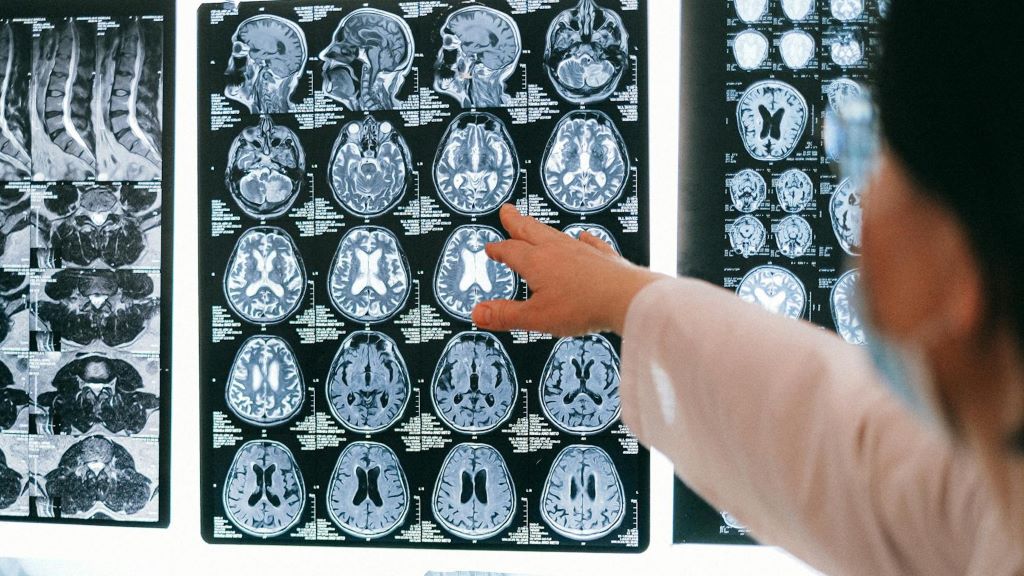
An earlier study by Elseline Hoekzema was the first to demonstrate that pregnancy changes the structure of the human brain. The research group also demonstrated that pregnancy changes the functioning of the brain. For the follow-up study, the results of which have now been published, 110 women were monitored: some were becoming mothers for the first time, others were having their second child, and a third group remained childless. Brain scans before and after pregnancy showed what changes occurred in the brain. “We have shown for the first time that the brain not only adapts during the first pregnancy, but also during the second,” says Hoekzema, head of the Pregnancy Brain Lab at Amsterdam UMC.

Different brain networks

The biggest changes during a first pregnancy occurred in the structure and activity of the so-called Default Mode Network. This part of the brain is important for many functions, including self-reflection and social processes. During a second pregnancy, this network changed again, but less dramatically. However, during a second pregnancy, there were more changes in brain networks related to paying attention and responding to stimuli. “It seems that during a second pregnancy, the brain changes more significantly in networks involved in responding to sensory stimuli and directing your attention,” explains researcher Milou Straathof, who analyzed the data. “These processes can be beneficial when caring for multiple children.”

Mental health of mothers

The researchers also found a connection between the changes in the brain and the bond between mother and child. This link was more prominent in the first pregnancy than during the second pregnancy. In addition, the researchers observed links between structural brain changes and peripartum depression, both during a first and a second pregnancy. This provides the first evidence that the changes that occur in a woman’s cerebral cortex during pregnancy are related to depression. In women who became mothers for the first time, this was particularly noticeable after giving birth. In women who had their second child, this was the case during pregnancy. “This knowledge can help us to better recognize and understand mental health issues in mothers. We must understand how the brain adapts to motherhood.”

The importance of research into the maternal brain

This study provides new insights into how the female brain adapts to motherhood and contributes to closing this important knowledge gap about female biology. Hoekzema: “The majority of women become pregnant one or more times in their lives, but only now are researchers beginning to unravel how this affects the female brain.” The results may also contribute to better care for mothers, for example, in the prevention and treatment of postpartum depression. The study also shows that the brain is flexible and can continually adapt to major changes in life.

Read the publication in Nature CommunicationsThe effects of a second pregnancy on women’s brain structure and function

Source: University of Amsterdam Medical Centers

Ketamine is Giving More Young People Bladder Problems – An Expert Explains

A growing number of people in the UK are using ketamine recreationally. Photo by Colin Davis on Unsplash

Heba Ghazal, Kingston University

Urology departments in England and Wales have reported seeing an increase in the number of 16- to 24-year-olds being admitted for bladder inflammation associated with ketamine use.

This appears to coincide with an increase in ketamine use – with the number of adults and teens entering treatment for ketamine abuse last year jumping substantially compared to even just a few years previously.

Ketamine abuse can have many affects on the bladder, causing frequent urination, night-time urination, sudden urges, leakage, inflammation, pain in the bladder or lower back and blood in the urine. These symptoms can be severe, make daily life very difficult and may even be permanent in some cases.

Ketamine was first approved in 1970 for human use as an anaesthetic. More recently, studies have suggested that ketamine used at low doses may have antidepressant effects.

But a growing number of people are now using ketamine recreationally. It acts as a dissociative drug, causing users to feel detached from themselves and their surroundings. It can produce hallucinogenic, stimulant and pain-relieving effects, which last one to two hours.

Users typically snort or smoke powdered ketamine, or inject liquid ketamine or mix it into drinks in order to experience the drug’s effects. Snorting usually produces stronger effects and more noticeable symptoms than swallowing it.

Ketamine users can develop tolerance to the drug quickly, needing higher doses to get the same effects. This is probably due to the body and brain adapting to become more efficient at breaking down the drug. Frequent users often need to take twice the amount of occasional users to get the same effect.

Bladder damage

Frequent, high-dose ketamine use can cause serious damage to the bladder, urinary tract and kidneys. In severe cases, the bladder may need to be removed.

The first recorded cases of ketamine affecting the bladder were reported in Canada in 2007, where nine people who used ketamine recreationally had severe bladder problems and blood in their urine. Later, a bigger study in Hong Kong found the same issues in 59 people who had used ketamine for more than three months.

Ketamine, as with any other drug, is metabolised in the body where it’s broken down and excreted in urine.

When ketamine is broken down, it turns into chemicals that can seriously harm the bladder. When these by-products stay in contact with the urinary tract for a long time, they irritate and damage the tissue.

The bladder is damaged first, because it holds urine the longest. Later, the ureters (tubes connecting the kidney to the bladder) and the kidneys can also be affected.

Over time, the bladder can shrink and become stiff, causing strong urinary symptoms. The ureters can become narrow and bent, sometimes described as looking like a “walking stick.” This can lead to backed-up urine in the kidneys (hydronephrosis).

Ketamine also increases oxidative stress, which damages cells and causes bladder cells to die. This breaks the protective bladder lining, making it leaky and overly sensitive.

All these changes can make the bladder overactive, extremely sensitive and painful, often causing severe urges to urinate and incontinence.

Bladder damage from ketamine use happens in stages.

In the first stage, the bladder becomes inflamed. This can often be reversed by stopping ketamine and taking certain medication – such as anti-inflammatory drugs, pain relievers or prescription drugs that reduce bladder urgency and help the bladder lining heal.

In the second stage, the bladder can shrink or become stiff. In this stage, treatment is similar to stage one, but a bladder wash may also be required. This is where a catheter is used to put liquid medication directly into the bladder. The drug coats the bladder’s inner lining, helping to restore its protective layer and reduce inflammation.

Botulinum toxin injections may also be used to relax the bladder and reduce pain and urgency. Stopping ketamine remains essential to prevent further damage.

In the final stage, permanent damage occurs to the bladder and kidneys. Over time, if the kidneys are affected, it can lead to kidney failure. Dialysis (a treatment where waste products and excess fluid are filtered from the blood) or even surgery may be required to repair kidney function and the urinary system.

Although ketamine has been a class B drug since 2014, it’s unfortunately affordable and accessible – costing as little as £3 per gram in some parts of the UK. Raising awareness about the risks of ketamine use is essential to prevent these serious health problems.

Heba Ghazal, Senior Lecturer, Pharmacy, Kingston University

This article is republished from The Conversation under a Creative Commons license. Read the original article.

Three-quarters not Meeting Recommended Intakes of Omega-3, Study Shows

More than three-quarters of the global population are not getting enough omega-3, according to new research

Photo by Aleksander Saks on Unsplash

A review by the University of Southampton found that 76% of people worldwide are not meeting recommended intakes of the omega-3s EPA and DHA. The peer-reviewed paper, published in Nutrition Research Reviews, was a collaboration with scientists at the University of East Anglia and Holland & Barrett.

It is the first global review of national and international omega-3 intake recommendations across all life stages for generally healthy people.

Professor of Nutritional Immunology Philip Calder from Southampton, who was part of the study, said: “The omega-3s EPA and DHA are essential for health throughout the life course. But to benefit from these nutrients, people first need to understand how much they should be consuming.

“In this review, we brought together all the recommendations for EPA and DHA intake in healthy populations from authorities around the world to help answer the important question: ‘how much do I need?’ What is clear is that most people are not meeting these recommendations.”

Omega-3 consumption supports a healthy lifestyle throughout all stages of life.

The new review found that the most frequently recommended intake for adults is 250mg per day of combined EPA and DHA, with an additional 100–200mg of DHA advised for pregnant women.

Prof Calder said these targets can be achieved by eating more oily fish, such as salmon, sardines or mackerel, or through supplementation where needed.

The paper also identified challenges that different populations have in achieving current omega-3 recommendations.

These include difficulties in meeting oily fish recommendations due to low seafood consumption, or sustainability concerns, as well as some populations having limited access to supplementation advice.

Dr Abbie Cawood , Science Director at Holland & Barrett and Visiting Research Fellow at the University of Southampton, led the study.

She said: “Omega-3s play such a vital role in health, ensuring people can meet their needs either through diet or with the support of supplementation is essential at every life stage.

In fact, our review highlights that supplementation is often required to meet recommended intakes especially in pregnancy and in those with low fish intakes. We are hopeful that this publication can act as an enabler to inform omega-3 dietary guidelines and shape future nutrition policy and public health strategies.”

The full paper can be viewed at pubmed.ncbi.nlm.nih.gov/41277237 .

Source: University of Southampton

Poor Sleep may Drive up Teens’ Screen Time

Photo by Steinar Engeland on Unsplash

New research in Brain & Behavior found a link between screen time and adolescents’ sleep quality and beliefs about healthy lifestyles.

In the study of 700 teens attending 2 high schools in the Black Sea region of Turkey, questionnaire responses revealed that participants who spent more time exposed to screens tended to have lower sleep quality. These adolescents were also less likely to have beliefs supporting the importance of maintaining a healthy lifestyle.

Screen exposure appeared to play a mediating role in the relationship between sleep quality and healthy lifestyle beliefs, meaning that poor sleep quality may lead to more screen time, which in turn can negatively affect beliefs about healthy lifestyles.

“It is recommended to promote interventions aimed at reducing screen exposure, increasing social interaction, and developing alternative activities among adolescents,” the authors wrote. “Implementing these recommendations may help adolescents adopt healthier lifestyles, regulate their sleep quality, and reduce their screen exposure.”

Source: Wiley

Comprehensive ADHD Study Confirms the Best Treatment Options

Photo by Vitaly Gariev on Unsplash

The most comprehensive review to date of ADHD treatments has found that medication for children and adults, and cognitive behavioural therapy for adults, remain the most effective approaches, backed by the strongest short-term trial evidence.

Researchers led by the Université Paris Nanterre (France), Institut Robert-Debré du Cerveau de l’Enfant (France), and the University of Southampton (UK) analysed over 200 meta-analyses covering different treatment types, participant groups, and clinical outcomes in a study published 27 November 2025 in The BMJ.

The research was funded by public and peer-reviewed research grants from Agence Nationale de la Recherche (France), France 2030 program (France), and National Institute for Health and Care Research (UK).

To help people with attention deficit hyperactivity disorder (ADHD) and their clinicians make more informed, shared decisions, the team has created an interactive website that clearly presents the findings and the evidence behind each treatment based on the review (ebiadhd-database.org).

“We know that people with ADHD and their families are often overwhelmed by conflicting messages about which treatments work,” says Professor Samuele Cortese , an NIHR Research Professor at the University of Southampton and senior lead author on the paper.

“We believe this study and the accompanying website provide the most authoritative, evidence-based, and accessible guidance currently available.

“The Evidence-Based Interventions for ADHD website provides freely available, evidence-based, and continuously updated information in an easy-to-understand way. To the best of our knowledge, this is the first platform in the world to do so based on such a rigorous synthesis of the available evidence.”

Overall, five medications in children and adolescents, and two medications and cognitive behavioural therapy (CBT) in adults were shown to be effective while supported by a relatively robust evidence base. Critically, all this evidence was limited to the short-term, despite long-term treatment being common in clinical practice.

Treatments like acupuncture, mindfulness and exercise showed promise, but the evidence supporting their use was of a low quality due to small numbers of participants and risk of bias. The limitations applied to studies evaluating cognitive behavioural therapy in children and adolescents, as well as research on the long-term effects of mindfulness in adults, although mindfulness was the only intervention to demonstrate large beneficial effects at extended follow-up.

Dr Corentin Gosling, Associate Professor at the Paris Nanterre University and first lead author of the study, says: “Long waiting lists for mental health services are a major issue. Having incorrect information about treatments can make people’s journeys even more difficult, by wasting time and money on non-evidence-based approaches, for example.

“By contrast, taking the time to review all treatment options within a shared decision-making process using the web app we developed can empower people with ADHD, leading to better treatment adherence, improved outcomes, and an overall better patient experience.”

The findings generally complement current international clinical guidelines, not only by providing convenient access to current high-quality evidence, but also by covering interventions not usually mentioned in clinical guidelines.

The team hope this new project will achieve a similar impact in influencing clinical guidelines and practice as their previous project (ebiact-database.com), which looked at treatments for autism.

Benefits and harms of ADHD interventions: umbrella review and platform for shared decision making is published in The BMJ and is available online.

Source: University of Southampton

An Oxygen-delivering Gel to Heal Chronic Wounds

New oxygen-delivering technology can prevent amputations

Photo by Photomix Company on Pexels

As ageing populations and rising diabetes rates drive an increase in chronic wounds, more patients face the risk of amputations. UC Riverside researchers have developed an oxygen-delivering gel capable of healing injuries that might otherwise progress to limb loss. 

Injuries that fail to heal for more than a month are considered chronic wounds. They affect an estimated 12 million people annually worldwide, and around 4.5 million in the U.S. Of these, about one in five patients will ultimately require a life-altering amputation.

The new gel, tested in animal models, targets what researchers believe is a root cause of many chronic wounds: a lack of oxygen in the deepest layers of the damaged tissue. Without sufficient oxygen, wounds languish in a prolonged state of inflammation, allowing bacteria to flourish and tissue to deteriorate rather than regenerate. 

“Chronic wounds don’t heal by themselves,” said Iman Noshadi, UCR associate professor of bioengineering who led the research team. “There are four stages to healing chronic wounds: inflammation, vascularisation where tissue starts making blood vessels, remodelling, and regeneration or healing. In any of these stages, lack of a stable, consistent oxygen supply is a big problem,” he said. 

When oxygen from the air or bloodstream cannot penetrate far enough into injured tissue the result is hypoxia, which derails normal healing. The researchers’ approach to preventing hypoxia with a gel is detailed in a paper published in Nature Communications Materials

The soft, flexible gel contains water as well as a choline-based liquid that is antibacterial, nontoxic, and biocompatible. When paired with a small battery similar to those used in hearing aids, the gel becomes a tiny electrochemical machine splitting water molecules to generate a slow, steady stream of oxygen. 

Unlike treatments that deliver oxygen only at the surface, the gel conforms to the unique shape of each wound, filling crevices where oxygen levels are often lowest and infection risk is highest. Before it sets, the material moulds precisely to the contours of the damaged tissue.

Equally important, the oxygen delivery is continuous. Vascularization can take weeks, so brief bursts of oxygen are not enough. The new system can provide sustained oxygen levels for up to a month, helping transform a nonhealing wound into one that behaves like a normal injury.

In tests on diabetic and older mice, chosen because their wounds closely resemble chronic wounds in older humans, untreated injuries failed to heal and were often fatal. With the oxygen-generating patch applied and replaced weekly, wounds closed in about 23 days, and the animals survived.

“We could make this patch as a product where the gel may need to be renewed periodically,” said Prince David Okoro, UCR bioengineering doctoral candidate in Noshadi’s lab and paper co-author.

The gel’s chemistry offers an added benefit. Choline, a key component, has properties that help modulate the immune system and calm excessive inflammation. Chronic wounds are often overwhelmed by reactive oxygen species, which are unstable molecules that damage cells and prolong inflammation. By increasing stable oxygen while helping rein in this immune overreaction, the gel restores balance rather than triggering further stress.

“There are bandages that absorb fluid, and some that release antimicrobial agents,” said Okoro. “But none of them really address hypoxia, which is the fundamental problem. We’re tackling that directly.”

The implications of this project extend beyond wound care. Oxygen and nutrient deprivations are major challenges in attempts to grow replacement tissues or organs, which is one of the primary goals of the Noshadi laboratory. 

“When the thickness of a tissue increases, it’s hard to diffuse that tissue with what it needs, so cells start dying,” Noshadi said. “This project can be seen as a bridge to creating and sustaining larger organs for people in need of them.”

There are some factors causing the prevalence of chronic wounds that cannot be solved with a gel. In addition to climbing rates of diabetes and aging populations, UCR bioengineer and paper co-author Baishali Kanjilal notes other factors.

“Our sedentary lifestyles are causing our immune responses to decrease,” she said. “It’s hard to get to societal roots of our problems. But this innovation represents a chance to reduce amputations, improve quality of life, and give the body what it needs to heal itself.”

Source: University of California, Riverside

Does Mental Health Affect Cancer Mortality?

Study finds a link between mental health diagnoses and early death.

Photo by Alex Green on Pexels

In a study of adults with cancer, those who developed a mental health condition within the first year after their cancer diagnosis had a higher likelihood of dying over the next few years. The findings are published by Wiley online in CANCER, a peer-reviewed journal of the American Cancer Society.

In the analysis of data on all patients at University of California–affiliated hospitals, researchers identified all adult patients who were diagnosed with cancer in 2013–2023 but had no documented mental health disorder before their diagnosis.

Among 371 189 patients, 39 687 (10.6%) developed a mental health disorder within a year. After taking potentially influencing factors into account, a mental health disorder diagnosis was linked to a 51% higher risk of death in the initial 1–3 years after cancer diagnosis. This elevated risk diminished to a 17% higher risk after 3–5 years and then disappeared.

The findings support the importance of prompt screening and treatment of distress and mental health following a cancer diagnosis.

“Over the past several years, we’ve had an increasing appreciation for the important relationship between cancer, its treatment, and mental health,” said lead author Julian Hong, MD, MS, of the University of California, San Francisco. “This study reproduces our prior work by leveraging the shared experience across the University of California system, reinforcing a relationship between mental health conditions and mortality for patients with cancer and highlighting the need to prioritize and manage mental health.”

Source: Wiley

Scientists Discover Why Diabetes is Less Common at High Altitudes

The low oxygen levels at high altitude have long been known to be associated with lower diabetes rates. Photo by Mike Markov on Unsplash

Scientists have long known that people living at high altitudes, where oxygen levels are low, have lower rates of diabetes than people living closer to sea level. But the mechanism of this protection has remained a mystery.

Now, researchers at Gladstone Institutes have explained the roots of the phenomenon, discovering that red blood cells act as glucose sponges in low-oxygen conditions like those found on the world’s highest mountaintops.

In a new study in the journal Cell Metabolism, the team showed how red blood cells can shift their metabolism to soak up sugar from the bloodstream. At high altitude, this adaptation fuels the cells’ ability to more efficiently deliver oxygen to tissues throughout the body, but it also has the beneficial side effect of lowering blood sugar levels.

The findings solve a longstanding puzzle in physiology, says Gladstone Investigator Isha Jain, PhD, the senior author of the study.

“Red blood cells represent a hidden compartment of glucose metabolism that has not been appreciated until now,” says Jain, who is also a core investigator at Arc Institute and a professor of biochemistry at UC San Francisco. “This discovery could open up entirely new ways to think about controlling blood sugar.”

The Hidden Glucose Sink

Jain has spent years probing how low blood-oxygen levels, called hypoxia, affect health and metabolism. During a previous study, her team noticed that mice breathing low-oxygen air had dramatically lower blood glucose levels than normal. That meant the animals were quickly using up glucose after they ate—a hallmark of lower diabetes risk. But when the researchers used imaging to track where the glucose was going, major organs couldn’t account for it.

“When we gave sugar to the mice in hypoxia, it disappeared from their bloodstream almost instantly,” says Yolanda Martí-Mateos, PhD, a postdoctoral scholar in Jain’s lab and first author of the new study. “We looked at muscle, brain, liver—all the usual suspects—but nothing in these organs could explain what was happening.”

Using another imaging technique, the team revealed that red blood cells were the missing “glucose sink”—a term used to describe anything that pulls in and uses a lot of glucose from the bloodstream. The cells, having long been considered metabolically simple, seemed like unlikely candidates.

But further mouse experiments confirmed that red blood cells were indeed absorbing the glucose. In low-oxygen conditions, mice not only produced significantly more red blood cells, but each cell took up more glucose than red blood cells produced under normal oxygen.

To understand the molecular mechanisms of this observation, Jain’s team collaborated with Angelo D’Alessandro, PhD, of the University of Colorado Anschutz Medical Campus, and Allan Doctor, MD, from University of Maryland, who has long studied the function of red blood cells.

The researchers showed how, in low-oxygen conditions, glucose is used by red blood cells to produce a molecule that helps cells release oxygen to tissues—something that’s needed in excess when oxygen is scarce.

“What surprised me most was the magnitude of the effect,” D’Alessandro says. “Red blood cells are usually thought of as passive oxygen carriers. Yet, we found that they can account for a substantial fraction of whole-body glucose consumption, especially under hypoxia.”

A New Path to Diabetes Treatment

The scientists went on to show that the benefits of chronic hypoxia persisted for weeks to months after mice returned to normal oxygen levels.

They also tested HypoxyStat, a drug recently developed in Jain’s lab to mimic the effects of low-oxygen air. HypoxyStat is a pill that works by making hemoglobin in red blood cells grab onto oxygen more tightly, keeping it from reaching tissues. The drug completely reversed high blood sugar in mouse models of diabetes, working even better than existing medications.

“This is one of the first use of HypoxyStat beyond mitochondrial disease,” Jain says. “It opens the door to thinking about diabetes treatment in a fundamentally different way—by recruiting red blood cells as glucose sinks.”

The findings could extend beyond diabetes to exercise physiology or pathological hypoxia after traumatic injury, D’Alessandro notes, where trauma remains a leading cause of mortality in younger populations and shifts in red blood cell levels and metabolism may influence glucose availability and muscle performance.

“This is just the beginning,” Jain says. “There’s still so much to learn about how the whole body adapts to changes in oxygen, and how we could leverage these mechanisms to treat a range of conditions.”

Source: Gladstone Institutes of Science

The Next Cancer Breakthrough may be Stopping it Before it Starts

Source: Unsplash CC0

Ahmed Elbediwy, Kingston University and Nadine Wehida, Kingston University

Cancer treatment follows a familiar pattern: doctors spot symptoms, diagnose the disease and start treatment. But scientists are now exploring a radical shift in how we tackle cancer. Instead of waiting for tumours to appear, they want to catch the disease decades before it develops.

This approach is called “cancer interception”. The idea is simple: target the biological processes that cause cancer long before a tumour ever forms.

Researchers are hunting for subtle early warning signs. These include genetic mutations that quietly build up in our cells, giving them advantages against our immune defences.

They’re also looking at precancerous lesions like moles or polyps, and early visible changes in tissue. All of these appear long before cancer becomes obvious.

Large genetic studies reveal that as people age, their bodies accumulate small groups of mutated cells called clones that grow silently. Scientists have studied this particularly well in blood. These clones can help predict who might develop blood cancers like leukaemia, and the genetics, inflammation and environmental factors strongly influence them.

Crucially, doctors can measure and track these changes over time. This opens up possibilities for early intervention.

A 16-year study followed around 7,000 women and uncovered how these mutations work. Some mutations helped clones multiply faster, while others made them particularly sensitive to inflammation.

When there was inflammation, these sensitive clones expanded. Breaking down these patterns helps researchers identify people with a higher chance of developing cancer later.

Not a sudden event

The research reveals something fundamental about cancer. It’s not a sudden event that instantly produces a tumour.

Instead, cancer develops through a slow, multi-step process with detectable warning signs along the way. These early signs could become powerful targets for stopping cancer before it starts.

Scientists are developing blood tests to spot cancer long before symptoms appear. These tests, called multi-cancer early detection tests (MCEDs for short), search for tiny fragments of DNA in the blood.

MCEDs work by looking for circulating tumour DNA, or ctDNA – DNA fragments that cancerous or precancerous cells release into the bloodstream. Even very early cancers shed this DNA, so the tests might detect disease long before it shows up on a scan.

The results so far look promising. MCEDs can boost survival rates through early detection, especially for colorectal cancer. When doctors diagnose colorectal cancer at stage one, 92% of patients survive five years. But when they catch it at stage four, only 18% survive that long.

If colon cancer is caught at stage one, most patients are still alive after five years. Credit: National Cancer Institute

The tests aren’t perfect, though. They miss some cancers entirely, and positive results still need follow-up tests to confirm.

Even so, research suggests MCEDs could become crucial for catching cancers that usually go unnoticed until much later. The potential to save lives is significant.

Heart doctors already use a similar approach. They calculate a person’s risk using age, blood pressure, cholesterol and family history, then prescribe drugs like statins years before a heart attack happens.

Cancer researchers want to copy this model. They envision combining genetic mutations, environmental factors and MCED results to guide early cancer prevention.

But cancer differs from heart disease in important ways. Cancer doesn’t follow a predictable path, and some early lesions shrink or never progress.

There’s also the risk of over-diagnosis. Being told you’re at higher risk when you feel perfectly healthy creates anxiety.

Cancer prevention tools also vary widely in their effectiveness, unlike statins that work broadly across different cardiovascular risk groups. The risk-based model shows promise, but needs careful handling.

Treating cancer risk instead of cancer itself raises difficult ethical questions. When someone feels completely healthy, judging whether intervention will truly help them becomes harder.

There’s a danger of causing unnecessary worry or harm. Scientists warn that doctors sometimes overestimate benefits and underestimate risks, particularly for older adults.

MCED tests bring their own ethical concerns. Accuracy isn’t the only issue that matters.

The tests sometimes flag cancer when none exists, leading to follow-up scans and biopsies that patients don’t actually need. The anxiety from all of this carries a high cost, both for patients and the healthcare system.

If these tests are expensive or only available privately, they could make health inequalities worse. This concern hits hardest in low-income countries.

In the US, the medicines regulator is investigating how MCED blood tests should work. They’re examining how reliable the tests need to be and what follow-ups doctors should require to keep patients safe.

The UK is following suit. The National Cancer Plan for England, published on February 4, 2026, commits to providing 9.5 million extra diagnostic tests through the NHS each year by March 2029.

The plan also states that ctDNA biomarker testing will continue in lung and breast cancer. It will extend to other cancers if proven to be cost effective.

What all this shows is clear. Cancer doesn’t suddenly appear; it’s a steady process that begins decades earlier. Catching it before it grows could save countless lives. The question now is how to do that safely, fairly and effectively.

Ahmed Elbediwy, Senior Lecturer in Cancer Biology & Clinical Biochemistry, Kingston University and Nadine Wehida, Senior Lecturer in Genetics and Molecular Biology, Kingston University

This article is republished from The Conversation under a Creative Commons license. Read the original article.