

Day: November 13, 2026

BP Medications Linked to Fewer Complications in Ulcerative Colitis Treatment
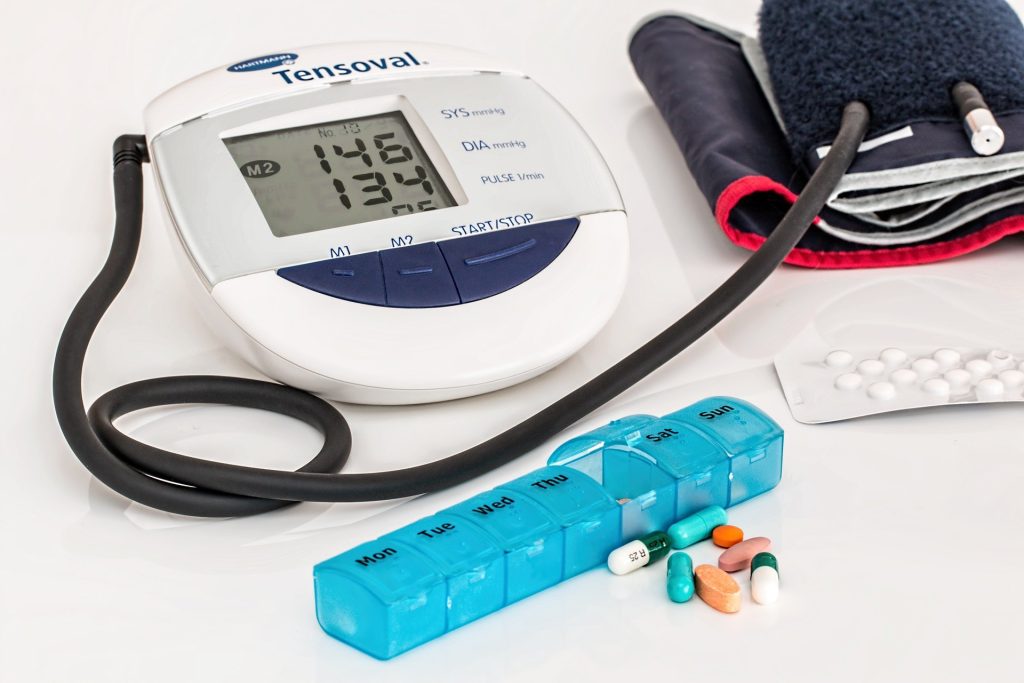
Credit: Pixabay CC0

A class of blood-pressure medications may improve a widely used treatment for ulcerative colitis, the most common type of inflammatory bowel disease, according to a study led by Northwestern Medicine and Kiel University of thousands of patients.

The study found that those taking the blood-pressure meds for hypertension alongside vedolizumab (Entyvio) were less likely to experience serious complications resulting in hospitalisation and surgery to remove the colon. The findings were published in Nature Medicine.

Most patients with ulcerative colitis do not achieve lasting remission with available treatments, including advanced therapies such as vedolizumab.

“You’re talking about teens or young adults who are suffering from uncontrollable diarrhoea, bloody stool and an inability to function at school, work, or go out and have normal social interactions,” said Dr Parambir Dulai, associate professor of medicine at Northwestern University Feinberg School of Medicine. “And the psychosocial and physical impact of the disease is substantial, to the point where it may be on par with cancer in terms of the impact. Finding a new pathway where we have the potential to repurpose an inexpensive, generic, readily available medication could offer a tremendous reprieve for a lot of these young adults who are suffering on a daily basis.”

Dr Dulai, Dr Stefan Schreiber of Kiel University and colleagues analysed data from more than 1,300 patients in two clinical trials of vedolizumab for ulcerative colitis. By tracking symptom changes (stool frequency and rectal bleeding), they identified different response patterns.

Tissue biopsies and blood samples then showed that poor response was linked to vascular inflammation in the colon involving a pathway already targeted by ACE inhibitors and angiotensin-receptor blockers (ARBs).

Analysis of healthcare data from nearly 9000 ulcerative colitis patients with hypertension confirmed that, among those on vedolizumab, ACE-inhibitor or ARB use was associated with lower rates of hospitalisation or surgery. Other antihypertensive classes showed no such association, and the benefit was specific to vedolizumab.

Clinical trials are now needed to confirm the findings and to explore applicability in patients with normal blood pressure. “We don’t know yet if you can use anti-hypertensive medications in normal-tensive patients. People who have normal blood pressure, you don’t want to give them a medicine to drop their blood pressure,” said Dr Dulai. “There may be other ways to target that same pathway without the other effects that are present from blood pressure medications. In other words, our study offers a rationale to start thinking about developing drugs specifically for this.”

The team is also developing a diagnostic test based on the markers identified in non-responders, which could allow earlier identification of patients likely to respond or better suited to alternatives.

Source: Northwestern University
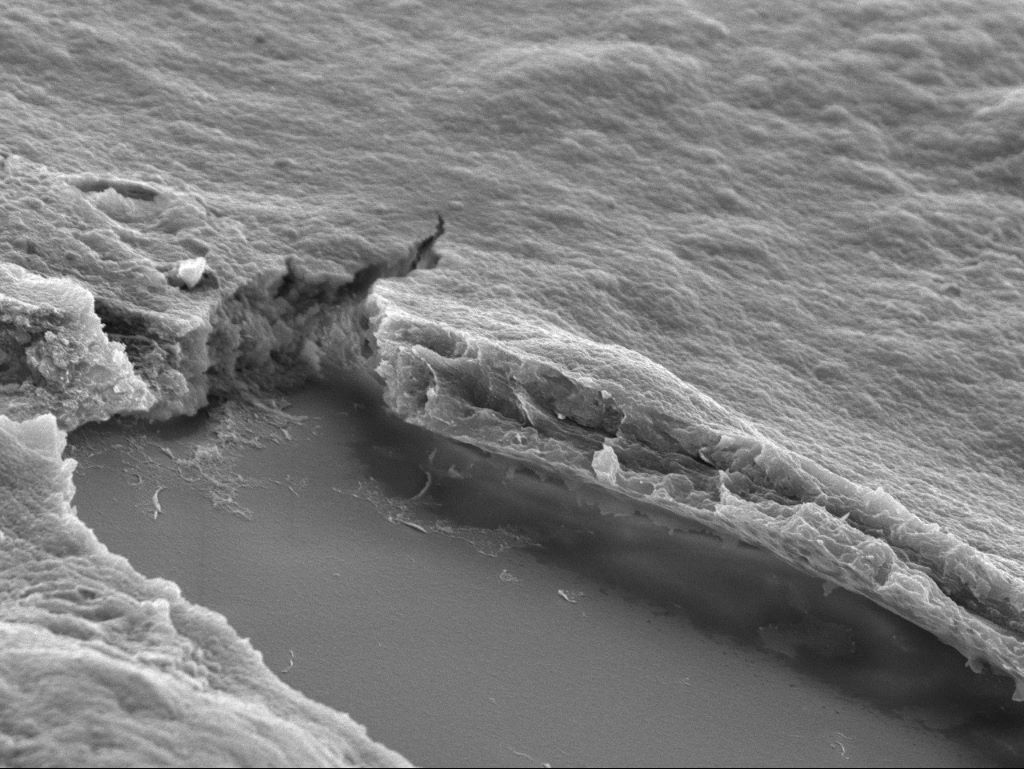
‘Living Medicine’ Tackles Drug-resistant Biofilms Growing on Ventilation Tubes

Scanning electron microscope images of the inner surface of breathing tubes in an infected pig showing the thick bacterial film that builds up on surface of ventilator tubes. Credit: Laia Fernández Barat and Kasra Kiarostami /Hospital Clínic-IDIBAPS

A ‘living medicine’ has thinned biofilms of antibiotic-resistant Pseudomonas aeruginosa in the lungs of pigs, according to the findings of a study published in the journal eBioMedicine.

The experimental treatment involves inhaling a genetically modified bacterium designed to target layers of drug-resistant P. aeruginosa that grow on the surfaces of endotracheal tubes used in hospitals.

It’s the first time the experimental treatment, which has previously only been shown to tackle biofilms in mice, has also worked in pigs, a large animal with lungs that are similar in size, structure and immune response to human lungs.

It’s also the first time the treatment has been shown to be administrable through a nebuliser, the same type of medical device human patients would use. Breathing in the “living medicine” thinned the biofilm inside breathing tubes from 6.08 to 3.67 micrometres, reducing thickness by around 40%.

The treatment involves Mycoplasma pneumoniae, a bacterium which normally causes a mild lung infection but, through genetic engineering, has been repurposed to be harmless for humans. The engineered bacterium was loaded with genes that dissolve sugars holding a biofilm together, as well as toxins that specifically only target Pseudomonas aeruginosa.

“Our study is part of an emerging field of medicine known as live biotherapeutics. In this case we’ve taken a bacterium naturally adapted to the lung and reprogrammed it so that it delivers therapeutic molecules instead of causing damage. It’s a Trojan horse strategy against disease,” explains Dr Irene Rodríguez-Arce, senior co-author of the study.

When examining the lungs afterwards, there were no signs of damage caused by the engineered bacterium. The treatment also showed no measurable effect on the animals’ own airway bacteria, suggesting the living medicine targets Pseudomonas specifically.

The study could one day help patients who cannot breathe for themselves in hospital. They are usually kept alive by passing a tube into the windpipe. Within days, bacteria colonise the inside of that tube and form a slimy, protective layer called a biofilm.

Antibiotics given through a drip struggle to penetrate the physical barrier of biofilms, causing recurring infections. In intubated patients, this is a known cause of ventilator-associated pneumonia (VAP). Around 1 in 4 cases are caused by Pseudomonas aeruginosa, which is frequently resistant to several types of antibiotics.

“Antibiotic resistance is a silent pandemic we see affecting intubated patients every day and Pseudomonas aeruginosa is among the hardest infections to clear,” says Laia Fernández Barat, first author of the study. “Our work represents a different line of attack, and one we badly need,” adds Dr Antoni Torres, senior co-author of the study.

The authors say their findings support a future first-in-human safety trial. Combining the “living medicine” with intravenous antibiotics or making further tweaks to the molecules that dissolve biofilms could further improve the experimental treatment’s effectiveness.

“I am confident that with modifications to the bacterial chassis’ payload, we could completely dissolve the biofilms on the surface of endotracheal tubes and clear P. aeruginosa infections entirely,” explains ICREA Research Professor Luis Serrano, senior co-author of the study.

The research team at the CRG are also creating versions of the living medicine that can tackle pulmonary fibrosis and lung cancer.

The study is a collaboration between the Centre for Genomic Regulation (CRG) and Hospital Clínic-IDIBAPS, both in Barcelona, with the animal studies carried out at the University of Barcelona. It was led by co-first authors Laia Fernández-Barat and Ana Motos, with Antoni Torres, Luis Serrano and Irene Rodríguez-Arce as senior authors. The study is funded by the “la Caixa” Foundation and the European Research Council.

10.1016/j.ebiom.2026.106537

Source: Centre for Genomic Regulation

Potential MND Therapy Restores Neuron Communication in the Lab

Photo by Louis Reed on Unsplash

A novel potential treatment approach for motor neuron disease (MND), similar to the approach being pursued with an investigational drug that recently entered human clinical trials, has been shown to restore broken communication between neurons in lab models of the disease. This could have beneficial therapeutic implications for 97% of people with MND, for whom there is currently no significant disease-modifying treatment.

Findings from a new study published in Nature, co-authored by researchers from King’s College London, University College London (UCL) and the Francis Crick Institute, along with Leibniz-FMP and Trace Neuroscience, pinpointed a single error in a key gene involved in MND that causes communication between neurons to break down, and used a drug to restore it in human neurons in the lab.

MND/ALS is a devastating and ultimately fatal disease that causes progressive muscle weakness due to the degeneration of motor neurons in the brain and spinal cord. As the disease advances, patients gradually lose the ability to move, speak, swallow and breathe. It is estimated to affect 1 in 300 people in their lifetime and there is no cure.

Currently, there are approved and experimental treatments for two rare genetic forms of ALS, which account for under 3% of cases. There is no significant disease-modifying treatment available for the remaining 97%. All of these cases share one feature: a key protein called TDP-43 stops doing its job correctly.

Normally, this protein is a proofreader for genetic material. Without this proofreading protein, neurons cannot process genetic material correctly, resulting in faulty proteins that are unable to carry out their normal roles.

By recreating in the lab what happens in human neurons when TDP-43 fails, researchers were able to see the knock-on effects of losing this proofreading protein on how neurons function. They found that without proper proofreading, there were errors in production of another key protein called UNC13A that normally lets neurons send signals to each other. Common genetic variants in UNC13A are already among the strongest known risk factors for MND.

The study found that a single error in how UNC13A is produced drastically reduced neuron communication. The researchers designed a type of drug, called an antisense oligonucleotide (ASO) to specifically target this error and were able to restore production of functional UNC13A protein, letting the neurons communicate again.

Another ASO that targets UNC13A dysfunction through a similar mechanism is already in clinical development in humans in the UK, Europe and China. Last month, the first UK participants were dosed with TRCN-1023 in Trace Neuroscience’s Phase 1/2 FUNCTION ALS clinical trial. UCL is a participating trial site.

We were surprised to see that restoring just one genetic event, out of the hundreds disrupted, was enough to allow neurons to talk to each other again.

Professor Juan Burrone, Professor of Developmental Neurophysiology, Institute of Psychiatry, Psychology & Neuroscience at King’s College London.

Professor Pietro Fratta, Professor of Cellular and Molecular Neuroscience at UCL and Group Leader at the Francis Crick Institute said:

“Our previous work told us UNC13A is important in ALS progression, but we still did not know in which way and to what extent it plays a role. We have now learned it’s the main driver of synaptic release deficits upon TDP-43 dysfunction, and have developed very effective antisense oligonucleotides to rescue this deficit. Excitingly these drugs have already entered clinical trials.”

Dr Rachel Jackson, one of the first authors on the paper, who carried out the research while she was a Research Associate at King’s, said:

“I used a live imaging technique that allowed me to see neurons signalling to each other under the microscope. Using this method, I saw that neurons with a change that mimics MND communicated less than neurons without the change.”

Source: King’s College London