Day: March 30, 2026

Study: Intermittent Fasting Positively Affects Female Hormones in PCOS 

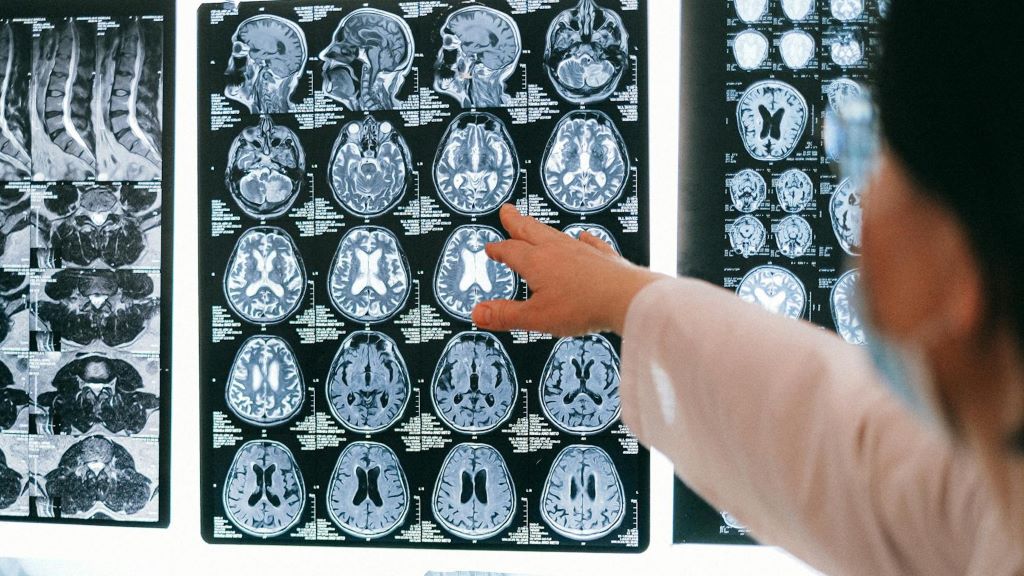
Photo by Sora Shimazaki on Pexels

Polycystic ovary syndrome, or PCOS, affects as many as 18% of all childbearing-age women. The condition occurs when a woman’s body produces too androgens, chiefly testosterone. Menstrual irregularity, obesity and even infertility can result.

The first line of treatment is typically hormonal birth control, said UIC professor of nutrition Krista Varady. But there can be negative side effects to mood, libido and metabolism, plus an increased stroke risk in some people, Varady said.

“We’re looking for other ways of lowering testosterone levels in these women,” she said. “One way is through weight loss. If someone loses around 5% of their body weight, they can actually help lower testosterone levels and sidestep any kind of drug intervention.”

A new study led by Varady tested how one weight-loss method — intermittent fasting — affects hormones and symptoms in patients with PCOS. Published in Nature Medicine, the research shows that restricting eating to a six-hour daily window decreased testosterone without negatively affecting female hormones. The study also showed that weight loss through calorie counting decreased testosterone. 

However, some critics of intermittent fasting have posited that the diet disrupts female hormones, Varady said.

“There’s a particular sentiment that intermittent fasting is really bad for women.” This is untrue, she said. “This study and several other studies published by our lab and others show that intermittent fasting can actually improve female hormone levels, particularly in women with PCOS.” 

Varady and her colleagues studied a type of intermittent fasting called time-restricted eating. In this method, you eat only during a set six- or eight-hour period each day. During the remaining 18 or 16 hours, you fast with calorie-free beverages and water until the next day. 

Simply put, the strategy helps people eat less, Varady said. So does counting calories, a method Varady and her colleagues tested alongside intermittent fasting in the study. But intermittent fasting had some additional benefits.

“It’s a way of reducing energy intake without having to do really complicated calorie counting,” she said about intermittent fasting. Varady and others have shown in previous work that eating only during an eight-hour window can cut around 300 to 500 calories a day.

In addition to obesity and insulin resistance, which raise risks of diabetes and heart disease, PCOS can cause ovarian cysts, acne and facial hair growth.

In a group of 76 pre-menopausal women with PCOS, the researchers tested how outcomes differed after six months between time-restricted eating between 1 and 7 p.m. daily and calorie counting. Both diet schemes ended up cutting participants’ intake by about 200 calories per day, the team found, leading to average weight loss of about 10 pounds over the six months.

Both groups also experienced a decrease in testosterone concentrations. But only time-restricted eating reduced free androgen index, the ratio between testosterone and the protein that transports it through the blood, which is a marker of how much active testosterone is reaching a body’s tissues. It also improved A1C levels, a risk marker for diabetes, Varady said.

Though intermittent fasting did not lessen other PCOS symptoms, like menstrual period irregularity, Varady suggested those symptoms might improve with longer time on the diet and greater weight loss.

About 80% of the participants in the time-restricted eating group said they were going to continue the diet, Varady said.

Story by Tess Joosse

Source: EurekAlert!

As NHI Stalls, the Real Debate Is About Trade Offs

ANC President Cyril Ramaphosa, with Minister of Health, Dr Joe Phaahla and his deputy Dr Sibongiseni Dhlomo, during the signing into law of the National Health Insurance Bill. (Photo: @MYANC/Twitter)

By Thoneshan Naidoo

Healthcare funding is always about trade-offs, writes Thoneshan Naidoo, CEO of the Health Funders Association. The hardest question in healthcare is not what we would like to provide, he argues, but what we can provide sustainably, fairly and at scale.

South Africa’s healthcare debate is shifting and perhaps for the first time in years, it is becoming more honest.

With the National Health Insurance (NHI) Act tied up in legal processes and no credible funding pathway emerging from the 2026 Budget, the conversation is moving away from sweeping promises about the future to a more immediate and uncomfortable question. That is how do we fund healthcare today, and what trade-offs are we willing to accept?

At the centre of that reality is a part of the system that is often misunderstood and frequently criticised – medical schemes.

They are often portrayed as profit driven and exclusionary. In reality, they are not for profit, member owned entities built on a simple but powerful principle, social solidarity. Simply put, members pool their contributions so that those who are healthy today help fund the care of those who are sick.

In practice, around 80% of members claim less than they contribute in any given year. Their contributions help fund the care of the 20% who need it most. That is not exploitation. It is the very definition of risk pooling, and it is the same principle that underpins universal health coverage.

But solidarity comes with trade-offs.

Every Rand paid out in benefits in excess of a member’s monthly contributions is funded by other members. That means decisions about what is covered, how much is paid, and when limits apply are not arbitrary. They are the result of difficult choices about what the overall pool can afford.

These trade-offs become most visible in moments of tension, when a claim is limited, a treatment is excluded, or a dispute arises. To the individual, the system can feel uncaring. But at a system level, the alternative, unlimited funding for every possible intervention, is simply not sustainable.

Even prevention, often presented as an obvious solution, is not as straightforward as it seems.

Take colorectal cancer screening. An inexpensive test such as a faecal immunochemical test can help detect disease early. But many false-positive results lead to follow up procedures like colonoscopies, even when no serious condition is ultimately found. At the same time, some cases are still missed and only diagnosed later, when treatment is more complex and more expensive.

The question is not whether prevention is valuable, it is how to fund it at scale in a way that balances early detection, over treatment and cost.

These are not abstract policy debates but are real world funding decisions that affect millions of people.

And they are taking place in a system under pressure.

Medical scheme membership is voluntary, so younger and healthier individuals often delay joining until they need care. This drives up costs for those already in the system. At the same time, schemes are required to cover a comprehensive set of 270 Prescribed Minimum Benefits, which raises the baseline cost of cover.

The result is a system that works well for those inside it but remains out of reach for many.

This is South Africa’s so-called “missing middle” – millions of working people who earn too much to qualify for public support, but too little to afford private cover. They are left exposed, paying out of pocket, and navigating a fragmented system while waiting for reforms that may still be years away.

As the NHI debate continues, this gap can no longer be treated as a future problem. It is a present reality.

The risk is that the debate remains stuck in ideology. That private healthcare is painted as inherently problematic, or that structural reform alone will resolve access challenges.

Neither is true.

Healthcare funding is always about trade-offs. There are no perfect systems, only different ways of balancing access, quality and affordability within finite resources.

If South Africa is serious about expanding access to healthcare, the debate must move beyond rhetoric and toward practical solutions.

These include using spare capacity in private facilities to treat public patients, and allowing medical schemes, through targeted regulatory reform, to offer affordable primary healthcare cover for people who are currently excluded. Done properly, this could unlock access to private healthcare for more than 10 million uninsured South Africans at a cost of as little as R400 per person per month. Combined with existing tax credits, the impact on a family’s take home pay could be close to negligible. By providing access to preventive and primary care through the private sector, they would reduce pressure on overcrowded public facilities and ease waiting times. Importantly, a strong focus on prevention and early intervention would reduce the need for costly hospitalisation over time.

Medical schemes are well placed to deliver these options, given the principles of social solidarity, community rating and cross-subsidisation that underpin their design. This approach is aligned with the Sustainable Development Goals and the core principles of universal health coverage, and could serve as a practical transitional step as South Africa moves towards the full implementation of National Health Insurance.

After all, the hardest question in healthcare is not what we would like to provide. It is what we can provide sustainably, fairly, and at scale.

*Naidoo is CEO of the Health Funders Association, an industry group that represents several medical schemes and medical scheme administrators in South Africa.

Note: Spotlight aims to deepen public understanding of important health issues by publishing a variety of views on its opinion pages. The views expressed in this article are not necessarily shared by the Spotlight editors.

Republished from Spotlight under a Creative Commons licence.

Read the original article.

Are Heart Failure and Atrial Fibrillation the Same Disease?

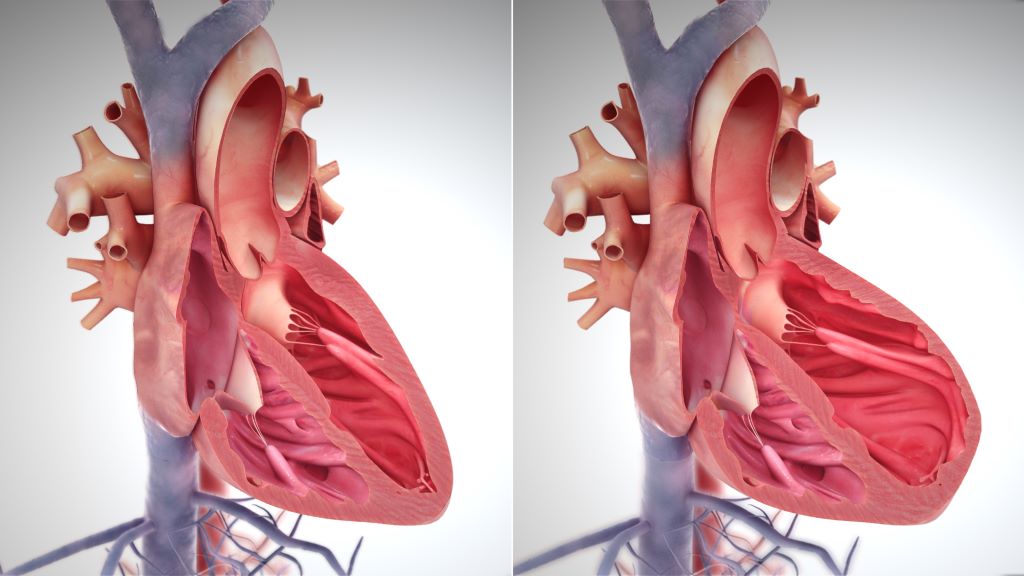
Right side heart failure. Credit: Scientific Animations CC4.0

New research published in Nature Cardiovascular Research reveals that heart failure and atrial fibrillation share underlying genetic and molecular mechanisms, suggesting that the two cardiovascular conditions may be less distinct than previously thought.

Two serious heart conditions that often coexist

Heart failure occurs when the heart muscle is damaged and unable to pump enough nutrient-rich blood to meet the body’s needs for oxygen. Heart failure is usually evaluated in the heart’s lower chambers, called ventricles, which provide most of the pumping power.

Atrial fibrillation is an arrhythmia that originates in the heart’s upper chambers, known as the atria. During atrial fibrillation, the heart beats too fast, resulting in a lower blood flow to the body and a higher risk for clots or stroke.

Epidemiologists have observed that these two conditions aren’t independent of one another: People with heart failure are much more likely to have atrial fibrillation, and vice versa. Patients’ outcomes also tend to be worse when they have both conditions.

“This intersection between two very common, very important diseases – both of which cause a lot of morbidity and mortality and billions of dollars in annual healthcare costs – has been called an ‘epidemic in cardiology,’ yet our understanding has remained very limited,” said senior author Ivan Moskowitz, MD, PhD, a paediatric cardiologist and pathologist at the University of Chicago Medicine.

Uncovering TBX5 as a key genetic regulator

This new study was guided by previous research Moskowitz and his collaborators published in 2024, which kick-started when a former lab member created a mouse model by “turning up” a gene linked to human heart failure in the mouse heart.

“We expected to get a heart failure mouse model, but instead we got an atrial fibrillation model,” Moskowitz said. “That observation put us on the right path.”

This focused attention on a gene called TBX5. TBX5 is a transcriptional regulator: a protein in the cell nucleus that controls which genes are turned on or off at a given time. When TBX5 levels are decreased in the atrium, it disrupts the normal gene expression needed to maintain a stable heart rhythm.

Zeroing in on transcriptional responses, the researchers compared different mouse models of heart failure and atrial fibrillation, finding that an atrial fibrillation model created by removing TBX5 from the atria actually creates gene expression changes almost identical to those seen in heart failure.

“That made us think that diminished TBX5 may be important in heart failure,” Moskowitz said. “So, we looked at human gene expression data, and lo and behold, TBX5 was very downregulated in the atria of patients with heart failure, but not the ventricles.”

This finding suggested a mechanistic link: reduced TBX5 in the atrium may contribute to the development of atrial fibrillation in the context of heart failure.

Coordinated genetic response across cell types

Further analysis revealed that over 100 other transcription factors – proteins that regulate gene expression – were altered in both the heart failure and TBX5-deficient atrial fibrillation models. Almost all the key transcription factors changed in the same direction in both conditions.

“Seeing these correlations emerge effectively indicates that from the atrium’s perspective, what’s happening in the two conditions is the same,” Moskowitz said.

Using single-cell analysis, the team identified which human cell types in the atrium were involved in the disease mechanism. Cardiomyocytes and fibroblasts both showed disease-related gene changes, suggesting that the pathological response involves multiple cell types communicating with one another.

Rethinking atrial fibrillation as atrial heart failure

Strikingly, the authors argue that the results should prompt a fundamental shift in how atrial fibrillation is understood. The rhythm disorder seen in atrial fibrillation may be a symptom of underlying atrial muscle dysfunction similar to the ventricular dysfunction in heart failure.

“The coordinated change in transcription factors lead us to conclude that atrial fibrillation is not really a different disease than heart failure; it is just what we might call ‘atrial heart failure,’ a manifestation of which is atrial fibrillation,” Moskowitz said. “Instead of a rhythm disorder in the atria, we can understand it more like an atrial myopathy that is mimicking what’s happening in ventricle cells in heart failure.”

Unlocking future treatment avenues

This new perspective could have important implications for cardiovascular disease treatment. Currently, therapies for atrial fibrillation focus on controlling the heart’s electrical rhythm, often by targeting ion channels that regulate electrical signals. Moskowitz suggests a broader approach: “We may be able to go higher upstream. Rather than trying to drug the channels directly, we could think more about the response of the atrium to pressure, much like we do the ventricles in heart failure. Approaching atrial fibrillation like heart failure may be a different avenue.”

In ongoing work, the UChicago Medicine researchers are continuing to analyse these genetic and molecular pathways. They’ve already identified multiple signalling genes expressed in cardiomyocytes that are disrupted when TBX5 is “turned down,” and are working to investigate whether replenishing those signals can prevent atrial fibrillation from occurring. This combination of insight and fundamental biology is the driving force behind translational advancement.

“This intersection is a fertile ground for insight into atrial fibrillation and how it may be treated,” Moskowitz said. “We’re excited because this study provides many candidates for future investigation. We hope our work can be applied to new thinking and interventions toward a cure.”

Source: University Chicago Medicine

The Most Common Recessive Neurodevelopmental Disorder Ever Discovered

Photo by Anna Shvets

Researchers have identified and described a previously unknown recessive neurodevelopmental disorder (NDD) that appears to be the most prevalent ever discovered. The study, involving University of Bristol researchers and published in Nature Genetics, provides long-awaited answers for many families and may inform future drug development.

The condition is caused by changes in a small noncoding gene called RNU2-2. It is estimated to affect thousands of individuals and accounts for about ten percent of all recessive NDD cases with a known genetic cause.

The work was led by researchers from Icahn School of Medicine at Mount Sinai in New York in collaboration with colleagues from Stanford University and the University of Bristol. Clinical and scientific collaborators from other institutions in the UK, the Netherlands, Belgium, and Italy provided valuable contributions to this research.  

The team found that the disorder is caused by a near-complete absence of a molecule called U2-2 RNA, which is produced by the RNU2-2 gene. Children with the condition typically inherit one altered copy of the gene from each parent, although sometimes changes arise spontaneously by genetic mutation. While the parents are unaffected, the combined effect on both copies of the gene in their children leads to disrupted brain development in their child.

Symptoms of this disorder vary widely depending on the child’s specific genetic changes. Common features include low muscle tone, developmental delays, and limited speech. Some children have mild learning difficulties or autism traits, while others develop epilepsy, movement disorders, or trouble walking. Brain imaging may appear normal early on but can show changes over time. In the most severe cases, additional challenges may include feeding difficulties or respiratory problems. The wide range of symptoms reflects how the underlying U2-2 RNA deficiency affects each child differently.

“Our discovery gives families something they’ve often waited years for, a clear molecular explanation for their child’s condition,” said the study’s first author, Daniel Greene, Assistant Professor of Genetics and Genomic Sciences at the Icahn School of Medicine. “For many families, that clarity can be profoundly meaningful after a long and uncertain diagnostic journey. At the same time, it gives the research community a concrete biological target to guide future therapeutics.”

Using whole-genome sequencing data from the UK’s National Genomics Research Library, the team examined rare genetic variants in more than 41 000 non-coding genes, genes that produce functional RNA molecules that do not encode proteins. They analysed genetic data from 14,805 individuals with an NDD and 52,861 ‘controls’ without an NDD. Their statistical approach was specifically designed to detect dominant and recessive conditions. RNA sequencing of blood from patients and controls further revealed the immediate biological consequence of the disease-causing variants: the severe reduction of U2-2 RNA.

This discovery builds on two earlier landmark developments from the research group:

The new study expands this story by demonstrating that recessive variants in RNU2-2 cause a distinct and surprisingly prevalent disorder, now referred to as recessive ReNU2 syndrome. Notably, the researchers estimate that this recessive condition may be 60% as common as ReNU syndrome, which is unusual — the most prevalent NDDs are dominant rather than recessive.

Andrew Mumford, Emeritus Professor of Genomic Medicine at the University of Bristol, said: “This research completes a set of three landmark genetic discoveries from our team that have identified faults in two hitherto unsuspected genes as a common cause of what can sometimes be a devastating developmental disorder. This work will rapidly improve genetic diagnosis for families and children and lead to significant advancements in clinical care.”

The investigators are now enrolling families into the INDEED study at Mount Sinai to help deliver diagnoses and better understand the condition. Future work will focus on deepening the understanding of the biology behind the disorder and identifying paths toward future treatments.

“Our discovery will enable tens of thousands of families affected by this previously hidden genetic condition to receive closure through a genetic diagnosis. Parents will have the opportunity to connect with each other through the recently established ReNU2 Syndrome Foundation. Given the recessive inheritance pattern, diagnoses will provide critical information for family planning,” added Dr Ernest Turro, the study’s senior author.

“While a specific treatment for recessive ReNU2 syndrome is not yet available, understanding that the disorder stems from a loss of U2-2 RNA points to potential gene replacement strategies in the future,” he explains. “We are now enrolling families into the INDEED study to diagnose affected individuals, improve our understanding of the natural course of the condition, develop clinical management guidelines, and uncover precisely how U2-2 RNA loss disrupts neurodevelopment. We hope these steps will lay a strong foundation for future clinical trials.”

Paper

Biallelic variants in RNU2-2 cause the most prevalent known recessive neurodevelopmental disorder’ By D Greene et al. in Nature Genetics [open access]

Source: University of Bristol

Researchers Model How to Contain H5N1 in Case of Human-to-human Transmission

Photo by Karol Klajar on Unsplash

At this point, Avian flu H5N1 is thought to have very limited ability to transmit between humans, but a recent case in Canada with an unknown source of transmission has piqued the curiosity and concern of scientists, including York University Professor Seyed Moghadas.

Did this lone case come about through transmission from an animal or another person, and if it was via human transmission, what methods will control its spread in the human population? Director of York’s Agent-Based Modelling Laboratory in the Centre of Excellence in AI for Public Health Advancement, Moghadas and a group of researchers used modelling to understand the best spread control measures should human-to-human transmission become possible.

“The idea was, let’s evaluate some of the interventions that we usually implement at the very earliest stage of a disease outbreak or emerging disease, which we know very little about,” he says.

For the research published in Nature Health, various scenarios from isolation to vaccination before or after a spillover event were modelled. It is one of only a few studies that have explicitly modelled outbreak dynamics following spillover into humans or the effectiveness of public health interventions in early and highly uncertain phases of virus development.

As a professor of computational epidemiology and vaccine science in York’s Faculty of Science, Moghadas and his colleagues were already collecting data on H5N1 cases in the United States when the Canadian case arose. Given the unknown nature of transmission, the team decided to pivot their work to look at what was happening in British Columbia (BC).

“The case in BC was of particular interest for us because no definitive source of exposure was identified, including no direct contact with infected animals or known high-risk settings such as poultry farms,” says Moghadas. “Because of that, it came to our attention that maybe there is some sort of transmission going on between humans.”

As far as health and science experts know, H5N1 can only be transmitted among poultry and dairy cattle on farms, as well as through wild birds, and from these animals to humans, but sustained human-to-human transmission has not been established. The person from BC, however, had no clearly identified exposure and even though human infection from animals is rare, avian influenza H5N1 is considered highly pathogenic and a potentially serious and evolving threat to global public health.

“This virus was first identified in 1997 in Southeast Asia. This kind of zoonotic virus essentially jumps from the bird or animal side to human side sometimes, mostly it circulates among wild birds,” says Moghadas. “There is no confirmation that human-to-human transmission happens as yet in North America.”

The virus has only been in North America since 2022, but surveillance monitoring for it began in 2003 and up until recently there have been close to 1000 cases reported globally in humans and just under 500 deaths, although the number of cases could be higher because not all cases are likely reported or symptomatic. The virus has not only expanded its geographical range, but also the animal species it can infect.

“Evolution of influenza viruses of any type is always a challenge for humans. The flu virus is one of the very rapid mutating pathogens,” he says. The concern is it will mutate to be able to transmit between humans. How viable is it? How easily can it spillover from animals to humans, and how long could the potential chain of transmission from human-to-human become? These are still open questions.

“Quantifying that risk was important for us because that could also give us direction in terms of how bad the disease could be and what strategies will work to contain it,” says Moghadas. “We have very few measures in place or a strategy to deal with it at this point, given that the transmission between humans is not established.”

As it is an avian flu virus, it will likely require two doses of a similar vaccine to what was used during the H1N1 pandemic to reduce the risk and severity which often triggers a higher viral load.

The researchers used Abbottsford, B.C. as the location as it is a highly dense poultry farming area. The starting point is after a spillover has happened. “If a human became infected, how do we block this single individual to trigger a large outbreak? Or if the infection is going on between humans, can we block these chains and to what degree we can block them?” asks Moghadas. “What is the effectiveness of either self-isolation of symptomatic cases or vaccination of farmers or vaccination of farmers and their household members?”

Even with mitigation measures, someone in the farmer’s family could potentially be infected by the farmer and then transmit it to someone in the community.

The team evaluated two different types of vaccination strategies. One was reactive, which means that you trigger a vaccination program after a case has been identified somewhere. The second strategy was pre-emptive – individuals, such as farmers, are vaccinated before any case is identified.

What they found is that reactive vaccination has very limited additional benefits outside of self-isolation, but pre-emptive vaccination adds substantial additional benefits on top of self-isolation.

Should the virus be confirmed to be capable of human-to-human transmission, Moghadas says they want to limit the chain of transmission and minimise the risk of evolution of the virus to become more adapted to human conditions. For now, he says, when cases are identified, the person should self isolate immediately. For the authorised vaccine, it should be meted out quickly to target populations, but that could take several weeks to have population level effectiveness.

“Timely action is a critical part of controlling the spread. Self-isolation of symptomatic cases has a significant effect, but that comes with the caveat that we don’t know if everybody who is infected will develop symptoms,” says Moghadas. “There could be potential asymptomatic cases we don’t identify and by the time we do identify them, they’ve been already infecting others in the chain of transmission. This case in B.C. was particularly concerning because they could not find the source of infection.”

The concern is not only that the virus might be able to jump from animals to humans, but also the potential for it to mutate during early human transmission chains making it more adaptable to infecting humans. This underscores the risk of local outbreaks with global implications, he says.

“My research is all about evidence generation for governments, health-care providers and policymakers in public health organisations. We are generating evidence that can be used to at the very least limit the potential for this virus to become another pandemic,” says Moghadas.

By Sandra McLean

Source: York University