

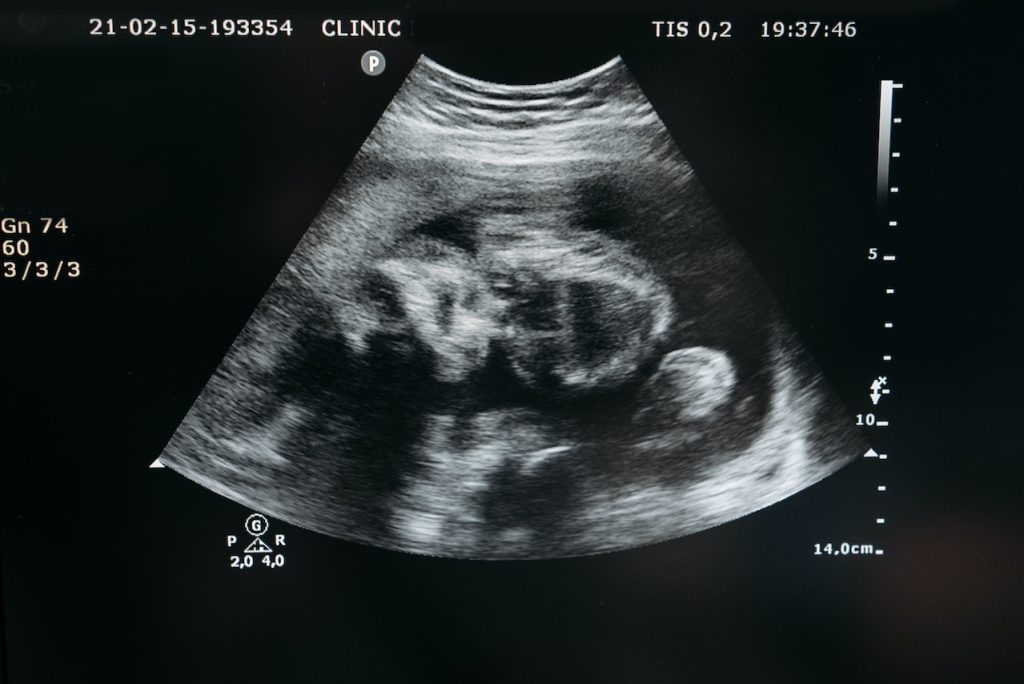
Consuming THC (Delta-9-tetrahydrocannabinol) while pregnant could potentially affect development of the foetus and lead to life-long health impacts for offspring, according to a new study published in the journal Clinical Epigenetics.
THC is the main psychoactive ingredient in cannabis, which is growing in popularity and availability. The prevalence of cannabis use in pregnancy is also rapidly increasing, especially during the first trimester, when the foetus is most vulnerable to environmental exposures, to mitigate common symptoms like morning sickness. However, the potential effects of prenatal cannabis use on foetal development remain inconclusive, in part due to a lack of safety data. This study aimed to identify the potential long-term health impacts of THC use during pregnancy.
In a non-human primate model, Oregon Health & Science University researchers found that exposing a pregnant subject to THC altered placental and foetal epigenetics. Researchers also found that that these changes to gene regulation and expression are consistent with those seen with many common neurobehavioural conditions, including autism spectrum disorder.
“Cannabis is one of the most commonly used drugs and is widely available across the country, so there is a common perception that its completely safe to use,” said the study’s lead author Lyndsey Shorey-Kendrick, PhD, a computational biologist in the Division of Neurosciences at OHSU’s Oregon National Primate Research Center, or ONPRC. “The reality is that cannabis still carries many health risks for certain populations, including those who are pregnant. If we’re able to better understand the impacts, we can more effectively communicate the risks to patients and support safer habits during the vulnerable prenatal period.”
In a model using nonhuman primates, researchers administered THC in a daily edible and compared its effects to a group receiving a placebo. Specifically, researchers evaluated the epigenetic changes in several key areas that indicate healthy prenatal development: the placenta and foetal lung, brain and heart.
When looking at these areas, analyses showed that THC exposure altered the epigenome, meaning a process in which the information encoded in a gene is turned into a function or observable trait. Genes are all specifically coded to contribute to different functions of the body and brain, so any impact on epigenetic processes due to drug exposure is concerning, especially during a critical developmental window such as pregnancy.
Researchers found that significant changes involved genes associated with common neurobehavioral disorders, including autism spectrum disorder and attention deficit hyperactivity disorder. These conditions are linked to adverse health outcomes in childhood and adolescence, including poorer memory and verbal reasoning skills, and increased hyperactivity, impulsivity and inattention.
The research team hopes findings from this study will add to the limited existing literature on THC use during pregnancy, and help guide patient counselling and public health polices focused on cannabis in the future.
“It’s not common practice for providers to discuss cannabis use with patients who are pregnant or trying to conceive,” said the study’s corresponding author, Jamie Lo, MD, MCR, associate professor of obstetrics and gynaecology (maternal-foetal medicine) at OHSU. “I hope our work can help open up a broader dialogue about the risks of cannabis use in the preconception and prenatal period, so we can improve children’s health in the long run.”
