

Tag: preterm birth

No COVID Impact on Increased Preterm Births or Stillbirths
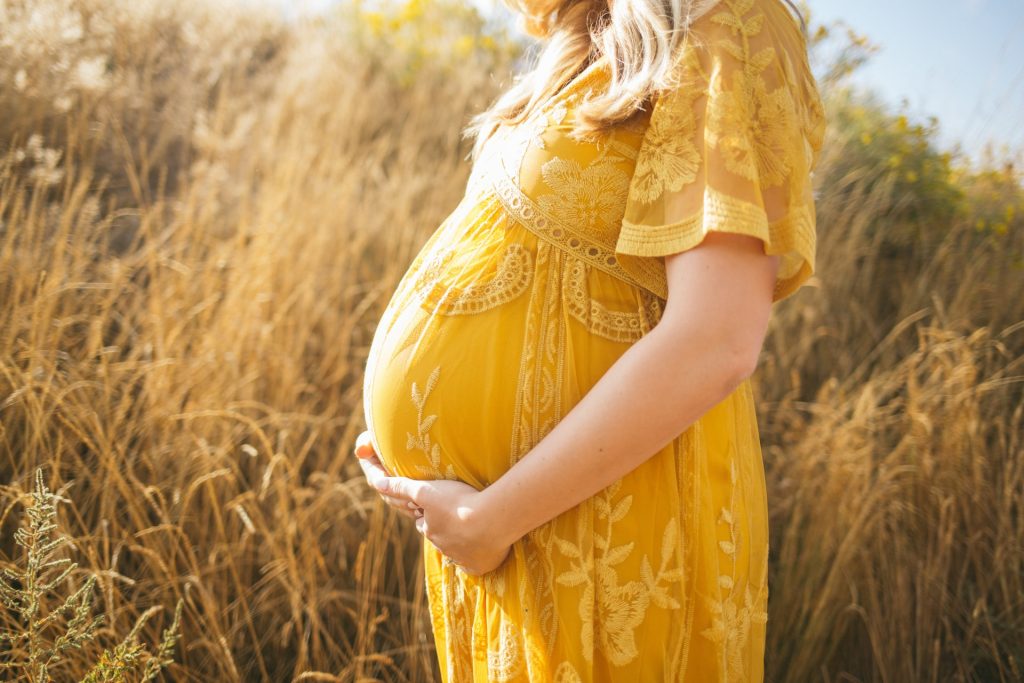
Source: Anna Hecker on Unsplash

A study found no increases in preterm births or stillbirths during the first year of the COVID pandemic, which will help alleviate concerns around pregnancy and COVID. The large study of more than 2.4 million births in Ontario is published in CMAJ (Canadian Medical Association Journal).

Infection, inflammation, stress, medical or pregnancy-induced disorders, genetic predisposition, and environmental factors are risk factors for stillbirth and preterm birth, although in many instances the exact mechanism is not yet known.

During the COVID pandemic, reports emerged of declining rates of preterm births in countries such as the Netherlands, Ireland and the United States, while the United Kingdom, Italy, India while others reported increases in stillbirths and some variability in preterm birth rates. However, most studies were limited by their small size.

To identify a possible shift, the study researchers analysed Ontario births over an 18-year period and compared these trends in the prepandemic period (2002–2019) with the pandemic period (January to December 2020).

“We found no unusual changes in rates of preterm birth or stillbirth during the pandemic, which is reassuring,” said Dr Prakesh Shah, a paediatrician-in-chief at Sinai Health and professor at University of Toronto, Toronto, Ontario.

It is possible that measures related to the pandemic and compliance with them could affect preterm birth rates in different settings. Thus, the researchers examined birth outcomes in the public health units with higher SARS-CoV-2 positivity rates (Toronto, Peel Region, York Region and Ottawa), and also compared urban and rural births and those in neighbourhoods with different average income levels.

“In some areas and in certain people, the restrictions could be beneficial, and in other settings or individuals, restrictions could have the opposite effect,” said Dr Shah.  

International studies are now underway to help understand the impact of COVID on pregnancy and childbirth around the globe.

Source: EurekAlert!
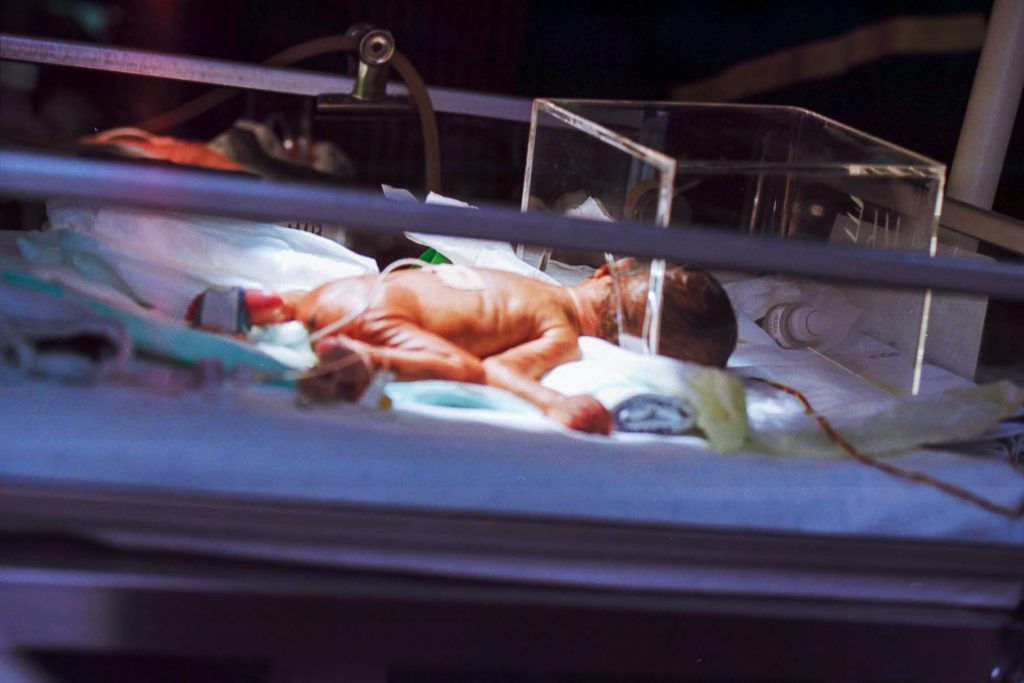
Breakthrough AI Development for Premature Baby Care

Photo by Hush Naidoo on Unsplash

Researchers believe they have made a breakthrough in the science of keeping premature babies alive.

As part of her PhD work, James Cook University engineering lecturer Stephanie Baker led a pilot study that used a hybrid neural network to accurately predict how much risk individual premature babies face. This study was published in the journal Computers in Biology and Medicine.

Complications resulting from premature birth are the leading cause of death in children under five and over 50% of neonatal deaths occur in preterm infants, she said. In 2005, 12.9 million births, or 9.6% of all births worldwide, were preterm.

“Preterm birth rates are increasing almost everywhere. In neonatal intensive care units, assessment of mortality risk assists in making difficult decisions regarding which treatments should be used and if and when treatments are working effectively,” said Ms Baker.

To better guide their care, preterm babies are often given a score that indicates the risk they face.

“But there are several limitations of this system. Generating the score requires complex manual measurements, extensive laboratory results, and the listing of maternal characteristics and existing conditions,” noted Ms Baker.

She said the alternative was to measure variables that do not change (eg, birthweight) that prevents recalculation of the infant’s risk on an ongoing basis and does not show their response to treatment.

“An ideal scheme would be one that uses fundamental demographics and routinely measured vital signs to provide continuous assessment. This would allow for assessment of changing risk without placing unreasonable additional burden on healthcare staff,” said Ms Baker.

She said the JCU team’s research had culminated in the Neonatal Artificial Intelligence Mortality Score (NAIMS), a hybrid neural network that relies on simple demographics and trends in heart and respiratory rate to determine mortality risk.

“Using data generated over a 12 hour period, NAIMS showed strong performance in predicting an infant’s risk of mortality within 3, 7, or 14 days.

“This is the first work we’re aware of that uses only easy-to-record demographics and respiratory rate and heart rate data to produce an accurate prediction of immediate mortality risk,” said Ms Baker.

According to Ms Baker, the technique was fast with no invasive procedures or knowledge of medical histories needed.

“Due to the simplicity and high performance of our proposed scheme, NAIMS could easily be continuously and automatically recalculated, enabling analysis of a baby’s responsiveness to treatment and other health trends,” said Ms Baker.

She said NAIMS had proved accurate when tested against hospital mortality records of preterm babies and had the added advantage over existing schemes of being able to perform a risk assessment based on any 12 hour period of data gathered during the patient’s stay.

Ms Baker said the next step in the process was partnering with local hospitals to gather more data and undertake further testing.

“Additionally, we aim to conduct research into the prediction of other outcomes in neo-natal intensive care, such as the onset of sepsis and patient length of stay,” said Ms Baker.

Source: James Cook University

Journal information: Baker, S., et al. (2021) Hybridized neural networks for non-invasive and continuous mortality risk assessment in neonates. Computers in Biology and Medicine. doi.org/10.1016/j.compbiomed.2021.104521.