Mental Health and the NICU Mom: The Silent Battle Behind the Glass
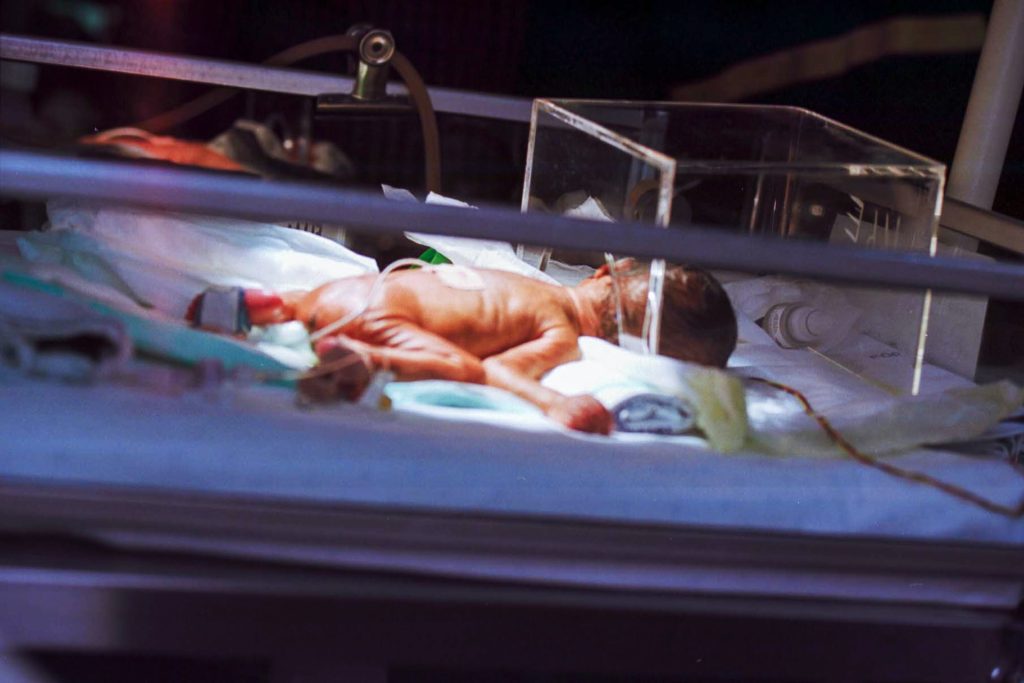
If you’ve ever walked through a neonatal intensive care unit (NICU), you’ll know the atmosphere – quiet, sterile, filled with tiny machines keeping even tinier lives stable. What you might not see, though, is the emotional toll it takes on mothers standing behind that glass.
For many moms of premature babies, the NICU isn’t just a place of healing – it’s a battlefield of fear, hope, and heartache. Studies suggest that up to 70% of mothers with babies in NICU experience symptoms of anxiety or depression, and a significant number show signs of post-traumatic stress disorder (PTSD) even months after discharge.
“Having a baby in NICU can be one of the most emotionally isolating experiences a mother faces,” says Sr Londe, independent midwife and Vital Baby South Africa’s trusted advisor. “You’re told to be strong, to hold it together. But inside, you’re scared and feel powerless.”
Unlike traditional postpartum depression, which often develops after birth, NICU-related mental health challenges can begin immediately; triggered by medical uncertainty, feelings of guilt, or the inability to bond physically with your baby.
“You may only be allowed to touch your baby for minutes at a time,” says Sr Londe. “That separation can deeply impact bonding and confidence.”
Feeling numb, struggling to sleep even when your baby is safe, replaying traumatic moments, or feeling disconnected from your child – these are all warning signs of trauma or depression. And yet, many mothers dismiss them.
“There’s still a stigma around maternal mental health,” says Sr Londe. “We need to normalise the conversation and remind mothers that they’re not alone.”
Talking to your healthcare provider, joining a support group, or connecting with a therapist who specialises in perinatal mental health can make a world of difference. Hospitals are also increasingly introducing peer-support programmes where NICU graduates’ parents help new families navigate the emotional maze.
“It’s okay to need help,” says Sr Londe. “You’re not failing as a mother, you’re processing an extraordinary experience.”
As the conversation around maternal mental health grows, brands like Vital Baby are helping raise awareness that caring for moms is as important as caring for their babies. Because behind every incubator, there’s a mother who needs healing too.
Vital Baby is a family-run business with over 45 years of experience in the baby industry. Our mission is to create products that make family time effortless and enjoyable for parents. The Vital Baby range is 100% BPA-free and covers every stage of your baby’s development, from feeding and weaning to hygiene and soothing. Explore the range online at Vital Baby® (vitalbabyshop.co.za) and enjoy delivery within South Africa or find us on shelf at Clicks and Dischem.