

Hypertension Warning for Long-term Paracetamol Use
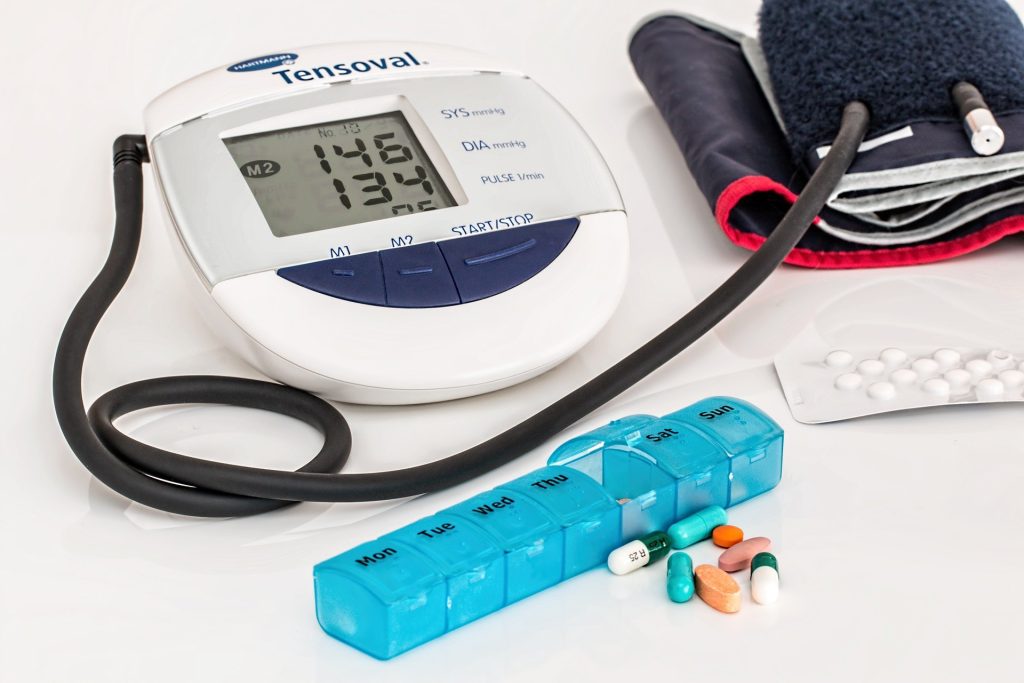
Long-term paracetamol use could increase the risk of heart disease and strokes in people with high blood pressure, according to a randomised clinical trial by the University of Edinburgh.
Researchers recommend that patients with a long term prescription, usually for chronic pain, should rather choose the lowest effective dose for the shortest possible time.
The study, which appears in Circulation, is the first large randomised clinical trial to address the question of paracetamol’s effect on cardiovascular disease, and complements earlier work in observational studies.
Paracetamol was often suggested as a safer alternative to non-steroidal anti-inflammatory drugs (NSAIDs), which are known to increase blood pressure and risk of heart disease.
In the latest study, 110 patients with a history of high blood pressure were prescribed one gram of paracetamol four times a day – a routinely prescribed dose in patients with chronic pain – or a matched placebo for two weeks. All patients received both treatments, with the order randomised and blinded. The paracetamol group saw a significant increase in blood pressure, compared to the placebo group.
This rise was similar to that seen with NSAIDs, and could be expected to increase the risk of heart disease or stroke by around 20%. The findings should lead to a review of long-term paracetamol prescriptions to patients, said the researchers, especially to those with hypertension and an increased risk of heart disease or stroke.
Lead Investigator Dr. Iain MacIntyre said: “This is not about short-term use of paracetamol for headaches or fever, which is, of course, fine—but it does indicate a newly discovered risk for people who take it regularly over the longer term, usually for chronic pain.”
Principal Investigator Professor David Webb said: “We would recommend that clinicians start with a low dose of paracetamol, and increase the dose in stages, going no higher than needed to control pain. Given the substantial rises in blood pressure seen in some of our patients, there may be a benefit for clinicians to keep a closer eye on blood pressure in people with high blood pressure who newly start paracetamol for chronic pain.”
Professor Sir Nilesh Samani, Medical Director at the British Heart Foundation, who funded the study, said: “This research shows how quickly regular use of paracetamol can increase blood pressure in people with hypertension who are already at increased risk of heart attacks and strokes. It emphasises why doctors and patients should regularly review whether there is an ongoing need to take any medication, even something that may seem relatively harmless like paracetamol, and always weigh up the benefits and risks. However, if you take paracetamol occasionally to manage an isolated headache or very short bouts of pain, these research findings should not cause unnecessary concern.”
Source: University of Edinburgh