New Insights into Genetic Risk for Nicotine Dependence

Photo by Sabine R on Unsplash

A new study has developed a new model for examining the genetic risk for nicotine dependence. 

Tobacco smoking carries undeniable health risks, and being unable to quit or moderate smoking draws out the problem. While some people may be casual smokers and can easily quit, others become heavy smokers who struggle to quit. This risk for nicotine dependence comes from a complex mix of environmental, behavioural, and genetic factors.

Twins studies indicate that 40 to 70 percent of the risk factors are heritable. Until recently, however, studies have only explained about 1 percent of the observed variation in liability to nicotine dependence, using a genetic score based on how many cigarettes a person smokes per day.

The new study led by psychologists at Emory University leveraged genome-wide association studies for a range of different traits and disorders correlated with nicotine dependence and explained 3.6 percent of the variation in nicotine dependence. The findings were reported in the journal Nicotine & Tobacco Research.

Higher polygenetic scores for a risk for schizophrenia, depression, neuroticism, self-reported risk-taking, a high body mass index, alcohol use disorder, along with more cigarettes smoked a day were all indicators of a higher risk for nicotine dependence, the researchers found. Meanwhile, the results showed that polygenetic scores associated with higher education attainment lowered the risk for nicotine dependence.

Senior author Rohan Palmer, assistant professor, Behavioral Genetics of Addiction Laboratory, Emory University explained: “If you look at the joint effect of all of these characteristics, our model accounts for nearly 4 percent of the variation in nicotine dependence, or nearly four times as much as what we learn when relying solely on a genetic index for the number of cigarettes someone smokes daily,”

“What we’re finding,” Prof Palmer added, “is that to better leverage genetic information, we need to go beyond individual human traits and disorders and think about how risk for different behaviors and traits are interrelated. This broader approach can give us a much better measure for whether someone is at risk for a mental disorder, such as nicotine dependence.”

“All of the traits and diseases we looked at are polygenic, involving multiple genes,” added first author Victoria Risner, who did the work as an Emory undergraduate majoring in neuroscience and behavioural biology. “That means that millions of genetic variants likely go into a complete picture for all of the heritable risks for nicotine dependence.”

The researchers hope that others will build on their multi-trait, polygenetic model and continue to boost the understanding of the risk for such complex disorders. “The more we learn, the closer we can get to one day having a genetic test that clinicians can use to inform their assessment of someone’s risk for nicotine dependence,” Prof Palmer said.

Though smoking hazards are well known, about 14 percent of Americans use tobacco daily. Around half a million people die each year in the US from smoking or exposure to smoke, and another 16 million have serious illnesses caused by tobacco use, including cancer, cardiovascular disease, and pulmonary disease. While chemicals produced during smoking and vaping cause the health impacts, nicotine hooks people on these habits.

Risner worked on this paper for her Honours thesis. “Nicotine dependence was interesting to me because the vaping scene was just arriving while I was an undergraduate,” she says. “I saw some of my own friends who were into vaping quickly becoming dependent on it, while some others who were using the same products didn’t. I was curious about the genetic underpinnings of this difference.” Risner is now in medical school at University of North Carolina.

The work made use of genome-wide association studies for a range of traits and disorders. The researchers then sought matching variants in genetic data from a nationally representative sample of Americans with nicotine dependence. Polygenetic scores for the different traits and disorders either raised or lowered the risk for that dependence. The strongest predictors were number of cigarettes smoked per day, self-perceived risk-taking, and educational attainment.

The multi-variant, polygenetic model offers a path forward. For instance, a clearer picture of heritability for nicotine dependence, may be gained by adding more risk associations to the model (such as nicotine metabolism) and clusters of polygenic traits (such as anxiety along with neuroticism).

“As we continue to zero in on who is most at risk for becoming nicotine dependent, and what inter-related factors, whether genetic or environmental, may raise their risk, that could help determine what intervention might work best for an individual,” Prof Palmer said.

“Just a few decades ago, it was not well understood that nicotine dependence could have a genetic component,” Risner said. “Genetic studies may help reduce some of the stigma society has against substance use disorders, while also making treatment more accessible.”

Source: Emory Health Sciences

Journal information: Risner, V A., et al. (2021) Multi-Polygenic Analysis of Nicotine Dependence in Individuals of European Ancestry. Nicotine & Tobacco Research. doi.org/10.1093/ntr/ntab105.

Half of GP Staff Face Abuse as a Result of Vaccinations

Photo by Usman Yousaf on Unsplash

A survey published in The BMJ has found that in UK practices, over half (52%) of GP staff face abuse while working on the COVID vaccination programme.

The Medical Protection Society (MPS) survey of 222 GP practice staff , which included GPs, nurses, and practice managers, also found that over half (53%) of staff said that their surgery or vaccination centre had been defaced by anti-vaccination material. GP practices in the UK had been offering COVID vaccinations since December 2020.

One respondent said, “Staff of all disciplines are leaving the profession in droves because of the behaviour of the public creating unbearable working situations. Morale is the lowest I have ever known, anyone near retirement is retiring early.” Another said, “Abuse—especially written and posted in the prescription box on the gate—has resulted in staff being very concerned for their safety at the surgery.”

About two-thirds of respondents (60%) said that abuse and complaints relating to the UK’s COVID vaccination programme had affected their own or their team’s mental wellbeing. A further 71% said that the increased workload resulting from the programme has impacted their wellbeing.

Pallavi Bradshaw, medicolegal lead for risk prevention at MPS, said that GP practices were in the firing line over patient frustrations with the vaccination programme. “GPs are mentally and physically exhausted, with the risk of disillusionment and burnout higher than ever,” Bradshaw said. “Wellbeing support must be provided to all GP surgery staff who are feeling overwhelmed and demoralised, and a zero tolerance policy of abuse must be enforced across the NHS so healthcare workers feel their safety is a priority.”

Source: The BMJ

Month-long COVID Coma Left Ambulance Worker ‘Scarred’

Photo by Ian Taylor on Unsplash

A UK ambulance worker who contracted COVID and was in an induced coma for over a month says his family is psychologically scarred by what happened.

Paul Clements, 59, had major organ failure as well as several infections, leaving him in intensive care at Bristol Royal Infirmary. Doctors told him he was lucky to survive the 33-day induced coma. Speaking to the BBC, Mr Clements said that the time passed “in the blink of an eye”.

“The last thing I remember is being handed a cup of tea by my daughter,” said Mr Clements. He was agitated, complaining that the tea tasted awful, prompting concern from his family.

“I put it down, and then I blinked. I then found myself lying on a bed looking at a nurse,” he recalled. “I told her that I’d put my tea down somewhere.”

He said the nurse laughed in response, and then explained to him that he “had been unconscious for 33 days.”

On 19 March 2020, Mr Celements began to have COVID symptoms. Five days later, he was rushed into hospital.

“They tried three times to wake me up. The doctors told me I had pneumonia, a chest infection, an abdominal infection, kidney failure and liver failure – all wrapped up in COVID.” Up to a third of hospitalised COVID patients in the UK’s first wave had ‘do not resuscitate’ orders, recorded on or just before their admission.

He says that “Trying to get my head around that was almost impossible. Even now they have no idea why I survived.”

At the time, his family weren’t allowed to visit the Bristol Royal Infirmary where he was due to COVID restrictions.

“It was hell, absolute hell,” said Paul’s wife, Kerri. “Every time the phone rings you’re on edge thinking this is a call we don’t want. Listening out for his breathing every night, if he coughs I’m on edge, if he says he doesn’t feel well we’re back on edge.”

Mr Clements spent a total of three months in hospital before being leaving the ward to applause by the staff.

He returned to his work as an emergency care assistant six months later, with South Western Ambulance Service where has been for the past 38 years. He acknowledges the close call he had. “Unfortunately in my job I’ve put people in body bags and taken them to the mortuary,” he said.

“I spent some time in hospital trying to get my head around it and realised that could’ve been me, and the reality of it is so scary.”

Source: BBC News

Male and High BMI not Linked to COVID ICU Mortality

Photo by Mufid Majnun on Unsplash

A new meta-analysis shows that, contrary to some previous research, being male and increasing body mass index (BMI) are not associated with increased mortality in COVID patients in intensive care units (ICU).

However, the study by Dr Bruce Biccard (Groote Schuur Hospital and University of Cape Town) and colleagues found that there were a wide range of factors linked to death from COVID in ICU. An August 2020 study of ICU COVID patients in Europe showed an association for age but not male sex.

The meta-analysis, which includes 58 studies and 44 305 patients published in the journal Anaesthesia, showed that, compared to patients without these risk factors, ICU COVID patients had a 40% greater mortality risk with smoking history, 54% higher with hypertension, 41% higher with diabetes, 75% higher with respiratory disease, around twice as high with cardiovascular disease or cancer, and 2.4 times higher with kidney disease. Other factors associated with an increased risk of death were the severity of organ failure, needing mechanical ventilation (a factor of 2.5 over non-ICU), as well as increased white blood cell counts and other inflammation markers.

The authors believe that age may effectively represent frailty in COVID patients which impacts on a person’s physiological reserve to overcome a critical illness. Hypertension, smoking and respiratory disease may be linked by their association with angiotensin-converting enzyme (ACE) receptors in the body, since there is increased expression of ACE-2 receptors amongst smokers and patients with chronic obstructive pulmonary disease. The link between hypertension and cardiovascular disease and increased mortality may be associated with the risk of cardiac injury which occurs with the systemic inflammatory response to COVID infection.

The authors said: “The findings confirm the association between diabetes, cardiovascular and respiratory comorbidities with mortality in COVID patients. However, the reported associations between male sex and increasing BMI worsening outcomes are not supported by this meta-analysis of patients admitted to ICU. This meta-analysis provides a large sample size with respect to these risk factors and is a robust estimate of risk associated with male sex and BMI.”

Source: EurekAlert!

Journal information: Anaesthesiadoi.org/10.1111/anae.15532

New Treatment Candidate May Reverse Neurodegenerative Decline

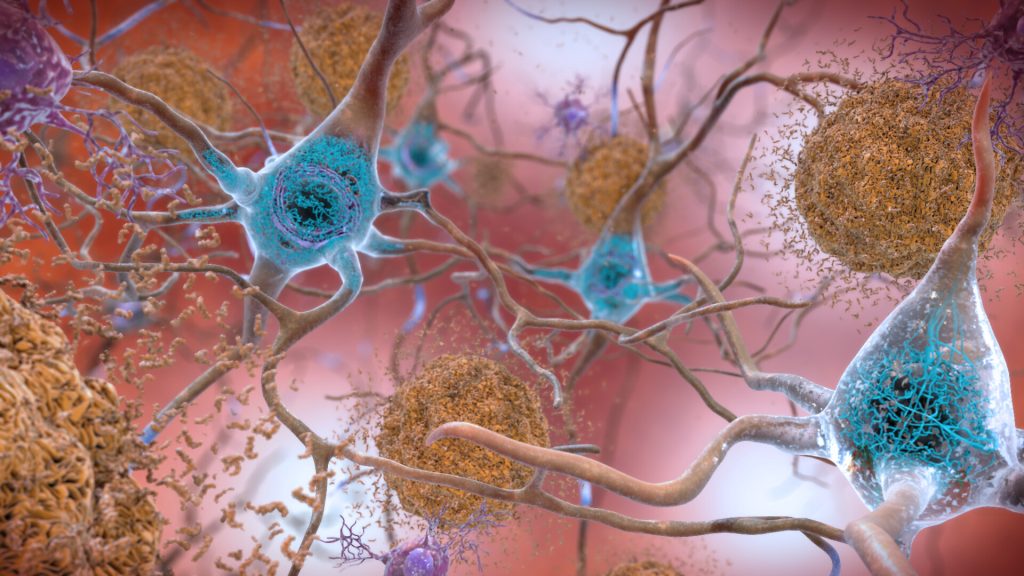
In the Alzheimer’s affected brain, abnormal levels of the beta-amyloid protein clump together to form plaques (seen in brown) that collect between neurons and disrupt cell function. Abnormal collections of the tau protein accumulate and form tangles (seen in blue) within neurons, harming synaptic communication between nerve cells.
Credit: National Institute on Aging, NIH

Researchers  at Tohoku University in Japan have identified a new treatment candidate that seems to not only halt but partially reverse neurodegenerative symptoms in mouse models of dementia and Alzheimer’s disease.

Kohji Fukunaga, professor emeritus in Tohoku University’s Graduate School of Pharmaceutical Sciences and paper author, said: “There are currently no disease-modifying therapeutics for neurodegenerative disorders such as Alzheimer’s disease, Lewy body dementia, Huntington disease and frontotemporal dementia in the world. We discovered the novel, disease-modifying therapeutic candidate SAK3, which, in our studies, rescued neurons in most protein-misfolding, neurodegenerative diseases.”

In previous work, the team found that the SAK3 molecule – the base structure of which is found in the enhancement of T-type Ca2+ channel activity – apparently improved memory and learning in a mouse model of Alzheimer’s disease.

SAK3 enhances the function of a cell membrane channel thereby promoting neuronal activity in the brain. Typically, SAK3 promotes neurotransmitter releases of acetylcholine and dopamine — neurotransmitters which are lowered in Alzheimer’s disease and Lewy body dementia. The Ca2+ channel enhancement is thought to trigger a change from resting to active in neuronal activity. When the Ca2+ channel is dysregulated in the brain, less acetylcholine and dopamine is released. Cognitive confusion and uncoordinated motor function arises from this dysregulated system.

SAK3 binds directly  to the subunit of this channel, enhancing neurotransmission and so improving cognitive deficits. The researchers found that the same process also seemed to work in a mouse model of Lewy body dementia, which is characterised by a buildup of proteins known as Lewy bodies.

“Even after the onset of cognitive impairment, SAK3 administration significantly prevented the progression of neurodegenerative behaviors in both motor dysfunction and cognition,” Prof Fukunaga said.

In comparison, Aduhelm, the Alzheimer’s drug recently approved by the US Food and Drug Administration, reduces the number of amyloid plaques in the brain, but whether the amyloid reduction actually prevents further cognitive or motor decline in patients is not yet known. According to Prof Fukunaga, SAK3 helps destroy amyloid plaque – at least in mice.

SAK3 also helps destroy misfolded alpha-synuclein, which normally helps regulate neurotransmitter transmission in the brain. The misfolded protein can aggregate, contributing to what researchers suspect may be an underlying cause of neurodegenerative symptoms. This aggregation can also cause loss of dopamine neurons, which are associated with learning and memory.

“We found that chronic administration of SAK3 significantly inhibited the accumulation of alpha-synuclein in the mice,” Prof Fukunaga said, noting that the mice received a daily oral dose of SAK3.

According to Prof Fukunaga, SAK3 enhances the activity of the system that identifies and destroys misfolded proteins. In neurodegenerative diseases, this system is often dysfunctional, leaving misfolded proteins to wreak havoc in the cell’s machinery.

“SAK3 is the first compound targeting this regulatory activity in neurodegenerative disorders,” Fukunaga said. “SAK3 administration promotes the destruction of misfolded proteins, meaning the therapeutic has the potential to solve the problems of diverse protein misfolding diseases such as Parkinson’s disease, Lewy body dementia and Huntington disease, in addition to Alzheimer’s disease.”

The team published their results in the International Journal of Molecular Sciences. This treatment candidate has been declared safe by Japan’s governing board, and the researchers are planning to start human clinical trials in the next year.

Source: Tohoku University

Journal information: Xu, J., et al. (2021) T-Type Ca2+ Enhancer SAK3 Activates CaMKII and Proteasome Activities in Lewy Body Dementia Mice Model. International Journal of Molecular Sciencesdoi.org/10.3390/ijms22126185.

Embryos Found to Reset Their Biological Age

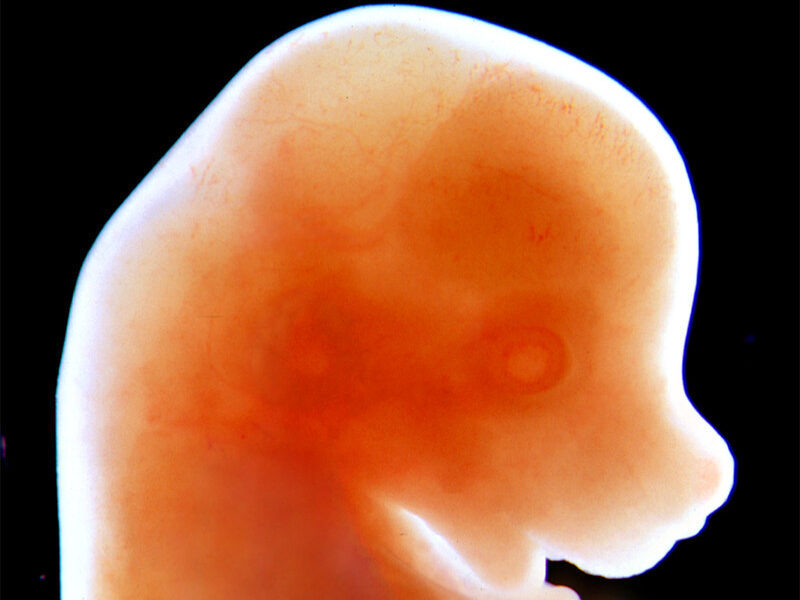
Craniofacial region of a 13-day old mouse embryo by transmitted light microscopy. Credit: Craig Rhodes and Kenneth Yamada, National Institute of Dental and Craniofacial Research, National Institutes of Health

A team of researchers have found evidence of mouse and human germline cells that suggest they can reset their biological age. 

As animals age, cell divisions run into replication errors and other external factors (such as exposure to pollutants) lead to gradual decay in cell quality; all of this is part of the natural ageing process. Eventually, cells become senescent and no longer able to divide in response to injury or wear and tear. In a new effort to understand this, researchers have found evidence that shows germline cells have a mechanism to effectively reset this process, enabling offspring to reset their ageing clocks.

Germline cells pass on genetic material from parent to offspring during the reproductive process. For many years, scientists have wondered why these cells do not inherit the age of their parents. And for many years, they assumed that the cells were ageless, but recent work has shown that they do, in fact, age. So that raised the question of how offspring are able to begin their lives with fresh cells.

To find out, the researchers at Brigham and Women’s Hospital and Harvard Medical School used molecular clocks to track the ageing process of mouse embryos. These clocks measure epigenetic changes in cells, and using them, the researchers continuously compare the biological age of embryos (apparent age based on reactions to epigenetic changes) with their chronological age. They found that the biological age of the mouse embryos remained constant through initial cell division after an egg was fertilised. However, about a week later, after embryo implantation in the uterus, the biological age of the embryos dropped. Some mechanism, it seems, had reset the biological age of the embryo back to zero.

Turning to human embryos, the team was unable to track ageing in human embryos because ethics rules forbid such research, but they still managed evidence suggesting that human embryos also reset their clocks. They plan to continue seeking the mechanism behind the reset process. The team’s findings were published in the journal Science Advances.

Source: Medical Xpress

Journal information: Csaba Kerepesi et al, Epigenetic clocks reveal a rejuvenation event during embryogenesis followed by aging, Science Advances (2021). DOI: 10.1126/sciadv.abg6082

New Way to Assess Immune Checkpoint Effectiveness

Chromosomes prepared from a malignant glioblastoma visualized by spectral karyotyping (SKY) reveal an enormous degree of chromosomal instability — a hallmark of cancer.
Credit: Thomas Ried, NCI Center for Cancer Research, National Cancer Institute, National Institutes of Health

Researchers have used a new machine learning and protein profiling system to identify vulnerabilities in glioblastomas and to assess immune checkpoint blockade treatment effectiveness.

Neoadjuvant immune checkpoint blockade (ICB) is a promising treatment for melanoma and other cancer types, and has recently been shown to provide a modest survival benefit for patients with recurrent glioblastoma. To improve the treatment efficacy, researchers are looking for vulnerabilities in surgically removed glioblastoma tissues, but this has been difficult due to the vast differences within the tumours and between patients.

To tackle this problem, researchers at Institute for Systems Biology (ISB) and their collaborators developed a new way to study tumours. The method builds mathematical models using machine learning-based image analysis and multiplex spatial protein profiling of microscopic compartments in the tumour.

The team used this approach to analyse and compare tumour tissues gathered from 13 patients with recurrent glioblastoma and 23 patients with high-risk melanoma. Both groups had been treated with neoadjuvant ICB. Using melanoma to guide the interpretation of glioblastoma analyses, they were able to identify the proteins that correlate with tumour-killing T cells, tumour growth, and immune cell-cell interactions.

Co-lead author Dr Yue Lu described the research : “This work reveals similarities shared between glioblastoma and melanoma, immunosuppressive factors that are unique to the glioblastoma microenvironment, and potential co-targets for enhancing the efficacy of neoadjuvant immune checkpoint blockade.”

“This framework can be used to uncover pathophysiological and molecular features that determine the effectiveness of immunotherapies,” added Dr Alphonsus Ng, co-lead author of the paper.

ISB, UCLA and MD Anderson collaborated on the study, the findings of which were published in Nature Communications. Brain cancer represents one of the toughest settings for immunotherapy success. Collaboration between scientists and clinicians provides a great opportunity for improving patient care and achieving a deep understanding of cancer immunotherapy.


“We believe that the integrated biological, clinical and methodological insights derived from comparing two classes of tumors widely seen as at the opposite ends of the spectrum with respect to immunotherapy treatments should be of interest to broad scientific and clinical audiences,” said corresponding author and ISB President, Dr Jim Heath.

Source: PRWeb

Journal information: Yue Lu et al, Resolution of tissue signatures of therapy response in patients with recurrent GBM treated with neoadjuvant anti-PD1, Nature Communications (2021). DOI: 10.1038/s41467-021-24293-4

World First in Vivo CRISPR Gene Editing Treatment

Image by liyuanalison from Pixabay

An intravenous CRISPR gene editing infusion lowered levels of a disease-causing protein in vivo for the first time in humans, according to interim findings from a phase I trial.

Hereditary (ATTR) amyloidosis is a rare, rapidly progressive disease caused by a mutation in the  serum transthyretin (TTR) gene that results in the buildup of misfolded transthyretin and leads to the formation of amyloid deposits in the heart, gastrointestinal tract, and peripheral nerves. Life expectancy is about 3 to 15 years after the onset of neuropathy.
Researchers used the DNA-editing tool CRISPR-Cas9 to inactivate the TTR gene in liver cells to prevent misfolded TTR protein from being produced. The liver produces almost all circulating TTR.

The treatment reduced TTR by 87% in three people with hereditary transthyretin (ATTR) amyloidosis with polyneuropathy. The findings were published in the New England Journal of Medicine.

“This is the first successful demonstration of therapeutic gene editing within patients’ bodies, making it a watershed moment in modern medicine,” noted Kiran Musunuru, MD, PhD, MPH, director of the Genetic and Epigenetic Origins of Disease Program at the University of Pennsylvania in Philadelphia, who was not involved with the study.

“The investigators used lipid nanoparticle technology — the same technology used in COVID mRNA vaccines — to deliver CRISPR into the liver, with the goal of turning down a gene responsible for hereditary ATTR amyloidosis,” Dr Musunuru told MedPage Today.

“What was astonishing about this first-in-human study is not just that the treatment worked, but that it worked extremely well in patients, in one case turning off the disease gene close to 100%. It’s like launching a rocket ship in the hope of just getting into orbit, but making it all the way to the moon on the first try.”

Previously, other studies have removed blood stem cells from people with sickle cell anaemia and beta-thalassemia, editing them using CRISPR, and infusing them back into patients. In a trial of people with inherited blindness, a subretinal injection also has delivered CRISPR treatment.
Towever, the findings of NTLA-2001 represent the “first-ever clinical data suggesting that we can precisely edit target cells within the body to treat genetic disease with a single intravenous infusion of CRISPR,” noted John Leonard, MD, president and CEO of Intellia Therapeutics, which co-sponsored the trial with Regeneron Pharmaceuticals.

“Solving the challenge of targeted delivery of CRISPR-Cas9 to the liver, as we have with NTLA-2001, also unlocks the door to treating a wide array of other genetic diseases with our modular platform, and we intend to move quickly to advance and expand our pipeline,” said Dr Leonard in a statement.

NTLA-2001 is based on the clustered regularly interspaced short palindromic repeats and associated Cas9 endonuclease (CRISPR-Cas9) system. It consists of a lipid nanoparticle encapsulating messenger RNA for Cas9 protein and a single guide RNA targeting TTR.

The ongoing phase I study looked at safety and pharmacodynamic effects of single doses of NTLA-2001 in six patients with hereditary ATTR amyloidosis with polyneuropathy. Half received 0.1 mg/kg, the other received 0.3 mg/kg.
Three patients had a p.T80A mutation, two a p.S97Y mutation, and one a p.H110D mutation. Three patients received no prior therapy; three previously had received diflunisal.

Dose-dependent reductions in serum TTR were seen from treatment with NTLA-2001. At day 28, mean serum TTR levels declined by 52% in the 0.1 mg/kg group and by 87% in the 0.3 mg/kg group. No serious adverse events were recorded.

Two treatments for hereditary ATTR amyloidosis nerve pain won FDA approval in 2018: patisiran (Onpattro), an RNA interference drug, and inotersen (Tegsedi), an RNA-targeting drug that reduces the production of TTR protein.

The NTLA-2001 study could have profound clinical implications, noted Joel Buxbaum, MD, of Scripps Research Institute in La Jolla, California, who was not involved with the study. “If, as the authors surmise, the effect is permanent, and without off-target effects when studied in a much larger patient population, it would be a significant improvement [over] current therapies for this class of disorders, at least with respect to frequency of therapy,” he said.

“However, all that depends on the clinical effect of long-term suppression of hepatic TTR synthesis,” Buxbaum told MedPage Today. “In the published studies of the various currently available ATTR therapeutics, approximately one-third of subjects have little or no clinical response, regardless of the degree of suppression of circulating protein levels, suggesting that while diminishing the supply side for TTR aggregation is likely to be necessary for clinical responsiveness, it may not be sufficient for optimal or profound therapeutic efficacy.”

After phase I studies are complete, the company plans to move forward to pivotal studies for both polyneuropathy and cardiomyopathy manifestations of ATTR amyloidosis.

Source: MedPage Today

Journal information: Gillmore JD, et al “CRISPR-Cas9 in vivo gene editing for transthyretin amyloidosis” N Engl J Med 2021; DOI: 10.1056/NEJMoa2107454.

Upgrade to FFP3 Face Mask Dramatically Cuts Infections

Photo by Artem Podrez from Pexels

Upgrading face masks to filtering face piece (FFP3) respirators for healthcare workers on COVID wards produced a dramatic reduction in hospital acquired SARS-CoV-2 infections, according to a preliminary study published in the BMJ.

For most of 2020, Cambridge University Hospitals NHS Foundation Trust followed national guidance that healthcare workers should use fluid resistant surgical masks as respiratory protective equipment unless aerosol generating procedures (AGPs) were being carried out when FFP3 respirators were advised.

From the pandemic’s outset, the trust has been regularly screening its healthcare workers for SARS-CoV-2 even when asymptomatic. They found that healthcare workers on “red” COVID wards had a greater infection risk than staff on “green” wards, even with protective equipment. So in December 2020 the trust implemented a change in policy so that staff on red wards wore FFP3 masks instead of fluid resistant surgical masks. The FFP3 standard requires that masks filter 99% of all particles measuring up to 0.6 μm.

The study was carried out at Addenbrooke’s Hospital in Cambridge. Before the change in policy, cases among staff were higher on COVID versus non-COVID wards in seven out of eight weeks analysed. Following the change in protective equipment the incidence of infection on the two types of ward was similar. Of 609 positive results over the eight week study period, 169 were included in the study. Healthcare workers who were not ward based or worked between different wards were excluded, as were, non-clinical staff, and staff working in critical care areas.

The researchers developed a simple mathematical model to quantify the risk of infection for healthcare workers. This found that the risk of direct infection from working on a red ward prior to the policy change was 47 times greater than the corresponding risk from working on a green ward. While almost all cases on green wards were likely caused by community-acquired infection, cases on red wards at the beginning the study period were attributed mainly to direct, ward-based exposure.

The model also suggested that the introduction of FFP3 respirators provided 100% protection (confidence interval 31.3%, 100%) protection against direct, ward based covid infection.

Study author Chris Illingworth, from the MRC Biostatistics Unit at the University of Cambridge, said: “Before the face masks were upgraded, the majority of infections among healthcare workers on the COVID wards were likely because of direct exposure to patients with COVID. Once FFP3 respirators were introduced, the number of cases attributed to exposure on COVID wards dropped dramatically—in fact, our model suggests that FFP3 respirators may have cut ward based infection to zero.”

Michael Weekes from the department of medicine at the University of Cambridge added: “Our data suggest there’s an urgent need to look at the PPE offered to healthcare workers on the frontline. Upgrading the equipment so that FFP3 masks are offered to all healthcare workers caring for patients with COVID could reduce the number of infections, keep more hospital staff safe, and remove some of the burden on already stretched healthcare services caused by absence of key staff because of illness.”

Source: The BMJ

Journal information: BMJ 2021;373:n1663

The Emerging Treatment-resistant Fungus Threat

Professor Rodney E. Rohde, a public health and clinical microbiology expert at Texas State University, warned in article for The Conversation of the growing threat of fungal resistance — a problem drawing much less attention than antibiotic resistance. 

 Athlete’s foot, thrush, ringworm and other ailments are caused by fungi, and some are serious risks to health and life. Among these is Candida auris, a pathogenic fungus. Fungi generally have not caused major disease, so there is a lack of funding in this area and there are limited antifungal agents that can treat C. auris.

Most fungal infections around the world are caused by the genus Candida, particularly the species called Candida albicans. But there are others, including Candida auris, which gets its name ‘auris’, Latin for ear, because it was first identified from an external ear canal discharge in 2009.

Candida normally lives on the skin and inside the body, such as in the mouth, throat, gut and vagina, without causing any problems. It exists as a yeast and is thought of as normal flora, harmless microbes. However when the body is immuno-compromised, these fungi become opportunistic pathogens, something happening around the world with multidrug-resistant C. auris.

The threat of Candida auris

C. auris infections, or fungaemia, have been reported in 30 or more countries. They are often found in the blood, urine, sputum, ear discharge, cerebrospinal fluid and soft tissue, and occur in people of all ages. According to the US Centers for Disease Control, the mortality rate in the US has been reported to be between 30% to 60% in many patients who had other serious illnesses. In a 2018 review of research on the global spread of the fungus, researchers estimated mortality rates of 30% to 70% in C. auris outbreaks among critically ill patients in intensive care.

Recent surgery, diabetes and broad-spectrum antibiotic and antifungal use are risk factors. Furthermore, immuno-compromised patients are at greater risk than those with healthy immune systems.

C. auris can be difficult to identify with conventional microbiological culture techniques, which leads to frequent mis-identification and under recognition. This yeast is also known for its tenacity to easily colonise the human body and environment — including medical devices. People in nursing homes and patients with catheters, on ventilation etc seem to be at highest risk.

The CDC has set C. auris infections at an “urgent” threat level because 90% are resistant to at least one antifungal, 30% to two antifungals, and there are some resistant to all three available classes of antifungals. This multidrug resistance has led to outbreaks in health care settings, especially hospitals and nursing homes, that are extremely difficult to control.

The double threat of COVID and C. auris

For hospitalised COVID patients, antimicrobial-resistant infections may be a particularly devastating risk. The mechanical ventilators often used to treat serious COVID are breeding grounds and highways for entry of environmental microbes like C. auris. Further, according to a September 2020 paper, hospitals in India treating COVID have detected C. auris on surfaces including “bed rails, IV poles, beds, air conditioner ducts, windows and hospital floors.” The researchers termed the fungus a “lurking scourge” amid the COVID pandemic. Termed ‘white fungus’, these fungal infections typically arise a week to 10 days after being in the ICU.

The same authors reported in a November 2020 CDC article that of 596 COVID-confirmed patients in a New Delhi ICU from April 2020 to July 2020, 420 patients required mechanical ventilation. Of these, 15 were infected with candidemia fungal disease and eight of those infected (53%) died. Ten of the 15 patients were infected with C. auris; six of them died (60%).

How to deal with this?

With fewer and fewer antifungal options,  CDC is recommending a focus on preventing C. auris infections. This involves better hand hygiene and improving infection prevention and control in medical care settings, judicious and thoughtful use of antimicrobial medications, and stronger regulation limiting the over-the-counter availability of antibiotics.

Source: The Conversation

Journal information: Anuradha Chowdhary et al, The lurking scourge of multidrug resistant Candida auris in times of COVID-19 pandemic, Journal of Global Antimicrobial Resistance (2020). DOI: 10.1016/j.jgar.2020.06.003