

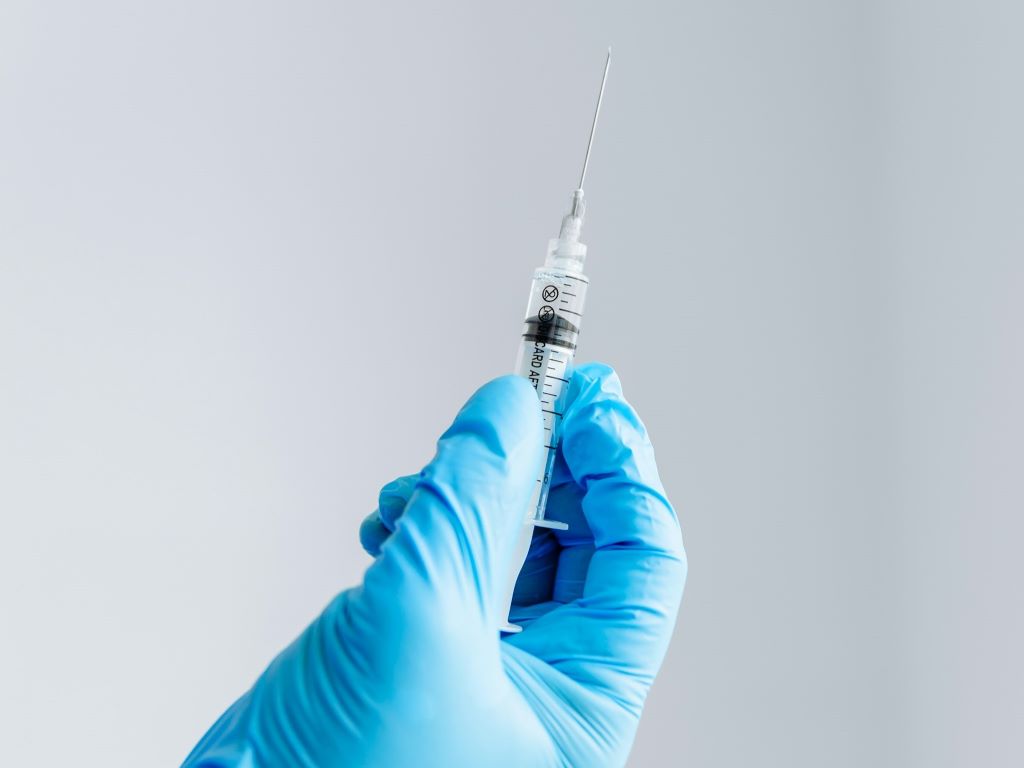
In South Africa, where the burden of HIV remains high, women living with HIV face a disproportionately increased risk of cervical cancer, around six times higher than women without HIV. This heightened risk is driven by persistent infection with high‑risk strains of human papillomavirus (HPV). In settings where access to HPV vaccination, cervical screening and treatment is uneven, the impact on women’s health and lives is profound.
New research published in The Lancet Global Health provides the first population‑level evidence globally that a national HPV vaccination programme can be highly effective in a high HIV‑prevalence setting. The study was led by researchers from Wits RHI at the University of the Witwatersrand in partnership with the Kirby Institute (University of New South Wales).
The study evaluated South Africa’s free, school‑based national HPV vaccination programme, introduced in 2014, which offers HPV vaccination to girls in Grade 4 (aged nine years and older) attending public schools across the country. Crucially, the research assessed vaccine impact among adolescent girls and young women both living with HIV and without HIV, reflecting the realities of South Africa’s dual HIV and cervical cancer burden.
Until now, most evidence on HPV vaccine effectiveness in people living with HIV has come from studies where vaccination occurred after HIV infection, often after exposure to HPV and in the presence of immune suppression. This South African study, led by Professor Sinead Delany-Moretlwe at Wits RHI, Director of Research, is the first to demonstrate the real‑world impact of vaccination delivered early, before most girls are exposed to HPV, within a national public‑health programme in a high HIV‑burden context.
The findings show that the HPV vaccine provides excellent protection, including among girls living with HIV. Researchers observed substantial reductions in vaccine‑type HPV infections, demonstrating that high‑coverage HPV vaccination programmes can deliver strong population‑level benefits, even in settings with widespread HIV.
“For the first time, we can demonstrate at a population level that HPV vaccination delivered early, through a national public programme, provides excellent protection in a high HIV‑prevalence setting. This is a major public‑health success for South Africa and sends a clear message globally: investing in early, school‑based HPV vaccination can dramatically reduce future cervical cancer risk, including among girls living with HIV,” said Professor Sinead Delany-Moretlwe.
These results have major global implications. They reinforce the critical importance of early, school‑based HPV vaccination and provide compelling evidence for countries, particularly those with high HIV prevalence, to implement and sustain national HPV vaccination programmes. Such programmes have the potential to dramatically reduce cervical cancer risk, improve women’s health outcomes, and ultimately save lives worldwide.
