

Even when controlling for age and family background, COVID’s impact was evident
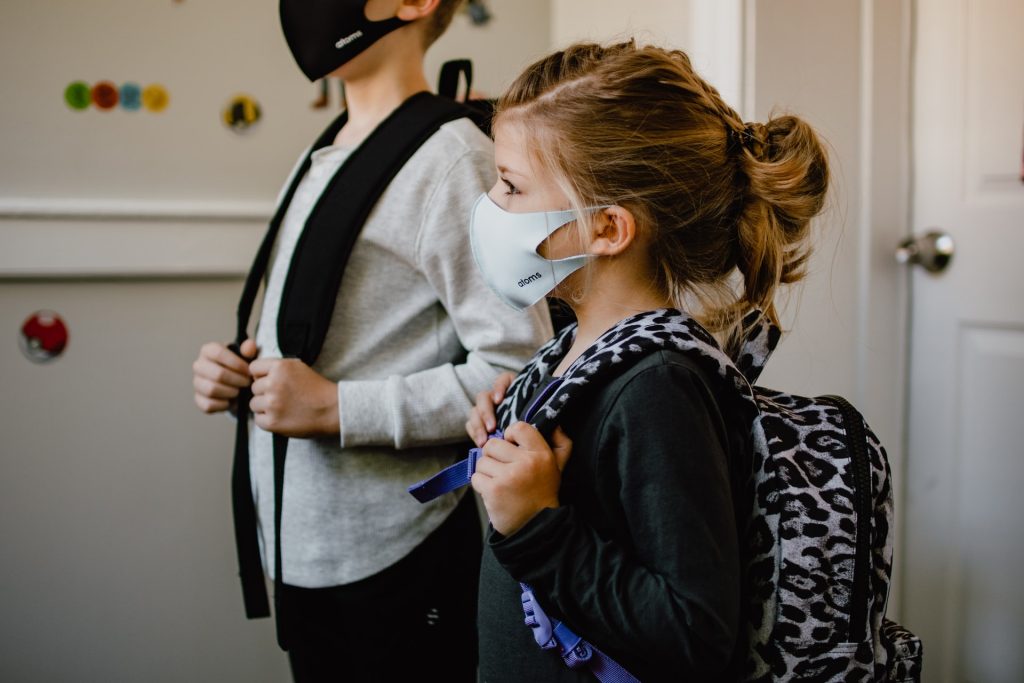
The COVID pandemic disrupted children’s ability to self-regulate, according to research from three UK universities just published in the journal Child Development.
The study by Lancaster University, East Anglia and Durham reveals that the pandemic hampered children’s ability to regulate their behaviour, stay focused and adapt to new situations – skills known collectively as executive functions.
The greatest impact was seen among pupils who were in reception when the first lockdowns began – a crucial stage at four or five when youngsters normally learn to socialise, follow routines and navigate the busy world of the classroom. Primary school in the UK then begins at Grade 1, starting at age five or six.
These children showed less growth in their self-regulatory and cognitive flexibility scores over time compared to a second group of children who were in preschool when the pandemic started.
The research team say these children may still be feeling the effects years later.
How the research happened
Scientists were already running a long-term study tracking youngsters from toddlerhood to early school years when the COVID pandemic hit.
They followed 139 children aged between two-and-a-half and six-and-a-half years old over several years, including 94 families who joined the study before Covid struck.
This meant that they had a rare baseline of children’s abilities before the pandemic began, which allowed them to track exactly how development changed during and after the lockdowns.
Using a standardised assessment called the Minnesota Executive Function Scale, they were able to measure the same cognitive skills at regular intervals.
Dr Eleanor Johns from Lancaster University’s Department of Psychology said: “We began this study to understand how children’s executive function develops across early childhood, and we saw clear, steady growth between 2.5 and 6.5 years of age. However, because our longitudinal study spanned the COVID-19 pandemic, we also had a unique opportunity to examine how this unprecedented disruption affected the children we were already following.
“We found that children who had just started school when the first lockdown began showed a slower rate of growth in executive function compared to those who were preschool age. Starting school is a major developmental transition, as children learn new routines, adapt to classroom rules, and develop self-regulation alongside their peers. When schools closed almost overnight, those opportunities were suddenly removed.”
The research revealed that:
- Individual differences in executive function abilities were remarkably stable. Children who had stronger skills at two-and-a-half years old tended to remain ahead at six-and-a-half years.
- Children from lower socio-economic households consistently scored lower, echoing long-standing research on the impact of maternal education and home environment.
- Even when controlling for age and family background, COVID’s impact was evident. Children who were in reception at the start of the pandemic made more modest improvements in executive function compared to those still in preschool.
Dr Johns said: “Our findings suggest that the structured school environment and regular interaction with peers play a crucial role in supporting the development of executive function. When those experiences were disrupted, children’s executive function developed more slowly than that of younger children who were still in preschool.”
The researchers say their work highlights a generation of children who may need more support from teachers, schools and health services in coming years.
Sources: Lancaster University and University of East Anglia
