
Tag: hair transplant

Hair Transplants 101: The Journey to Successful Hair Restoration

Your guide to safe, effective, and natural hair restoration in 2026

Hair restoration is one of the fastest-growing aesthetic procedures worldwide. The International Society of Hair Restoration Surgery (ISHRS) reports hundreds of thousands of procedures performed globally each year, with demand climbing steadily. As more people seek confidence-boosting solutions to start the new year, South African specialists warn that choosing the wrong clinic can turn a life-changing decision into lasting damage.

Dr Kashmal Kalan, Medical Director at Alvi Armani South Africa, explains: “January brings a sense of renewal. Many people reassess their goals, and hair restoration has become one of the most transformative ways to invest in yourself. It’s no longer just about fitness or weight loss – hair and skin now play a central role in personal confidence.”

A successful hair restoration journey begins long before the procedure and continues well beyond it. At Alvi Armani, every patient undergoes a thorough, personalised consultation. The team evaluates hair loss patterns, donor density, scalp condition, hair type, and personal goals. Advanced AI-assisted microscopic analysis helps ensure patients are suitable and that the procedure is planned for optimal, natural results.

On procedure day, patients enter a calm, controlled environment. Hairline design is finalised, Follicular Unit Extraction (FUE) is performed with precision, and grafts are implanted to follow the natural flow of hair. Recovery is gradual, with initial shedding giving way to new growth. Density and texture refine over 12-18 months, and ongoing check-ins ensure progress stays on track.

Hairline design is the most artistic aspect of the process. Age, facial symmetry, ethnicity, and donor capacity all influence the final outcome. “We aim for perfection within imperfection. The goal is a hairline that complements the face naturally. No one should be able to tell a transplant took place.”

Strategic density planning is equally critical. Every follicle in the donor area is finite, and poor planning can create gaps or thin patches. This can leave permanent aesthetic imbalance. Reputable clinics plan for decades, not just the first few months. Patients should also understand that growth is gradual, and progressive hair loss may require more than one procedure to achieve the desired result.

Alvi Armani ensures every procedure is doctor-led and supported with ongoing care, including stabilisation medications, regenerative therapies, and annual check-ups. Dr Kalan cautions against so-called “dark clinics” offering prices too good to be true, often operating in unhygienic or mobile facilities. “These clinics treat hair restoration as a commodity rather than medicine. They overharvest donor areas, produce unnatural results, and leave patients needing urgent repairs. Repair procedures now make up roughly a quarter of our cases.”

Beyond procedural excellence, Alvi Armani educates patients on lifestyle choices that support lasting results, from nutrition and scalp care to ongoing therapies. While the process requires patience, the rewards – confidence, natural appearance, and the security of a clinic that plans carefully for the future – make it worthwhile.

For anyone considering hair restoration in 2026, the advice is clear: invest in quality from the start. With the right clinic, personalised planning, and medical oversight, patients can achieve safe, natural results that endure for years to come.
Dark Clinics, Real Risks: The Hidden Dangers of Illegal Hair Transplants in South Africa

Infections, scarring, and even death are lurking behind slick ads

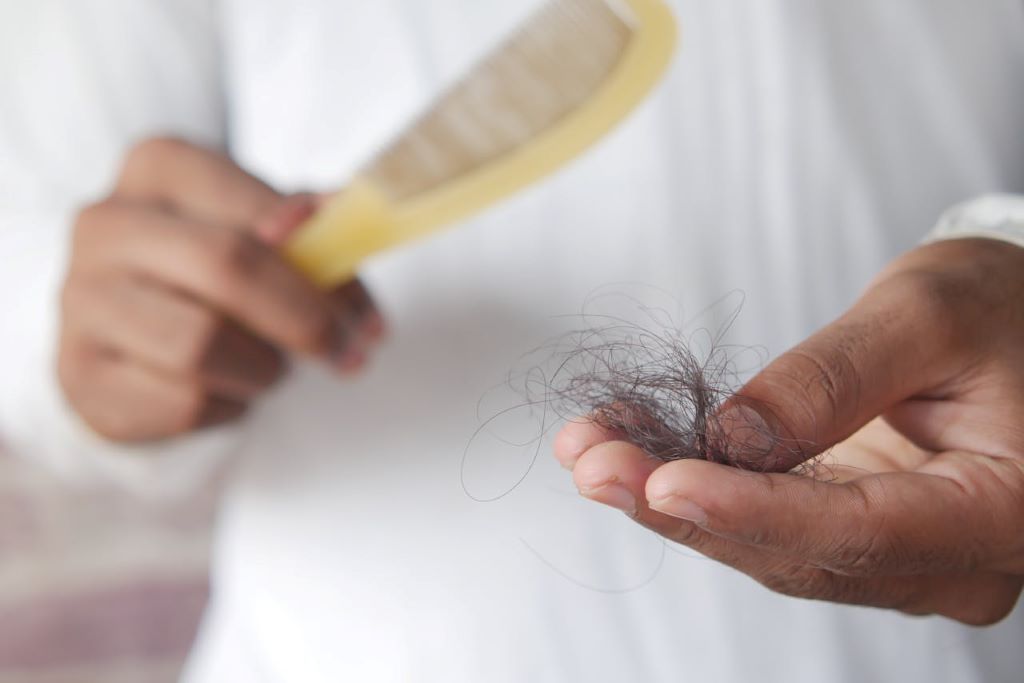
Photo by Towfiqu barbhuiya

In a tiny back room, with outdated instruments and no doctor in sight, a “hair transplant” begins. Weeks later, patients arrive at legitimate clinics with infections that won’t heal, patchy or missing hair, and permanent scarring – some even with necrotic tissue. This isn’t just happening abroad in countries like Turkey and Pakistan; South Africa has its own growing underground hair transplant industry: the so-called “dark clinics”.

These clinics operate everywhere. In mobile setups, or purely online. Many are run by unlicensed practitioners who are far from registered doctors. Many staff aren’t even legally allowed to work in the country. Regulation is patchy. Enforcement is almost impossible given that they operate for a few weeks and then disappear. And the people who pay the price? Everyday men and women desperate to fix hair loss but who are unable to afford quality and safety.

“Most people have no idea what they’re walking into when visiting one of these clinics,” says Dr Kashmal Kalan, Medical Director at Alvi Armani South Africa. “We see patients quite often who come to us after unsatisfactory or botched procedures. And yes, some cases are life-threatening. These clinics operate with no oversight, no hygiene protocols, and zero accountability.”

The harm isn’t just cosmetic. Rogue clinics routinely cut corners. Non-medical staff perform invasive procedures. Sterile instruments? Often non-existent. Infection control? Minimal. Follow-up care? None. Patients are sometimes rushed into procedures without proper consent, unaware of realistic outcomes or potential complications. What starts as a “cheap deal” can quickly spiral into months of medical interventions, emotional trauma, revision surgeries, and financial strain.

Dr Kalan explains the lure: “These clinics play on insecurity, urgency, and the desire for fast results. Social media and online payments make it easy for unqualified operators to reach people. Most patients don’t ask the hard questions. They only learn the truth when it’s too late. One patient described it as the worst mistake of his life – a promise of transformation that turned into months of pain, scarring, and regret.”

Hard truths: Red flags to watch out for

A legitimate clinic is open, accountable, and transparent. Dark clinics thrive on secrecy, pressure tactics, and the promise of cheap shortcuts. Patients must ask:

  1. Is the surgeon fully qualified, licensed, and registered in South Africa?
    • Do they have a valid Health Professions Council of South Africa (HPCSA) license? Are they legally allowed to practice in South Africa?
  2. Which technique will be used and why?
    • Follicular Unit Extraction (FUE), Follicular Unit Transplantation (FUT), Direct Hair Implantation (DHI) – what’s suitable for your hair type and hair-loss pattern?
  3. How many grafts will I need, and what can I realistically expect?
    • Outcomes depend on donor area, hair quality, and pattern of hair loss.
  4. What are the risks, and how are they managed?
    • Infection control, emergency protocols, and complication plans must be clear.
  5. What aftercare is in place?
    • Who monitors healing? How frequent are follow-ups? Can you contact someone if there’s a problem?
  6. Can I see genuine before-and-after photos?
    • Photos must be comparable, real, and relevant to your hair type.
  7. Is the clinic accredited and registered with the relevant health authority?
    • The facility must be sterile, clean, and transparent.

Regulators such as the HPCSA and The South African Health Products Regulatory Authority (SAHPRA) try to police illegal clinics, but dark clinics operate under the radar – changing locations, staff, and online presence frequently, creating a perfect storm of vulnerability.

The only safe route: choose a qualified, certified, and accountable practitioner. Look for transparency, credentials, consultations, and thorough aftercare. Ask questions.

Dr Kalan warns: “Do your homework. Don’t chase the cheapest option. Cheap shortcuts in cosmetic procedures are rarely worth it. Your hair can be restored safely, but the damage from a dark clinic? That can scar you for life.”

Transplanted Hair Follicles Successfully Reduced Scars

Photo by Diana Polekhina on Unsplash

By treating skin scars in three volunteers with hair follicle transplants, researchers found that the scarred skin began to behave more like uninjured skin. According to the results published in Nature Regenerative Medicine, the scarred skin harboured new cells and blood vessels, remodelled collagen to restore healthy patterns, and even expressed genes found in healthy unscarred skin.

The findings could lead to better treatments for scarring both on the skin and inside the body, leading to hope for patients with extensive scarring, which can impair organ function and cause disability.

Lead author Dr Claire Higgins, of Imperial’s Department of Bioengineering, said: “After scarring, the skin never truly regains its pre-wound functions, and until now all efforts to remodel scars have yielded poor results. Our findings lay the foundation for exciting new therapies that can rejuvenate even mature scars and restore the function of healthy skin.”

Hope in hair

Scar tissue in the skin lacks hair, sweat glands, blood vessels and nerves, impairing temperature regulation and sensation. Scarring can also hinder movement as well as potentially causing discomfort and emotional distress.

Compared to scar tissue, healthy skin undergoes constant remodelling by the hair follicle. Hairy skin heals faster and scars less than non-hairy skin- and hair transplants had previously been shown to aid wound healing. Inspired by this, the researchers hypothesised that transplanting growing hair follicles into scar tissue might induce scars to remodel themselves.

To test their hypothesis, Imperial researchers worked with Dr Francisco Jiménez, lead hair transplant surgeon at the Mediteknia Clinic and Associate Research Professor at University Fernando Pessoa Canarias, in Gran Canaria, Spain. They transplanted hair follicles into the mature scars on the scalp of three participants in 2017. The researchers selected the most common type of scar, called normotrophic scars, which usually form after surgery.

They took and microscope imaged 3mm-thick biopsies of the scars just before transplantation, and then again at two, four, and six months afterwards.

The researchers found that the follicles inspired profound architectural and genetic shifts in the scars towards a profile of healthy, uninjured skin.

Dr Jiménez said: “Around 100 million people per year acquire scars in high-income countries alone, primarily as a result of surgeries. The global incidence of scars is much higher and includes extensive scarring formed after burn and traumatic injuries. Our work opens new avenues for treating scars and could even change our approach to preventing them.”

Architects of skin

After transplantation, the follicles continued to produce hair and induced restoration across skin layers.

Scarring causes the epidermis to thin out, leaving it vulnerable to tears. At six months post-transplant, the epidermis had doubled in thickness alongside increased cell growth, bringing it to around the same thickness as uninjured skin.

The next skin layer down, the dermis, is populated with connective tissue, blood vessels, sweat glands, nerves, and hair follicles. Scar maturation leaves the dermis with fewer cells and blood vessels, but after transplantation the number of cells had doubled at six months, and the number of vessels had reached nearly healthy-skin levels by four months. This demonstrated that the follicles inspired the growth of new cells and blood vessels in the scars, which are unable to do this unaided.

Scarring also increases the density of collagen fibres, causing them to align and make the scar stiffer. The hair transplants reduced the fibre density, allowing them to form a healthier, ‘basket weave’ pattern, which reduced stiffness – a key factor in tears and discomfort.

The authors also found that after transplantation, the scars expressed 719 genes differently to before. Genes that promote cell and blood vessel growth were expressed more, while genes that promote scar-forming processes were expressed less.

Underling mechanism still unknown

It is not known how exactly the transplants brought about the change. Having of a hair follicle in the scar was cosmetically acceptable for the participants as the scars were on the scalp. The researchers are now working to uncover the underlying mechanisms so they can develop therapies that remodel scar tissue towards healthy skin, without the hair follicle transplant. They can then test their findings on non-hairy skin, or on organs like the heart, which can suffer scarring after heart attacks, and the liver, which can suffer scarring through fatty liver disease and cirrhosis.

Dr Higgins said: “This work has obvious applications in restoring people’s confidence, but our approach goes beyond the cosmetic as scar tissue can cause problems in all our organs.

“While current treatments for scars like growth factors focus on single contributors to scarring, our new approach tackles multiple aspects, as the hair follicle likely delivers multiple growth factors all at once that remodel scar tissue. This lends further support to the use of treatments like hair transplantation that alter the very architecture and genetic expression of scars to restore function.”

Source: Imperial College London