Disagreement Between Two Kidney Function Tests Predicts Disease Risk
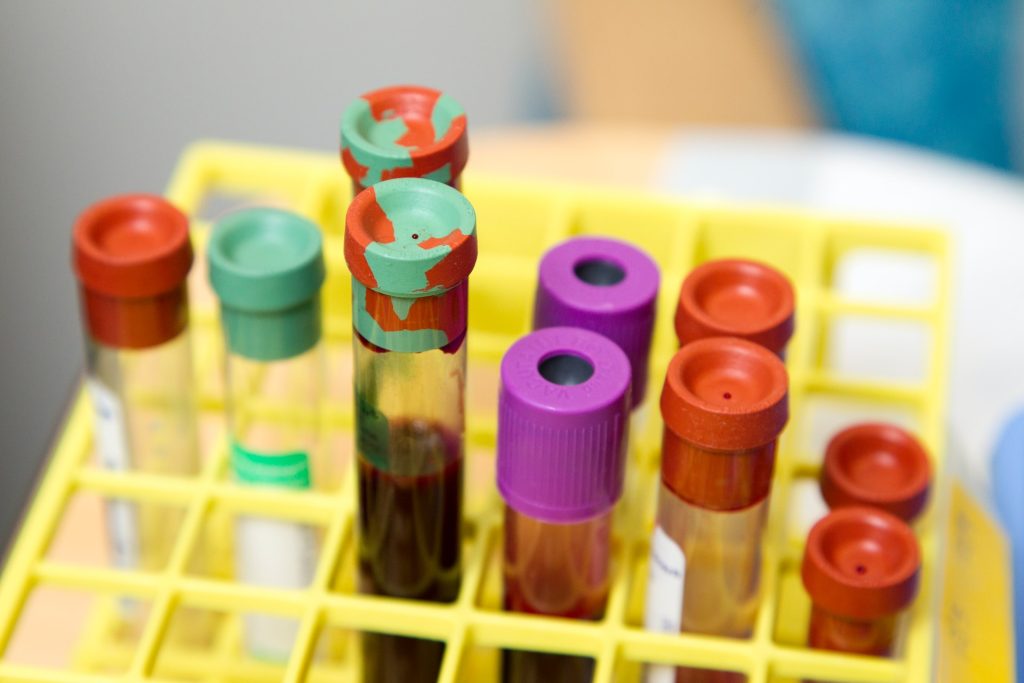
A mismatch between two common tests for kidney function may indicate a higher risk for kidney failure, heart disease, and death, a new study shows.
Healthcare providers for decades have measured blood levels of creatinine to track the rate at which kidneys filter waste from muscle breakdown in the bloodstream. According to more recent guidelines, levels of cystatin C, a small protein made by all cells in the body, can also be used to measure kidney function. Since these two tests are influenced by different factors – including some related to disease or aging – using both markers together can provide a better measure of kidney function and risk of organ failure than either one alone.
Led by NYU Langone Health researchers, the new work reveals that many people, especially those who are sick, often have a large gap between the two readings, which may be a signal of future disease. Specifically, the global study shows that more than a third of hospitalised participants had a cystatin C-based readout of kidney function that was at least 30% lower than one based on their creatinine levels.
“Our findings highlight the importance of measuring both creatinine and cystatin C to gain a true understanding of how well the kidneys are working, particularly among older and sicker adults,” said study co-corresponding author Morgan Grams, MD, PhD. “Evaluating both biomarkers may identify far more people with poor kidney function, and earlier in the disease process, by covering the blind spots that go with either test.”
The study published online November 7 in the Journal of the American Medical Association and is simultaneously being presented at the American Society of Nephrology’s annual Kidney Week conference.
Beyond detecting signs of disease, assessing patients’ kidney function is important for calculating the appropriate dosage for cancer medicines, antibiotics, and many other drugs, says Dr Grams, Professor of Medicine at the NYU Grossman School of Medicine.
During another investigation, the results of which were published the same day, the same research team found that a record number of people worldwide have chronic kidney disease, which is now the ninth leading cause of death globally. Having new ways to spot the condition early can help ensure that patients receive swift treatment and avoid more-dramatic interventions such as dialysis and organ transplantation, says Dr Grams.
For the recent investigation, the research team analysed healthcare records, blood tests, and demographic data collected from 860, 66 men and women of a half-dozen nationalities. All participants had their creatinine and cystatin C levels measured on the same day and received follow-ups 11 years later, on average. The team considered factors unrelated to kidney function that influence the biomarkers’ readings, such as smoking, obesity, and history of cancer.
Performed as part of the international Chronic Kidney Disease Prognosis Consortium, the study is the largest to date to explore differences between the two tests and whether they may signal potential health problems, the authors say. Established to better understand and treat the condition, the consortium provides evidence for global definitions of chronic kidney disease and related health risks.
According to the new findings, those whose cystatin C-based measures of kidney filtration were at least 30% lower than their creatinine-based measures were at higher risk for death, heart disease, and heart failure than those who had a smaller difference between the two metrics. The former group was also more likely to be diagnosed with severe chronic kidney disease that required dialysis or an organ transplant. The same was found for 11% of outpatients and seemingly healthy volunteers.
Dr. Grams notes that while cystatin C testing was first recommended in 2012 by the international organization Kidney Disease—Improving Global Outcomes, a 2019 survey revealed that less than 10 percent of clinical laboratories in the United States performed it in-house. The two largest laboratories, Quest Diagnostics and Labcorp, now offer the test.
“These results underscore the need for physicians to take advantage of the fact that more hospitals and healthcare providers are starting to offer cystatin C testing,” said study co-corresponding author Josef Coresh, MD, PhD, director of NYU Langone’s Optimal Aging Institute. “Physicians might otherwise miss out on valuable information about their patients’ wellbeing and future medical concerns.”
Dr Coresh cautions that among the hospitalised Americans in the study, less than 1% were tested for cystatin C.
Source: NYU Langone Health