Junk Food Impacts Bone Growth in Kids
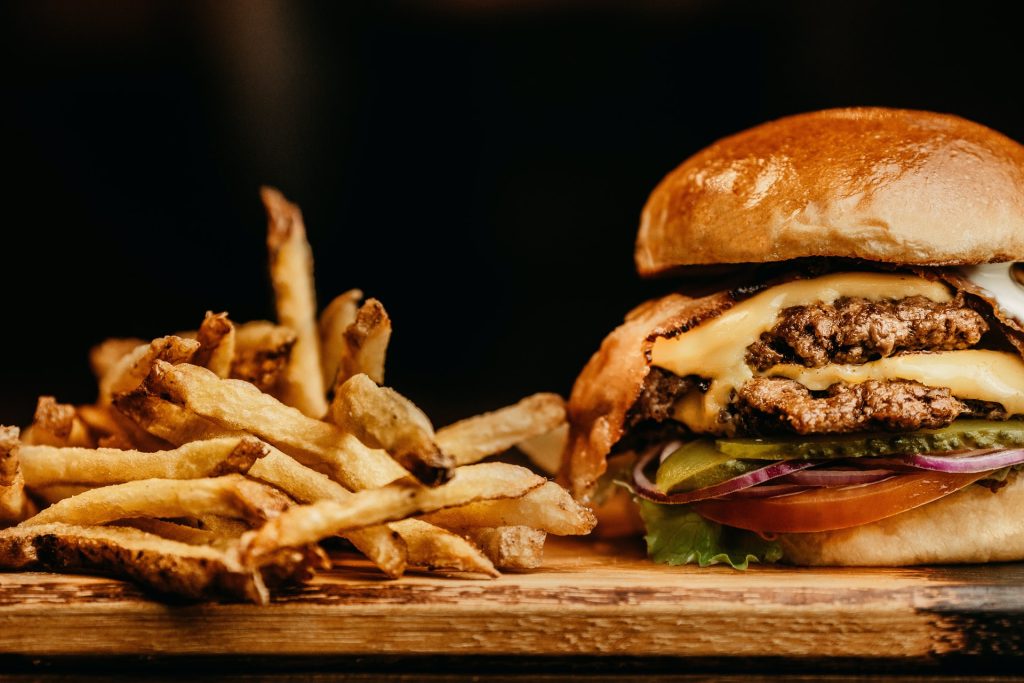
A new study has found that ultra-processed foods (aka junk food) impacts bone quality, showing how damaging these can be especially in younger children.
The Hebrew University study provides the first comprehensive analysis showing the manner in which such foods impact skeletal development.
Junk foods go through many processing stages, and contain non-dietary ingredients. They are easily accessible, can be eaten without preparation and fairly cheap, and their increasing presence in diets is contributing to worldwide obesity with its associated metabolic impacts.
Children tend to like junk food. As much as 70% percent of their caloric consumption are estimated to come from ultra-processed foods. While numerous studies have reflected on the overall negative impact of junk food, few have focused on its direct developmental effects on children, particularly young children.
Studying lab rodents with skeletons in post embryonic growth stages, they found that those exposed to ultra-processed foods suffered from stunted growth and compromised bone strength. With histological examination, high levels of cartilage were found in the epiphyseal plates at the end of bones. The RNA genetic profiles of cartilage cells exposed to ultra-processed food also showed signs of impaired boned development.
In order to understand how eating habits might impact bone development, the researchers replicated this kind of food intake for the rodents. “We divided the rodents’ weekly nutritional intake—30% came from a ‘controlled’ diet, 70% from ultra-processed foods,” said Monsonego-Ornan. They found that the rodents experienced bone density moderate damage though there were fewer signs of cartilage buildup in their growth plates. “Our conclusion was that even in reduced amounts, the ultra-processed foods can have a definite negative impact on skeletal growth.”
Children and adolescents eat junk foods in great quantities, with half of American minors eating junk food daily. Monsonego-Ornan added. “When Carlos Monteiro, one of the world’s leading experts on nutrition, said that there is no such thing as a healthy ultra-processed food, he was clearly right. Even if we reduce fats, carbs nitrates and other known harmful substances, these foods still possess their damaging attributes. Every part of the body is prone to this damage and certainly those systems that remain in the critical stages of development.”
Source: Medical Xpress
Journal information: Janna Zaretsky et al. Ultra-processed food targets bone quality via endochondral ossification, Bone Research (2021). DOI: 10.1038/s41413-020-00127-9