

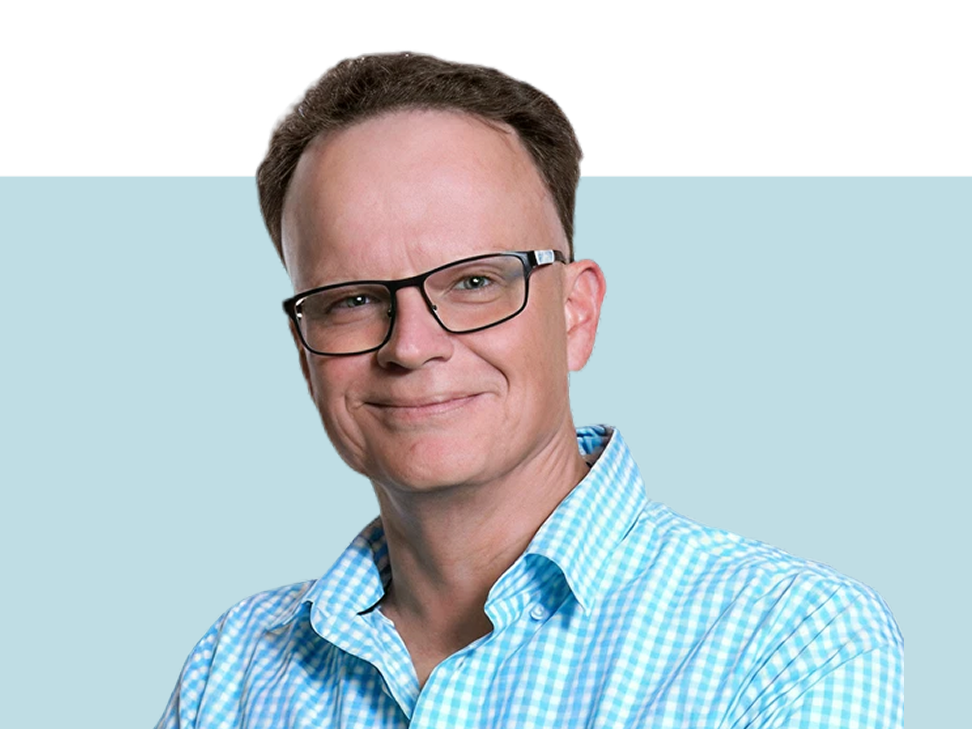
Mark Bishop, Deputy Chairperson of the Hospital Association of South Africa (HASA) and Chief Commercial Officer at Lenmed Health Group, is a prominent voice in South Africa’s private healthcare sector. With more than three decades of experience, he brings deep insight into hospital management, healthcare systems and patient-centred care. Known for his strategic leadership and operational expertise, Bishop has played a key role in driving sustainable growth and innovation within Lenmed and the broader healthcare industry.
In this Q&A, Mark shares his perspectives on HASA’s role, sector priorities and the future of healthcare in South Africa.
Q: As HASA Deputy Chairperson, what do you see as the organisation’s core contribution to strengthening South Africa’s health system?
A: The private hospital sector plays a vital role by providing essential facilities and capacity for healthcare professionals to deliver quality care. Over the past four decades, private hospitals have expanded bed capacity while public sector capacity has not kept pace with population growth. This helps meet rising demand and relieves pressure on an already overburdened public system. All industry players, providers and funders, will need to consider the best collaborative approach, and the impact this would have for all and not just concentrate on the impact on their own organisations.
Q: What are HASA’s priorities for long-term sustainability of the healthcare sector?
A: Sustainability depends on affordability across both public and private healthcare. Cost drivers are the same, staffing, infrastructure and medical equipment. Improving the utilisation of limited resources across the system is critical to meeting growing healthcare needs.
Q: How do you view the current medical schemes landscape?
A: Medical schemes operate in a challenging environment characterised by stagnant membership, an ageing population, increasing chronic disease and rising costs driven by advances in medical technology. This is a consequence of a raft of incomplete reforms over the years that together have placed a heavy burden on medical scheme members. Rectifying this could take considerable expense off them.
Q: What reforms could improve affordability while maintaining quality?
A: Increasing medical scheme membership would reduce unit costs. Mandatory medical scheme covers for employed individuals, as recommended by, would expand access to care, reduces pressure on public hospitals and support progress towards universal healthcare. This would need to be done with changes to the reimbursement processes for private care, reducing the impact of fee for service and aligning with quality improvements.
Q: Your career spans 30+ years in private healthcare. What have been the most significant shifts?
Over the years, we have seen patients become more informed about their healthcare needs, medical scheme requirements have evolved and the private healthcare landscape change significantly through consolidation in medical aids.
Q: Where do you see the greatest opportunities for collaboration?
A: The private sector has spare capacity that could be used to treat publicly funded patients. Public-private partnerships, shared infrastructure and co-located facilities offer opportunities to reduce waiting times, lower costs and improve access to care. The caution, is that this needs to align with a national strategy to increase the rate at which nurses are trained, the reality is that both public and private sectors struggle to do the limited professional nurse resources.
Q: What motivates you about your role at Lenmed?
A: Lenmed’s vision of building healthier, more prosperous communities resonates with me. Our hospitals maintain a strong community focus, rooted in the founding of Lenmed Ahmed Kathrada Private Hospital over 40 years ago. Private healthcare is at a tipping point and collaboration across the sector will be essential to grow access and create a sustainable, high-quality healthcare system.
