Author: ModernMedia

‘Exhalation’ System Improves Symptoms for Chronic Sinusitis

Photo by Brittany Colette on Unsplash

An exhalation delivery system that uses a patient’s own breath to carry the anti-inflammatory compound fluticasone (EDS-FLU) directly to the sinuses reduced chronic sinusitis symptoms as well as aggravations and infections associated with chronic sinus inflammation by more than 50%, researchers from the Perelman School of Medicine at the University of Pennsylvania reported.

The two randomised, international clinical trials (NCT03781804 and NCT03960580), published in The Journal of Allergy and Clinical Immunology: In Practice, compared EDS-FLU to a placebo in more than 500 adults with chronic rhinosinusitis with or without nasal polyps. Patients used either EDS-FLU or a placebo twice daily for 24 weeks.

EDS-FLU works through a patient exhaling into the device to send the medication deep into the far reaches of their sinus cavities, where the topical medication is most effective. Sinus symptom scores and CT scan results were significantly improved vs placebo.

Symptoms of nasal congestion, nasal discharge, facial pain/pressure, and loss of smell improved dramatically with EDS-FLU compared to placebo, as measured by the sinonasal outcome test-22, a standardized scoring measure for sinonasal symptoms.

“Chronic sinusitis affects as much of 10 percent of the United States population, and can make breathing uncomfortable and negatively impact a person’s daily life,” said lead author James N. Palmer, MD, professor of otorhinolaryngology and director of Rhinology at Penn Medicine.

“These findings provide strong evidence for an effective, non-invasive treatment option for people who continue to experience symptoms after over-the-counter medications have failed.”

Millions of Americans experience the symptoms of chronic sinus infections and inflammation, a largely inflammatory condition that causes nasal congestion, sinus pressure, and pain, when the sinus membranes are inflamed for long periods of time.

Although over-the-counter nasal sprays offer marginal relief, no FDA-approved medication exists for the most common form of the condition, chronic rhinosinusitis without nasal polyps, known as “chronic sinusitis.”

While some nasal sprays may offer some symptom relief, patients who were using a standard-delivery nasal spray before study enrollment still reported similar improvements in symptoms compared to others in the study.

These are the first placebo-controlled clinical trials to show that a medication reduces subjective symptoms and objective measures of sinus disease for patients with chronic sinusitis, both with and without polyps.

Currently, patients whose symptoms are not resolved by over-the-counter nasal sprays or other medications, have limited options for relief, including antibiotics, surgery, or in the case of nasal polyps, lifelong biologic therapies.

EDS-FLU was determined to be as safe as standard over the counter nasal sprays.

Source: University of Pennsylvania School of Medicine

Visions of Nonphysical World are Common Among Cognitively Healthy American Indians

Photo by Bruce Christianson on Unsplash

Visual hallucinations are common among people with Lewy body dementia and other types of dementia. Identifying visual hallucinations is an important component of a wide variety of medical and psychiatric diagnoses and treatments, but without cultural context, some patients’ symptoms can be misinterpreted or misdiagnosed.

There is little in medical literature about normal spiritual experiences in American Indian participants in the context of a neurocognitive evaluation. University of Minnesota Medical School researchers sought to understand how the culture and spirituality of the American Indian Ojibwe tribe affect a doctor’s assessment of normal aging.

Publishing in JAMA Network Open, the research team found that visions of the nonphysical world are common among cognitively healthy Ojibwe individuals and can represent normal spiritual experiences. 

“Consideration of a patient’s cultural background and belief system can help avert erroneous disqualification for disease-modifying therapy, exclusion from clinical trials and all the negative ramifications associated with a misdiagnosis of psychiatric disease,” said William Mantyh, MD, an assistant professor at the University of Minnesota Medical School and  behavioural neurologist with M Health Fairview.

In partnership with an Ojibwe Tribal Nation in Minnesota, the study recruited 33 cognitively healthy tribal elders aged 55 years or older. The research found 48% of participants reported frequent transient visions of the nonphysical world that generally were benevolent and involved spiritual beings and/or ancestors. 

According to the research team, clinicians would benefit from careful consideration of cultural or spiritual context to avoid misdiagnosis of neuropsychiatric disease. 

“Today’s environment of infrequent or insufficiently short cognitive evaluations – an average 16-minute face-to-face visit with a physician and increasing use of pre-visit symptom checklists increase the risk of falsely attributing a spiritual experience to a hallucination,” said Dr Mantyh. 

Dr Mantyh and his research team’s overarching goal is to ensure accurate diagnosis of neurodegenerative disease in American Indian communities. To reach this goal, the research team is including American Indian participants in the development of a new Alzheimer’s disease blood test. So far, more than 250 participants have been included. These new Alzheimer’s disease blood tests, up to 95% accurate, directly detect the proteins related to Alzheimer’s disease in the blood, but they also look at a patient’s APOE ε4 gene. APOE ε4 is the most significant genetic risk factor for Alzheimer’s disease, but its effect on Alzheimer’s disease depends on a patient’s ancestry. 

Source: University of Minnesota

Can Digital Technology Improve Accessibility to Healthcare in SA?

Technology is reshaping and closing the gap between patients, healthcare providers, and the healthcare system. By embracing this digital shift, South Africa’s healthcare sector can benefit both now and in the long term, resulting in a healthier and more prosperous society, writes Bada Pharasi, Chief Executive Officer of The Innovative Pharmaceutical Association South Africa (IPASA).

As technologies such as Artificial Intelligence (AI) and big data disrupt multiple industries, it has proven its worth in simplifying, analysing and speeding up processes, and the healthcare sector is no different. 

Technology in the sector has come a long way since the inception of the stethoscope and X-rays. Today, it is becoming the cornerstone of modern healthcare in developed countries across the globe and is growing at an unprecedented rate. So much so that studies suggest that while the global digital health market was valued at over US$330 billion in 2022, this number is expected to skyrocket to a staggering US$650 billion by 20251.  

While the likes of the United States and the United Kingdom lead the charge in the adoption of digital health, South Africa is quickly growing its share of the pie as well. Insights suggest that in South Africa revenue in the digital health market is projected to reach US$831.20 million this year. Moreover, it is envisioned to grow by an annual growth rate of as much as 7.57%, resulting in a projected market volume of US$1,113.00 million by 20282

From revolutionising patient access to cutting-edge medicine and AI-driven diagnostics tools to virtual consultations with healthcare specialists and genomic breakthroughs, the capabilities of digital health technologies are far-reaching.

The advent of technology such as AI and big data brings with it the capacity to interpret analytics and enhance patient care through faster diagnosis than was ever thought possible. Google’s DeepMind AI system, for example, recognises eye diseases with a correct diagnosis of up to 94.5%, while teledermatology companies have developed apps that utilise smartphone and computer cameras to aid patients in finding out the cause of lesions or certain conditions3.  

Moreover, technologies such as the Phillips Lumify Portable Ultrasound allow for an examination anywhere, be it a refugee camp or an accident scene, while IBM Watson has leveraged the power of AI to accelerate the early detection of oncological diseases and analyse data to compile treatment programmes for those with cancer3

It is a dynamic realm that enables better collaboration around patient-centred care, and one that promises a future where healthcare can be delivered to patients quickly and more effectively than ever before.

This is particularly relevant in the South African context, where as many as 45 million people, or 82 out of every 100 South Africans, fall outside of the medical aid cohort4. This is compounded by the fact that nearly 32% of the population resides in rural areas5 where access to healthcare is limited, meaning the adoption of digital healthcare has the potential to address many of the health issues that plague the country and create a healthier and more productive society. 

And the shift has already begun, with provincial departments such as the Free State Health Department heeding the digital call. In late 2023, the department announced its intention to utilise digital innovations to streamline healthcare services and improve patient and healthcare outcomes in the province6

The department’s first project in the province is focused on telemedicine, where patients and specialists consult online from the comfort of their local clinic, regardless of their different locations. The second sees the mountain of paper patient records being done away with in favour of a streamlined, digital system where patient records can be accessible electronically, thus greatly improving efficiency, reducing errors, and ensuring continuity of care6.   

Importantly, amidst the promising potential that these technologies yield, it is critical for healthcare workers to remain steadfast in their digital fluency and technological relevance. 

Gone are the days of specialists only being adept in their professions. Professionals of the future need an understanding of the technologies at their disposal, how they work and how they will better serve their patients. In this way, they will remain at the forefront of the latest innovations specific to their fields of expertise, thus propelling the advancements forward.

In doing so, this ongoing upskilling ensures not only the advancement of their professions but will also benefit patient outcomes for decades to come. 

References:

1. Digital health – Statistics & Facts [Internet]. Statista. [cited 2024 Jan 16]. Available from: https://www.statista.com/topics/2409/digital-health/

2. Digital Health – South Africa [Internet]. Statista. [cited 2024 Jan 16]. Available from: https://www.statista.com/outlook/hmo/digital-health/south-africa

3. Digital healthcare: the evolution of better medicine [Internet]. [cited 2024 Jan 16]. Available from: https://www.discovery.co.za/

4. [No title] [Internet]. [cited 2024 Jan 16]. Available from: https://www.statssa.gov.za/?p=10548#

5. South Africa Rural population, percent – data, chart [Internet]. TheGlobalEconomy.com. [cited 2024 Jan 16]. Available from: https://www.theglobaleconomy.com/South-Africa/rural_population_percent/

6. Sompane M. FS Health goes digital to improve services [Internet]. Health-e News. 2023 [cited 2024 Jan 16]. Available from: https://health-e.org.za/2023/12/19/fs-health-goes-digital-to-improve-services

In Vitro Experiment Explains Why Humans Have Full Colour Vision and Dogs Don’t

Photo by Victor Freitas on Pexels

With human retinas grown in a petri dish, researchers discovered how retinoic acid, a metabolite of vitamin A, generates the specialised cells that enable people to see millions of colours, an ability that dogs, cats, and most other mammals do not have.

“These retinal organoids allowed us for the first time to study this very human-specific trait,” said author Robert Johnston, an associate professor of biology. “It’s a huge question about what makes us human, what makes us different.”

The findings, published in PLOS Biology, increase understanding of colour blindness, age-related vision loss, and other diseases linked to photoreceptor cells. They also demonstrate how genes instruct the human retina to make specific colour-sensing cells, a process scientists thought was controlled by thyroid hormones.

By tweaking the cellular properties of the organoids, the research team found that a vitamin A1 metabolite, retinoic acid, determines whether a cone will specialise in sensing red or green light.

Only humans with normal vision and closely related primates develop the red sensor.

For decades, it was that thought red cones formed through a coin toss mechanism where the cells haphazardly commit to sensing green or red wavelengths – and research from Johnston’s team recently hinted that the process could be controlled by thyroid hormone levels.

Instead, the new research suggests red cones materialise through a specific sequence of events orchestrated by retinoic acid within the eye.

The team found that high levels of retinoic acid in early development of the organoids correlated with higher ratios of green cones. Similarly, low levels of the acid changed the retina’s genetic instructions and generated red cones later in development.

“There still might be some randomness to it, but our big finding is that you make retinoic acid early in development,” Johnston said.

“This timing really matters for learning and understanding how these cone cells are made.”

Green and red cone cells are remarkably similar except for a protein called opsin, which detects light and tells the brain what colors people see.

Different opsins determine whether a cone will become a green or a red sensor, though the genes of each sensor remain 96% identical.

With a breakthrough technique that spotted those subtle genetic differences in the organoids, the team tracked cone ratio changes over 200 days.

“Because we can control in organoids the population of green and red cells, we can kind of push the pool to be more green or more red,” said author Sarah Hadyniak, who conducted the research as a doctoral student in Johnston’s lab and is now at Duke University.

“That has implications for figuring out exactly how retinoic acid is acting on genes.”

The researchers also mapped the widely varying ratios of these cells in the retinas of 700 adults.

Seeing how the green and red cone proportions changed in humans was one of the most surprising findings of the new research, Hadyniak said. Scientists still don’t fully understand how the ratio of green and red cones can vary so greatly without affecting someone’s vision.

If these types of cells determined the length of a human arm, the different ratios would produce “amazingly different” arm lengths, Johnston said.

To build understanding of diseases like macular degeneration, which causes loss of light-sensing cells near the center of the retina, the researchers are working with other Johns Hopkins labs.

The goal is to deepen their understanding of how cones and other cells link to the nervous system.

“The future hope is to help people with these vision problems,” Johnston said.

“It’s going to be a little while before that happens, but just knowing that we can make these different cell types is very, very promising.”

Source: Johns Hopkins University

In Type 2 Diabetics, Toxic Lipids and a Beneficial One Surge at Certain Times

Credit: Cell Reports Medicine (2023).

While sugar is most frequently blamed in the development of type 2 diabetes, a better understanding of the role of fats is also essential. By analysing the blood profiles of dozens of people suffering from diabetes or pre-diabetes, or who have had their pancreas partially removed, researchers at the University of Geneva (UNIGE) and Geneva University Hospitals (HUG) have made two major discoveries.

Firstly, the lipid composition of blood and adipose tissues fluctuates during the day, and is altered in a day-time dependent manner in diabetics, who have higher levels of toxic lipids. In addition, one type of lipid, lysoPI, is capable of boosting insulin secretion when the beta cells that normally produce it fail. These results, published in the journals Cell Reports Medicine and Diabetes, may have important implications for the treatment of diabetic patients.

The role of lipids in the physiological and pathological processes of human metabolism is gradually becoming clearer, particularly in type 2 diabetes, one of the most widespread serious metabolic disorders. Thanks to cutting-edge tools, in particular mass spectrometry, researchers are now able to simultaneously measure the levels of several hundred different types of lipids, each with its own specific characteristics and beneficial or harmful effects on our metabolism.

‘‘Identifying which lipids are most present in type 2 diabetics could provide a basis for a wide range of interventions: early detection, prevention, potential therapeutic targets or personalised recommendations – the possibilities are immense,’’ says Charna Dibner, a professor in the Department of Surgery and a specialist in circadian rhythms in metabolic disorders, . ‘‘This is why we carried out a detailed analysis of the blood profiles of patients recruited in four European countries and confirmed some of our results on a mouse model of the disease.’’

Dibner led the studies along with Pierre Maechler, a professor in the Department of Cell Physiology and Metabolism, at the UNIGE Faculty of Medicine, and members of the Diabetes Faculty Centre.

Chronobiology to better identify diabetes

The team carried out a ‘‘lipidomic’’ analysis of two groups of patients in order to establish the profile, over a 24-hour cycle, of multiple lipids present in the blood and adipose tissues. ‘‘The differences between the lipid profiles of type 2 diabetics and people without diabetes are particularly pronounced in the early morning, when there is an increase in certain toxic lipids,’’ explains Dibner. ‘‘Why? We don’t know yet. But this could be a marker of the severity of diabetes and paves the way for personalised care according to each patient’s specific chronotype.”

And implications go beyond diabetes: if samples are taken at very different times of the day, the results can be distorted and give contradictory results. ‘‘It’s the same thing in the clinic: an examination carried out in the morning or evening, or a treatment taken at different times, can have an impact on diagnosis and even on the effectiveness of treatments.’’

A crutch for beta cells

Charna Dibner and Pierre Maechler extended their lipidomic analyses to include not only people with type 2 diabetes but also a mouse model of pre-diabetes and patients who had lost around half their insulin-producing beta cells after a surgery. ‘‘We discovered that a type of lipid, lysoPIs, increases when there is a sharp decrease in functional β cells, even before the onset of clinical symptoms of diabetes.’’

The scientists then administered lysoPI to diabetic mice and observed an increase in insulin production. ‘‘The same phenomenon occurred in vitro, on pancreatic cells from diabetic patients,’’ adds Pierre Maechler. ‘‘The lysoPIs therefore have the capacity to reinforce insulin secretion by acting as a crutch when the number of beta cells decreases or when these cells malfunction. Yet, certain foods, such as legumes, naturally contain lysoPI precursors.’’

By bringing to light the unsuspected role of lysoPIs, researchers will be able to explore new avenues opened by their discoveries. The development of dietary supplements or even molecules specific to lysoPI receptors could be an interesting strategy for controlling diabetes, as could taking better account of the chronobiological profiles of patients. Diabetes is a complex disease that calls for much more personalised management than is currently the case.

Source: University of Geneva

Mobile Phone Use Linked to Lower Sperm Count and Concentration

Photo by Ketut Subiyanto on Pexels

While various environmental and lifestyle factors have been proposed to explain the decline in semen quality observed over the last fifty years, the role of mobile phones has yet to be demonstrated. In a major cross-sectional study, researchers in Switzerland showed that frequent use of mobile phones is associated with a lower sperm concentration and total sperm count, although causation cannot be established. No association was seen between mobile phone use and low sperm motility and morphology. Read the results in Fertility & Sterility.

Semen quality is determined by the assessment of parameters such as sperm concentration, total sperm count, sperm motility and sperm morphology. According to the values established by the World Health Organization (WHO), a man will most probably take more than one year to conceive a child if his sperm concentration is below 15 million/mL, with the odds of pregnancy will decrease if the sperm concentration is below 40 million/mL.

Many studies have shown that semen quality has decreased over the last fifty years. Sperm count is reported to have dropped from an average of 99 million sperm/mL to 47 million/mL. This phenomenon is thought to be the result of a combination of environmental factors (endocrine disruptors, pesticides, radiation) and lifestyle habits (diet, alcohol, stress, smoking).

Assessing the impact of mobile phones

Is the mobile phone also to blame? After conducting the first national study (2019) on the semen quality of young men in Switzerland, a team from the University of Geneva (UNIGE) has published the largest cross-sectional study on this topic. It is based on data from 2886 Swiss men aged 18 to 22, recruited between 2005 and 2018 at six military conscription centres.

In collaboration with the Swiss Tropical and Public Health Institute (Swiss TPH), scientists studied the association between semen parameters of 2886 men and their use of mobile phones. ‘‘Men completed a detailed questionnaire related to their lifestyle habits, their general health status and more specifically the frequency at which they used their phones, as well as where they placed it when  not in use,’’ explains Serge Nef, full professor in the Department of Genetic Medicine and Development at the UNIGE Faculty of Medicine and at the SCAHT – Swiss Centre for Applied Human Toxicology, who co-directed the study.

These data revealed an association between frequent use and lower sperm concentration. The median sperm concentration was significantly higher in the group of men who did not use their phone more than once a week (56.5 million/mL) compared with men who used their phone more than 20 times a day (44.5 million/mL). This difference corresponds to a 21% decrease in sperm concentration for frequent users (> 20 times/day) compared to rare users (< once/day).

Is 4G less harmful than 2G?

This inverse association was found to be more pronounced in the first study period (2005-2007) and gradually decreased with time (2008-2011 and 2012-2018). ‘‘This trend corresponds to the transition from 2G to 3G, and then from 3G to 4G, that has led to a reduction in the transmitting power of phones,’’ explains Martin RÖÖsli, associate professor at Swiss TPH.

‘‘Previous studies evaluating the relationship between the use of mobile phones and semen quality were performed on a relatively small number of individuals, rarely considering lifestyle information, and have been subject to selection bias, as they were recruited in fertility clinics. This has led to inconclusive results,’’ explains Rita Rahban, senior researcher and teaching assistant in the Department of Genetic Medicine and Development in the Faculty of Medicine at the UNIGE and at the SCAHT, first author and co-leader of the study.

It doesn’t matter where you put your phone

Data analysis also seems to show that the position of the phone – for example, in a trouser pocket – was not associated with lower semen parameters. ‘‘However, the number of people in this cohort indicating that they did not carry their phone close to their body was too small to draw a really robust conclusion on this specific point,’’ adds Rita Rahban.

This study, like most epidemiologic studies investigating the effects of mobile phone use on semen quality, relied on self-reported data, which is a limitation. By doing so, the frequency of use reported by the individual was assumed to be an accurate estimate of exposure to electromagnetic radiation. To address this limitation, a study funded by the Federal Office for the Environment (FOEN) was launched in 2023. Its aim is to directly and accurately measure exposure to electromagnetic waves, as well as the types of use – calls, web navigation, sending messages – and to assess their impact on male reproductive health and fertility potential. The data will be collected using an application that each future participant will download to their mobile phone. The research team is actively recruiting participants for this study.

The aim is also to better describe the mechanism of action behind these observations. ‘‘Do the microwaves emitted by mobile phones have a direct or indirect effect? Do they cause a significant increase in temperature in the testes? Do they affect the hormonal regulation of sperm production? This all remains to be discovered,’’ concludes Rita Rahban.

Source: University of Geneva

Removing Largest Serving Sizes of Wine Decreases Alcohol Consumption, Study Finds

When pubs, bars and restaurants in England removed their largest size of wine sold by the glass, consumers drank less alcohol

Photo from Pixabay CC0

Alcohol consumption is the fifth largest contributor to premature death and disease globally. Many cues in physical and economic environments influence alcohol consumption across populations. One proposed intervention to excessive alcohol consumption is reducing the size of servings of alcoholic drinks sold by the glass, but there has been no real-world evidence for the effectiveness of this.

In the new study, researchers asked 21 licensed premises in England to remove from their menus their largest serving of wine by the glass – usually 250mL – for four weeks. The researchers then tracked the total volume of wine, beer and cider sold by each establishment.

Over the course of the four weeks, the total volume of wine sold by the licensed premises decreased by 7.6%, and there was no overall increase in beer and cider sales. There was an increase in the sales of smaller servings of wine by the glass – generally 125mL and 175mL – but no impact on sales of wine by the bottle or beer or cider sales.

“This suggests that this is a promising intervention for decreasing alcohol consumption across populations, which merits consideration as part of alcohol licensing regulations,” the authors say.

Marteau adds, “Removing the largest serving size of wine by the glass in 21 licensed premises reduced the volume of wine sold, in keeping with the wealth of research showing smaller serving sizes reduce how much we eat. This could become a novel intervention to improve population health by reducing how much we drink.”

Reduced Blood Lead Levels Tied to Lower Blood Pressure

Credit: Pixabay CC0

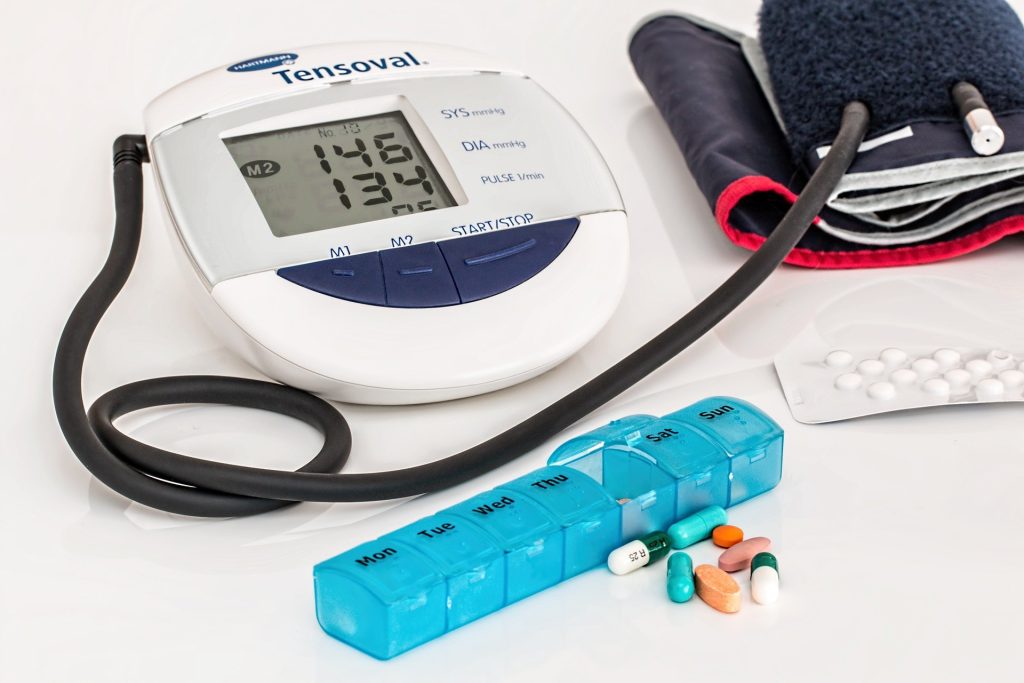
Researchers found that small declines in blood lead levels were associated with long-term cardiovascular health improvements in American Indian adults. Participants who had the greatest reductions in blood lead levels saw their systolic blood pressure fall by about 7mmHg, comparable to the effects of antihypertensives.

The findings as reported from researchers at Columbia University Mailman School of Public Health and NIEHS and NHLBI are published in the Journal of the American Heart Association.

“This is a huge win for public health,” said senior author Anne E. Nigra, PhD, assistant professor of environmental health sciences at Columbia Mailman School of Public Health.

“We saw that even small decreases in a person’s blood lead levels can have meaningful health outcomes.”

Nigra and her co- authors, including Wil Lieberman-Cribbin, MPH, also at Columbia Mailman School, credit these improvements in large part to public health and policy changes that have occurred over the last few decades.

In addition to seeing improvements in systolic blood pressure, the investigators found that reductions in blood lead levels were associated with reductions in a marker associated with hypertrophic cardiomyopathy and heart failure.

To conduct this research, investigators partnered with 285 American Indian adults through an extension of the Strong Heart Study, the largest study following cardiovascular health outcomes and risk factors among American Indian adults.

The researchers looked at blood lead levels and blood pressure readings over time in participants living in one of four tribal communities. Lead was first measured in blood collected during the 1997–1999 study visit and again in blood collected during a follow-up visit between 2006–2009.

During this time, participants’ blood pressure was taken and they participated in medical exams, including echocardiographs to assess their heart’s structure and function. Multiple factors were controlled for, including social variables, cardiovascular disease risks, and medical history.

At the start of the study, the average blood lead level was 2.04µg/dL. Throughout the study, the average blood lead level fell by 0.67µg/dL, or 33%.

The most significant changes, categorized by participants with average starting blood lead levels of 3.21 µg/dL and who experienced reductions of about 1.78 µg/dL, or 55%, were linked to a 7mmHg reduction in systolic blood pressure.

“This is a sign that whatever is happening in these communities to reduce blood lead levels is working,” said Mona Puggal, MPH, an epidemiologist in the Division of Cardiovascular Sciences at the National Heart, Lung, and Blood Institute (NHLBI). “The reductions in blood pressure are also comparable to improvements you would see with lifestyle changes, such as getting 30 minutes of daily exercise, reducing salt intake, or losing weight.”

The reductions in blood lead levels observed in the study are similar to those seen in the general US population following policies and efforts implemented within the past 50 years to reduce lead exposure through paint, gasoline, water, plumbing, and canned items.

Source: Columbia University’s Mailman School of Public Health

.

Amnesia from Head Injury Reversed in Early Mouse Study

Photo by Olga Guryanova on Unsplash

A mouse-based study to investigate memory loss in people who experience repeated head impacts, such as athletes, suggests the condition could potentially be reversed. The research in mice finds that amnesia and poor memory following head injury is due to inadequate reactivation of neurons involved in forming memories.

The study, conducted by researchers at Georgetown University Medical Center in collaboration with Trinity College Dublin, Ireland, is reported in the Journal of Neuroscience.

Importantly for diagnostic and treatment purposes, the researchers found that the memory loss attributed to head injury was not a permanent pathological event driven by a neurodegenerative disease.

Indeed, the researchers could reverse the amnesia to allow the mice to recall the lost memory, potentially allowing cognitive impairment caused by head impact to be clinically reversed.

The Georgetown investigators had previously found that the brain adapts to repeated head impacts by changing the way the synapses in the brain operate, which can cause trouble in memory storage and retrieval.

In their new study, investigators were able to trigger mice to remember memories that had been forgotten due to head impacts.

“Our research gives us hope that we can design treatments to return the head-impact brain to its normal condition and recover cognitive function in humans that have poor memory caused by repeated head impacts,” says the study’s senior investigator, Mark Burns, PhD, a professor and Vice-Chair in Georgetown’s Department of Neuroscience and director of the Laboratory for Brain Injury and Dementia.

In the new study, the scientists gave two groups of mice a new memory by training them in a test they had never seen before. One group was exposed to a high frequency of mild head impacts for one week (similar to contact sport exposure in people) and one group were controls that didn’t receive the impacts. The impacted mice were unable to recall the new memory a week later.

“Most research in this area has been in human brains with chronic traumatic encephalopathy (CTE), which is a degenerative brain disease found in people with a history of repetitive head impact,” said Burns.

“By contrast, our goal was to understand how the brain changes in response to the low-level head impacts that many young football players regularly experience.”

Researchers have found that, on average, college football players receive 21 head impacts per week with defensive ends receiving 41 head impacts per week.

The number of head impacts to mice in this study were designed to mimic a week of exposure for a college football player, and each single head impact by itself was extraordinarily mild.

Using genetically modified mice allowed the researchers to see the neurons involved in learning new memories, and they found that these memory neurons (the “memory engram”) were equally present in both the control mice and the experimental mice.

To understand the physiology underlying these memory changes, study first author Daniel P. Chapman, PhD, said, “We are good at associating memories with places, and that’s because being in a place, or seeing a photo of a place, causes a reactivation of our memory engrams. This is why we examined the engram neurons to look for the specific signature of an activated neuron. When the mice see the room where they first learned the memory, the control mice are able to activate their memory engram, but the head impact mice were not. This is what was causing the amnesia.”

The researchers were able to reverse the amnesia to allow the mice to remember the lost memory using lasers to activate the engram cells.

“We used an invasive technique to reverse memory loss in our mice, and unfortunately this is not translatable to humans,” Burns adds.

“We are currently studying a number of non-invasive techniques to try to communicate to the brain that it is no longer in danger, and to open a window of plasticity that can reset the brain to its former state.”

Source: Georgetown University Medical Center

  1. Daniel P. Chapman, Sarah D. Power, Stefano Vicini, Tomás J. Ryan, Mark P. Burns. Amnesia after repeated head impact is caused by impaired synaptic plasticity in the memory engramThe Journal of Neuroscience, 2024; e1560232024 DOI: 10.1523/JNEUROSCI.1560-23.2024

Scientists may have Found out How Rapid-acting Antidepressants Work

Photo by Marek Piwnicki

Rapid-acting antidepressants, including ketamine, scopolamine and psilocybin, have been found to have immediate and lasting positive effects on mood in patients with major depressive disorder but how these effects arise is unknown. New research led by the University of Bristol and published in Science Translational Medicine explored their neuropsychological effects and found that all three of these drugs can modulate affective biases associated with learning and memory.

Negative affective biases are a core feature of major depressive disorder. Affective biases occur when emotions alter how the brain processes information and negative affective biases are thought to contribute to the development and continuation of depressed mood.

The research team used an affective bias test, based on an associative learning task, to investigate the effects of rapid-acting antidepressants (RAADs) in rats.

They found that all the treatments were able to reduce negative affective biases associated with past experiences but there were additional characteristics of the dissociative anaesthetic, ketamine, and the serotonergic psychedelic, investigational COMP360 psilocybin (Compass Pathways’ proprietary formulation of synthetic psilocybin), which could explain why the effects of a single treatment can be long-lasting.

The findings suggest that these sustained effects are due to adaptive changes in the brain circuits which control affective biases, and these can influence how past experiences are remembered.

The effects at low doses were very specific to affective bias modulation and were localised to the prefrontal cortex of the brain, a region known to play an important role in mood.

Emma Robinson, Professor of Psychopharmacology in the School of Physiology, Pharmacology & Neuroscience at Bristol, and lead author, said: “Using a behavioural task we showed that drugs that are believed to have rapid and sustained benefits in depressed patients, specifically modulate affective biases associated with past experiences, something which we think is really important for understanding why they can improve a patient’s mood so quickly.

“We also found differences in how ketamine, scopolamine and COMP360 psilocybin interact with these neuropsychological mechanisms which may explain why the effects of a single treatment in human patients can be long-lasting, days (ketamine) to months (psilocybin).

“By using an animal model, we have been able to investigate these important interactions with learning and memory processes and neural plasticity and propose a two-stage model that may explain the effects we observe.”

In the task, each animal learnt to associate a specific digging material with a food reward under either treatment or control conditions.

The treatment condition is designed to generate a change in the animal’s affective state and a choice test is used to quantify the affective bias this generates.

Acute treatment with the RAADs ketamine, scopolamine, or psilocybin prevented the retrieval of the negative affective bias induced in this model.

However, the most exciting finding was at 24 hours after treatment when low, but not high, doses of ketamine and psilocybin led to a re-learning effect where the negatively biased memory was retrieved with a more positive affective valence.

Only psilocybin, but not ketamine or scopolamine treatment also positively biased new experiences.

Exploring in more detail the re-learning effects of ketamine in the studies, the researchers found they were protein synthesis-dependent, localised to the medial prefrontal cortex and could be modulated by cue-reactivation, consistent with their predictions of experience-dependent neural plasticity.

The study’s findings propose a neuropsychological mechanism that may explain both the immediate and sustained effects of RAADs, potentially linking their effects on neural plasticity with mood.

Source: University of Bristol